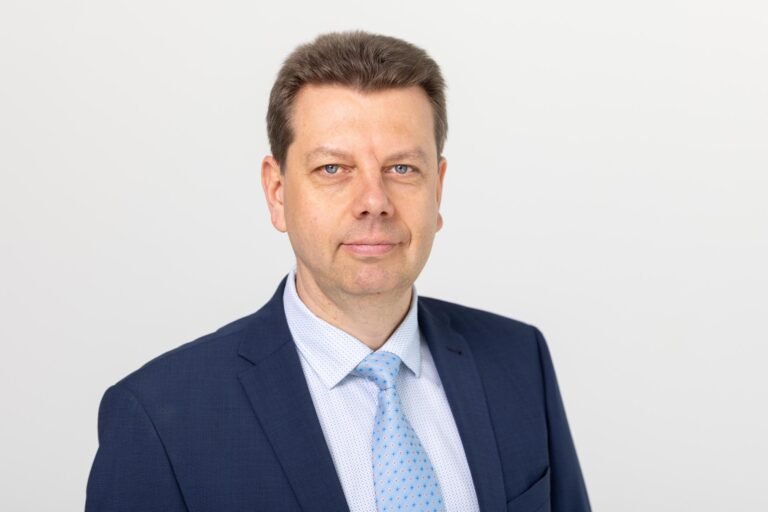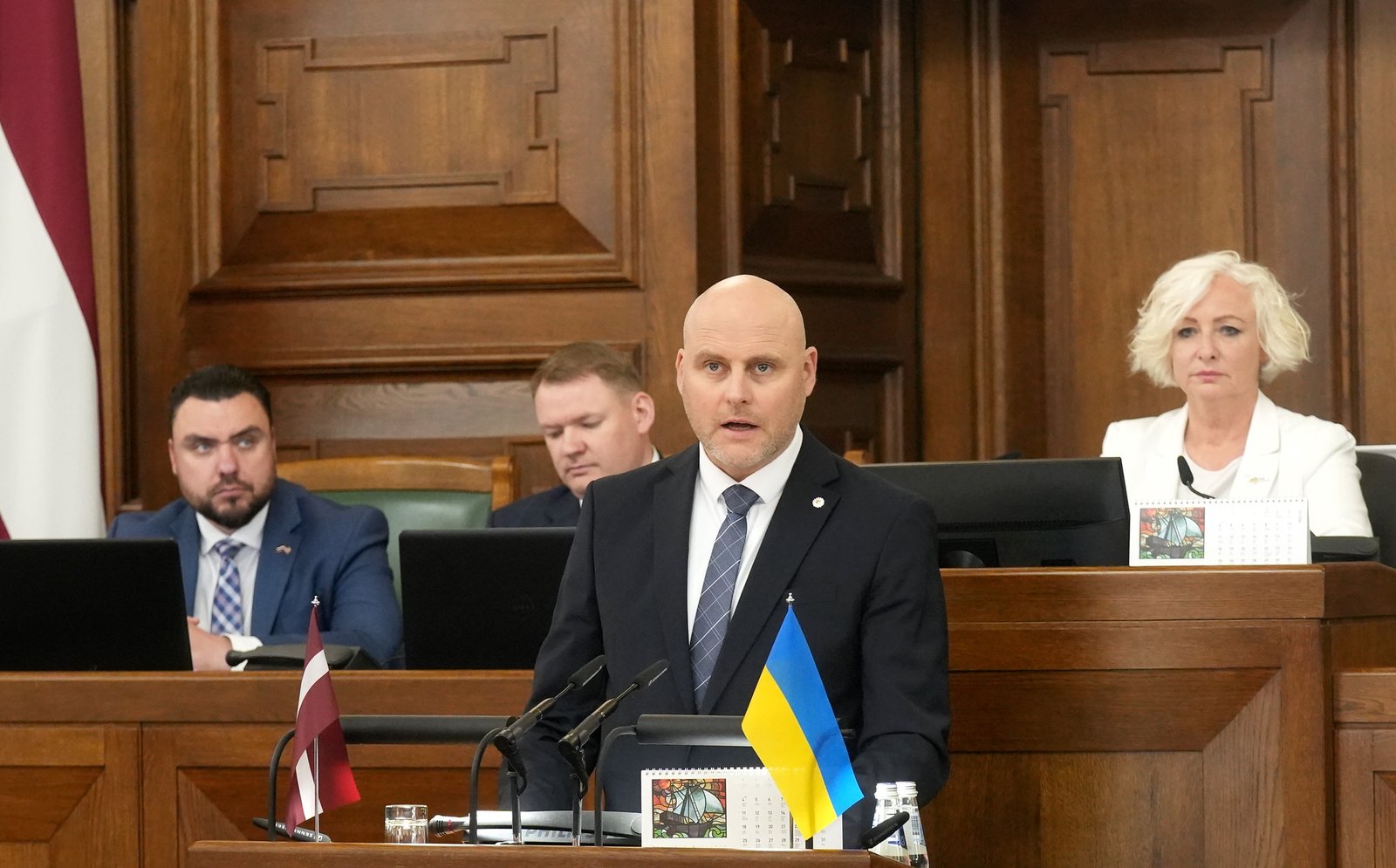
On Thursday, May 28, 2026, the Latvian Parliament approved the country’s new government during an extraordinary sitting, granting confidence to the Cabinet led by Prime Minister Andris Kulbergs.
The new government — Latvia’s 43rd Cabinet of Ministers — includes Prime Minister Andris Kulbergs; Minister of Defence Raivis Melnis; Minister of Foreign Affairs Baiba Braže; Minister of Economics Viktors Valainis; Minister of the Interior Jānis Dombrava; Minister of Finance Māris Kučinskis; Minister of Education and Science Ilze Indriksone; Minister for Climate and Energy Jānis Vitenbergs; Minister of Culture Nauris Puntulis; Minister of Welfare Reinis Uzulnieks; Minister of Transport Rihards Kozlovskis; Minister of Justice Edvards Smiltēns; Minister of Health Hosams Abu Meri; Minister for Smart Administration and Regional Development Edgars Tavars; and Minister of Agriculture Uldis Augulis.
The coalition government is formed by the political parties “United List,” “New Unity,” “National Alliance,” and the “Union of Greens and Farmers.”
The new administration has pledged to focus on priorities that can be achieved during the current parliamentary term, with coalition partners agreeing on a concrete list of strategic objectives. Key priorities include national security — including safeguarding secure elections — combating corruption and cartels, ensuring budget stability and efficient governance, and strengthening Latvia’s economic development and competitiveness. Special attention will also be given to healthcare, welfare, demographic challenges, and other socially significant sectors.
Emphasizing public security and national resilience, the government reaffirmed its full support for defence and internal security institutions, border reinforcement, air defence capabilities, and the strengthening of Latvia’s internal and external security architecture. Defence spending will be increased to 5% of GDP, with targeted investments in Latvia’s domestic military industry and technology development in cooperation with key allies. The Cabinet also plans to continue efforts to expand NATO allied presence in Latvia and assess additional European Union funding opportunities for defence. Continued comprehensive support for Ukraine remains a firm commitment of the new government.
The government declaration establishes direct prime ministerial oversight over nationally significant processes and major strategic projects. This includes direct supervision of election preparations to ensure secure and lawful parliamentary elections. The future implementation model of the “Rail Baltica” project will be developed under the Prime Minister’s direct leadership. Regarding the stabilization of “airBaltic,” recognized as a strategically important company for Latvia’s economy, the government plans to assess the prepared business plan by August and decide on further action scenarios.
Defending the principles of a democratic state governed by the rule of law and preserving judicial independence, the new government has vowed to pursue economic crimes, corruption, cartels, and sanctions violations with the full force of the law.
In the social sphere, the government plans to expand support for families, introduce a basic pension system, and increase healthcare funding. In education, reforms aimed at improving quality will continue, including implementation of the new “Programme in School” financing model and the agreed teacher salary roadmap.
The government also highlighted the importance of strengthening Latvia’s economic security and global competitiveness by supporting Latvian businesses in entering foreign markets, developing strategic economic cooperation proposals with the world’s major economies, and creating a new governance model for state-owned enterprises.
The new administration further pledged to firmly defend Latvia’s interests during negotiations on the European Union’s 2028–2034 multiannual budget, particularly advocating for funding aligned with current geopolitical realities in the areas of security and defence, regional and transport infrastructure development, and agriculture.
Coalition partners have committed to maintaining fiscal responsibility and agreed not to support any budget-related proposals in Parliament or the Cabinet unless unanimous agreement is reached among coalition members. They also pledged not to roll back existing standards in human rights protection, combating violence, gender equality, and legal protections for families.