By dpa correspondents.
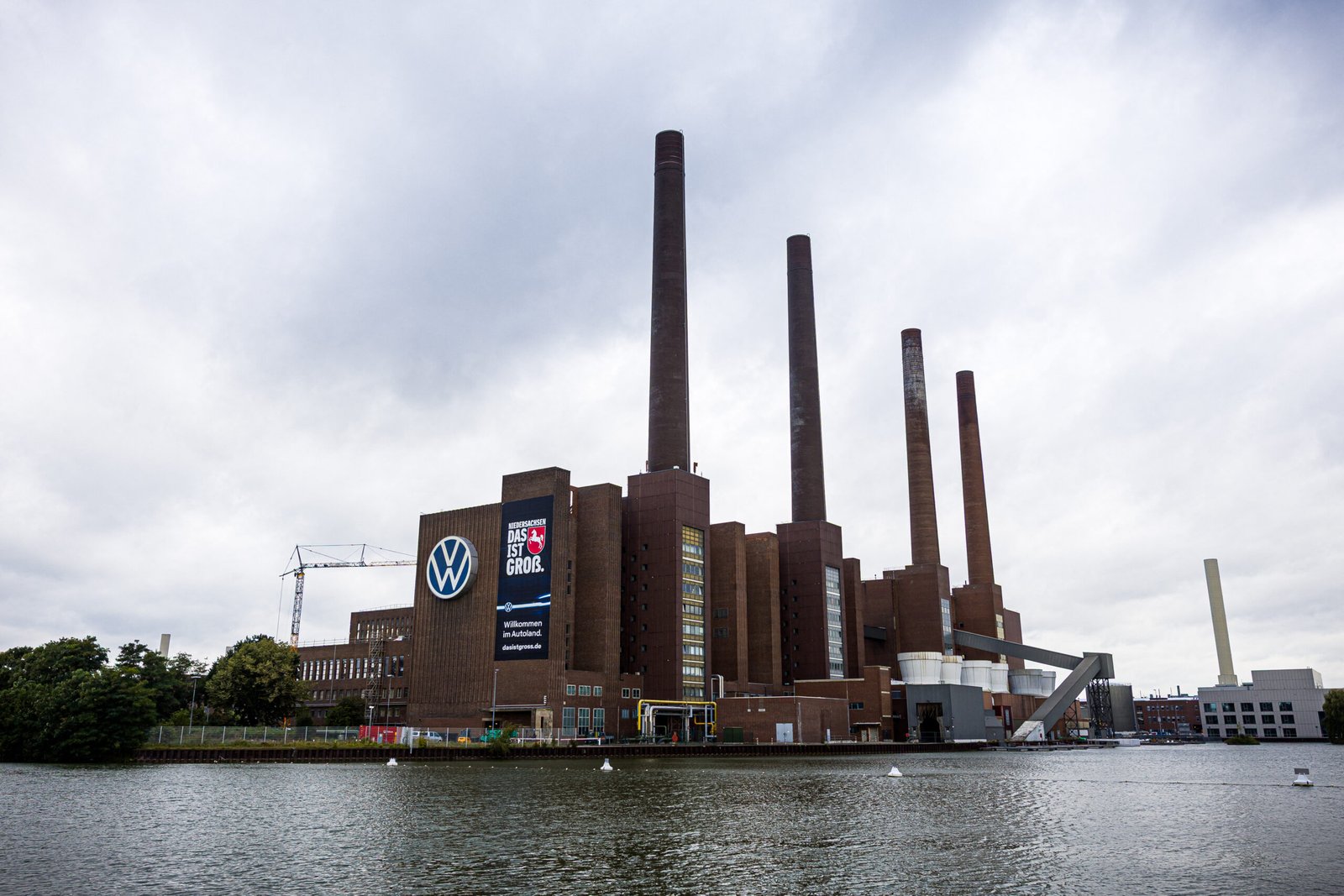
Wolfsburg, Germany (dpa) – The surprise agreement of a comprehensive savings package featuring 50,000 job cuts at Europe’s largest carmaker Volkswagen caused consternation across Germany on Friday, with the future of four major plants still uncertain.
Hanover Mayor Belit Onay said he was “extremely frustrated” by the deal on the company’s “Future Plan 2030,” which was unanimously approved at a meeting of the supervisory board on Thursday evening.
The northern German city is home to one of the four sites, alongside Emden, Zwickau and Neckarsulm, where Volkswagen said it cannot guarantee production beyond 2031, with alternative uses for the plants being assessed.
“Uncertainty remains for staff, and the coming weeks will be difficult,” said Emden Mayor Tim Kruithoff.
Investors were more impressed by the carmaker’s plans: on Germany’s DAX stock exchange, Volkswagen preference shares were up almost 10% on Friday.
The Volkswagen Group – which owns brands such as Audi, Porsche and Škoda – is one of several German carmakers seeking to become more efficient and cost-effective in the face of intense competition from China. The company announced 50,000 job cuts in 2024, meaning the total of lost positions by the end of the decade is now set to reach six figures.
Not all are to be in Germany, however. Olaf Lies, premier of the northern state of Lower Saxony, where Volkswagen is headquartered, said on Friday that only half of the 50,000 cuts would affect Germany. The company employed around 284,000 across the country at the end of 2025.
Chief executive Oliver Blume called the agreement, which received the backing of union representatives and the company’s works council after weeks of speculation about cuts, a “strong signal for the future of the Volkswagen Group.”
German government spokesman Sebastian Hille also praised the deal on Friday.
But questions remain, particularly regarding the future of the four affected sites. Options under discussion include using the plants temporarily for defence production, or manufacturing VW models that until now have only been made in Chinese factories.
Source: dpa.com