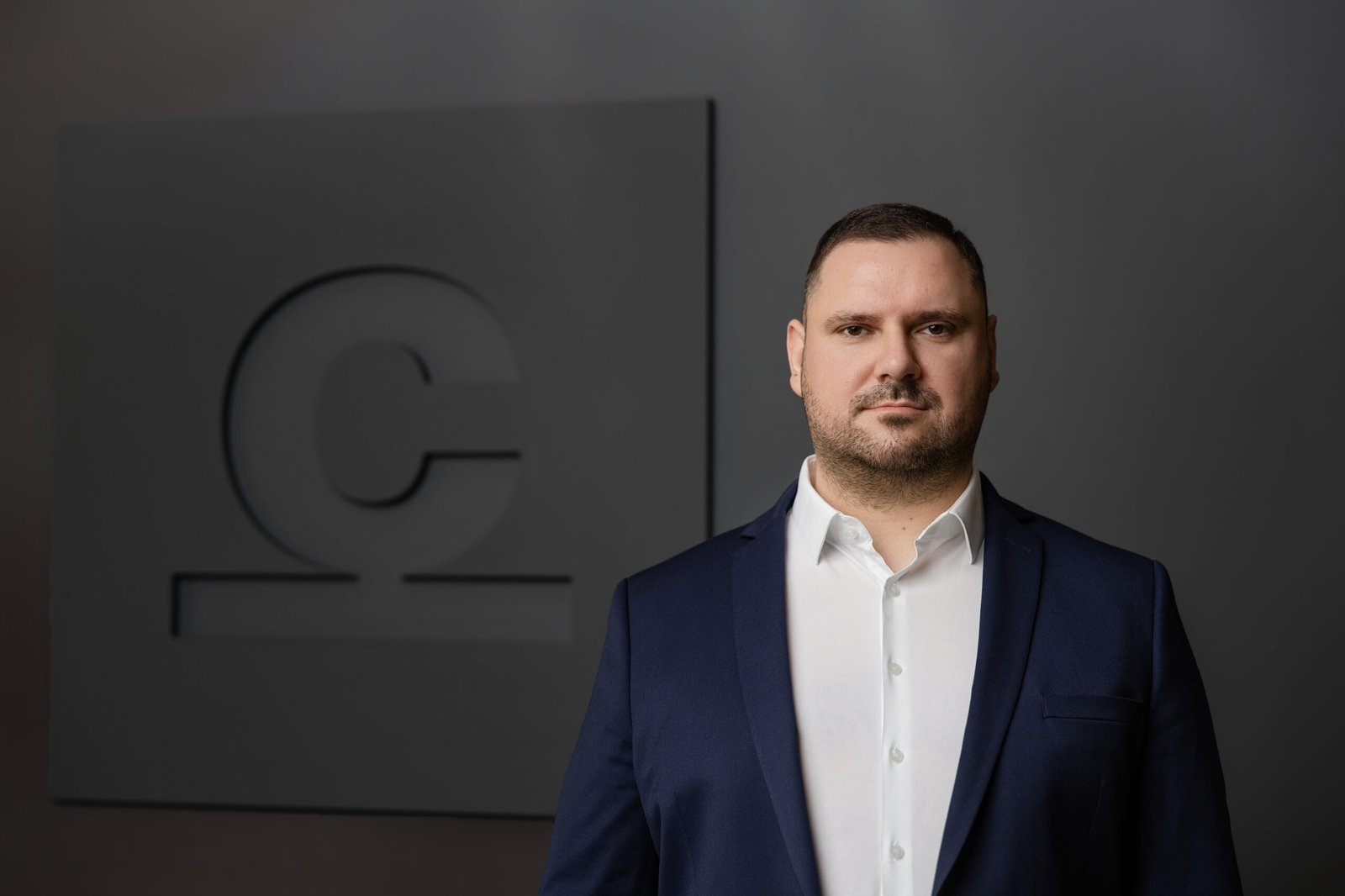
Computer prices rose by an average of 25–30% in the first quarter of 2026, marking the steepest increase in recent years. The current situation in the computer hardware market can be described as unpredictable due to both geopolitical tensions and the availability of IT components, says Jānis Dimsons, Director of Product Development at AS Capital.
Computer Hardware Prices Continue to Climb: €1,000 Becomes €1,400
“The IT industry is accustomed to periodic fluctuations, but the current situation is systemic and atypical, and its development can no longer be predicted using conventional methods,” says J. Dimsons.
Since December 2025, computer prices have increased by an average of 25–30%. The server equipment segment has been hit the hardest, with prices rising by as much as 60%.
The expert cites an example where a client received a quote of €1,000 in December, but by June will have to pay €1,400 for the same equipment.
“In the case of computers, we can plan warehouse stock six months in advance, but server hardware is unique in most cases because configurations are tailored to specific customer needs. Alongside rising costs, delivery times have also increased significantly. Server equipment that could previously be delivered within three weeks now takes two to three months to arrive.”
The Lion’s Share of Resources Goes to Artificial Intelligence
The shortage of IT components is primarily driven by a shift in global priorities — major manufacturers are now prioritizing artificial intelligence (AI) solutions. Industry analysts estimate that this year up to 70% of the world’s memory hardware production will be allocated to AI needs, leaving only a small share for consumer electronics such as laptops and office equipment.
The situation has been further aggravated by a shortage of helium resources used in chip manufacturing. The war in Iran has directly affected Qatar, which supplies roughly one-third of the world’s helium reserves. Supply disruptions have had a serious impact on the entire industry, especially on South Korean manufacturers Samsung Electronics and SK Hynix.
Together, these companies account for around 70% of global memory component supplies and are highly dependent on stable helium imports.
The Situation Remains Unpredictable
So far, there are no indications that market conditions will improve in the near future.
“Everything will depend on factors that no market participant can control — chip production capacity cannot be increased overnight, and the geopolitical situation remains highly volatile,” explains J. Dimsons.
“In my view, market instability will continue throughout the year, and we are still in a price growth phase that is likely to persist at least until the end of the year. Conversations with manufacturer representatives point to the exact same outlook — gradual price increases are expected throughout the remainder of the year. At the moment, the only solution is careful procurement planning and reassessment of needs, taking into account the new pricing reality and significantly longer logistics timelines already at the budgeting stage.”