By Balticnews.com.
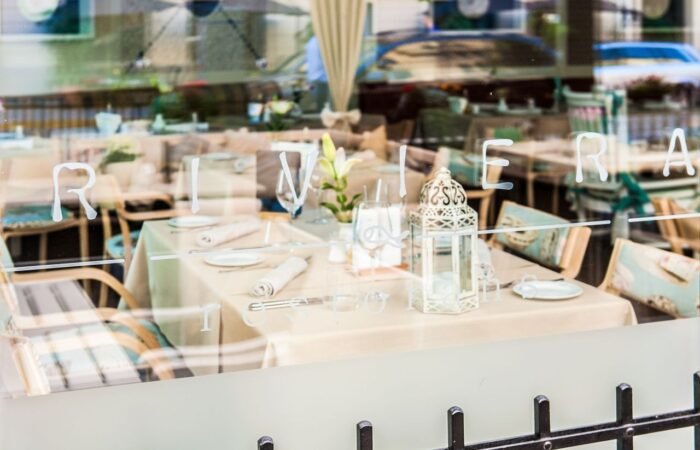
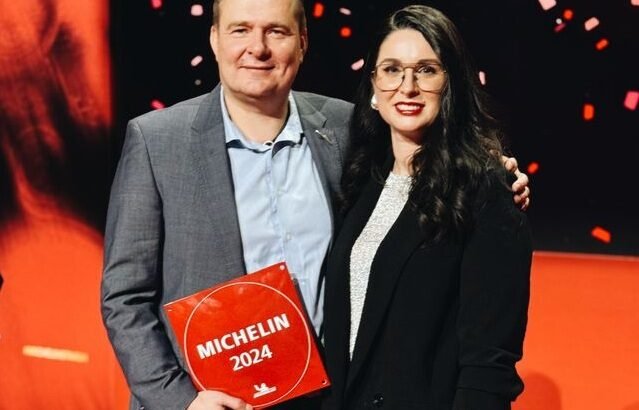
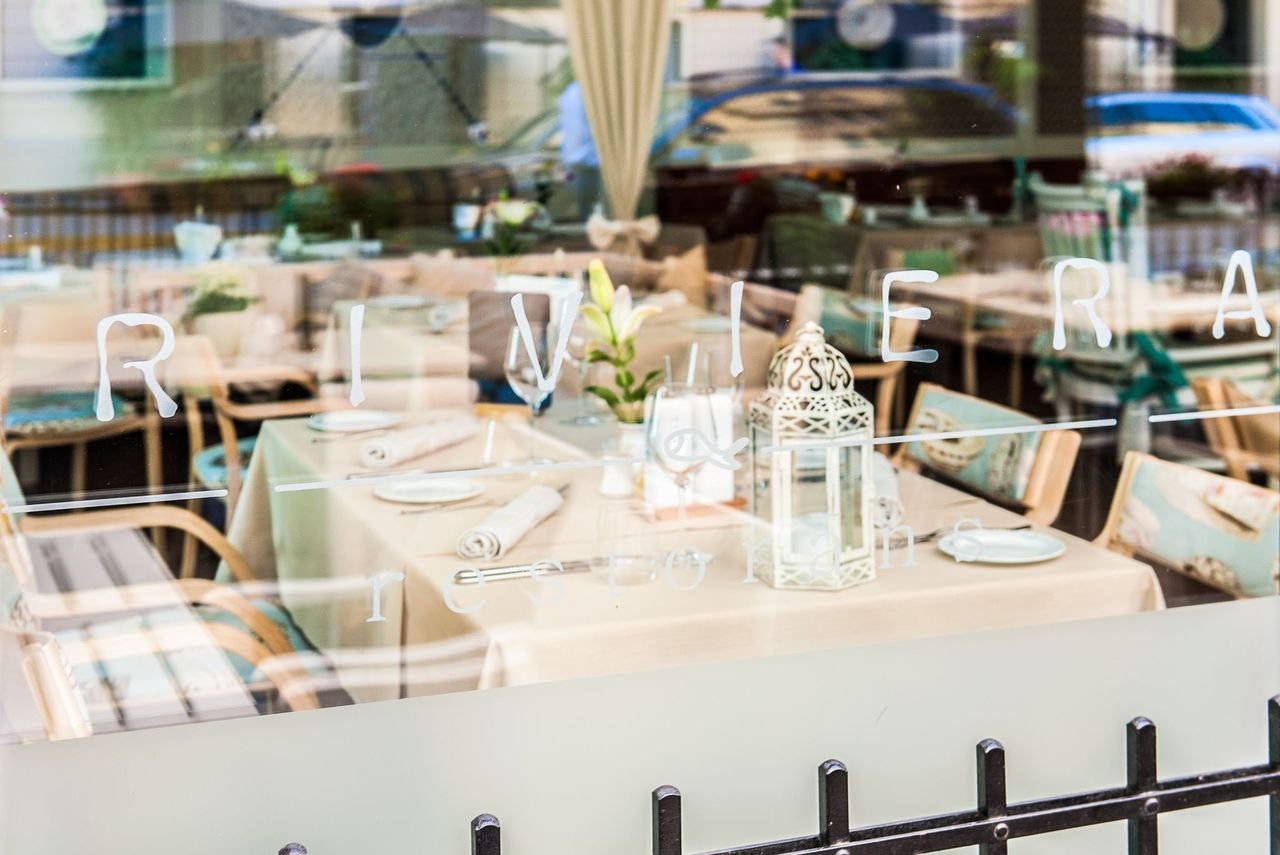
This year marks the 15th anniversary of Riviera, the Mediterranean restaurant that opened its doors in Riga in 2011. Over the years, it has welcomed around one million guests, prepared at least two million dishes, served more than 350,000 oysters and opened at least 180,000 bottles of wine. Riviera is included in the Michelin Guide’s selection of restaurants in Latvia, while the Falstaff Restaurant & Bistro Guide Nordics 2026 has awarded it 92 points out of 100.
We spoke with Riviera co-owner and brand chef Jānis Sokolovskis about how Latvia’s restaurant culture has changed over the past 15 years, why Riviera does not want to chase every new gastronomic trend, and what he considers the restaurant’s greatest achievement.
– Riviera opened in 2011, when Latvia was still recovering from the financial crisis. Were you not afraid to launch a new restaurant project at such a difficult time?
– In fact, we had absolutely no doubt that it would succeed. We already had experience, we knew what we wanted to create, and we did everything wholeheartedly and with love. Of course, you can plan a great deal, but it is only when you open the doors that you really find out what guests think of your idea.
In our case, reality turned out to be even better than we had hoped. After our first three days of operation, we actually had to close the restaurant for three days. We had simply run out of products ordered from France and Germany. Demand was far greater than we had anticipated.
– Setting up a restaurant today would presumably be a completely different proposition financially as well?
– Absolutely. Back then, we invested around 200,000 Latvian lats in creating Riviera. If you wanted to build a restaurant of an equivalent standard from scratch today, I would estimate the cost at around €900,000. So the cost has increased approximately 4.5 times.
But money is only one part of it. You cannot build a restaurant with investment alone. You need a team, knowledge, the right product, atmosphere and, most importantly, the trust of your guests. You cannot buy that overnight.
– You have said that restaurants often reach their peak quality immediately after opening. Why is that?
– It often happens like this: a new restaurant opens, everyone is completely focused, everything is new, everyone is trying their hardest, and after a while the quality gradually begins to decline.
With Riviera, I think the opposite has happened. For 15 years, we have continued to grow and become better. And even now, we do not think we have somehow reached the finish line. A restaurant is a living organism – the moment you decide that you have already achieved everything, problems begin.
– At the same time, some dishes have been on the menu almost since day one. How do you know what to change and what is better left untouched?
– Sometimes that is the hardest thing for a chef. You want to improve something. You change an ingredient, a technique or the presentation, and you think: surely this will be even better now.
But then a guest comes in and says, “I know what this dish tastes like here, and that is exactly how I want it.”
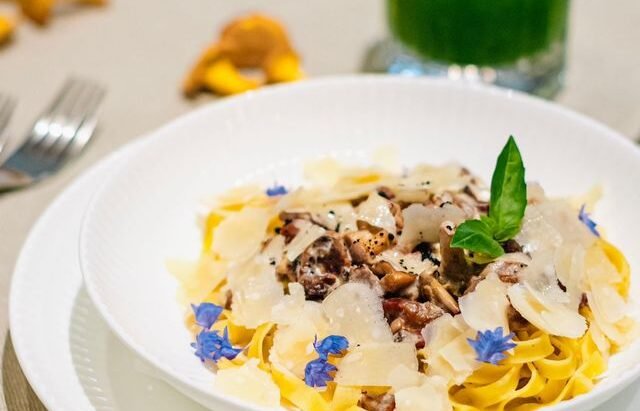
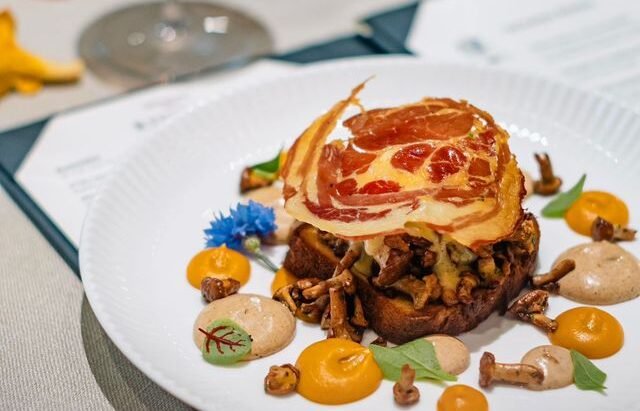
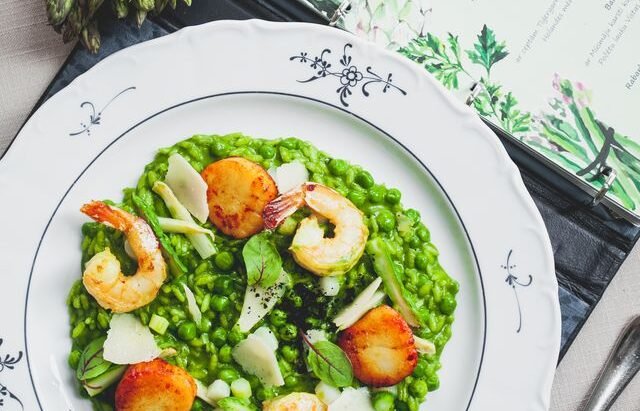
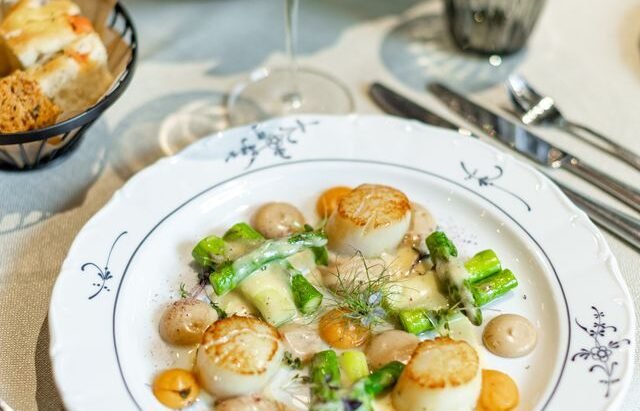
A good example is our avocado and mango salad with tiger prawns. We have deliberately kept its fundamental concept unchanged for 15 years. That does not mean the menu stands still. Over the years, it has featured dozens of different Mediterranean dishes, and we create seasonal asparagus, chanterelle and truffle menus. But some things have become Riviera classics, and there is no reason to change a classic simply for the sake of doing something new.
– Over 15 years, Riviera has welcomed around one million guests and prepared at least two million dishes. Do figures like these mean anything to you personally?
– In everyday restaurant life, nobody is sitting there counting: right, here comes guest number 999,999. [Laughs.]
But when you look back over 15 years as a whole, of course those numbers tell you something about the scale of what has been achieved. Around one million guests, at least two million dishes, more than 350,000 oysters and at least 180,000 bottles of wine opened.
And there is another figure that I think is worth mentioning – over those 15 years, we have paid no less than €8 million in taxes to the state. A restaurant is not just what a guest sees on their plate. It is a business, jobs, suppliers and a very substantial operation behind the scenes.
– Oysters have become one of Riviera’s signatures. Was that part of the plan from the very beginning?
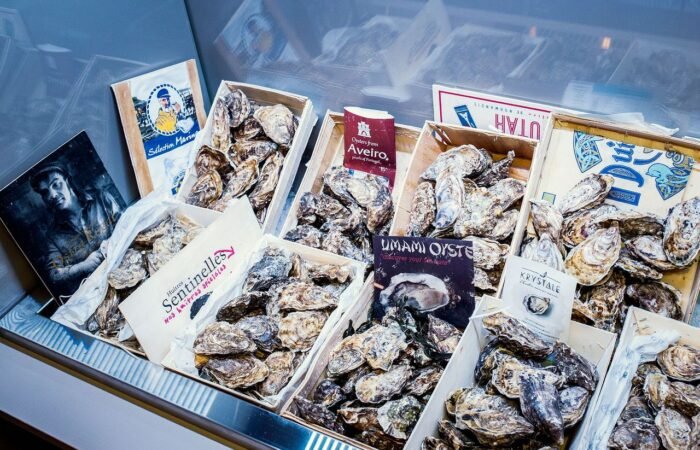
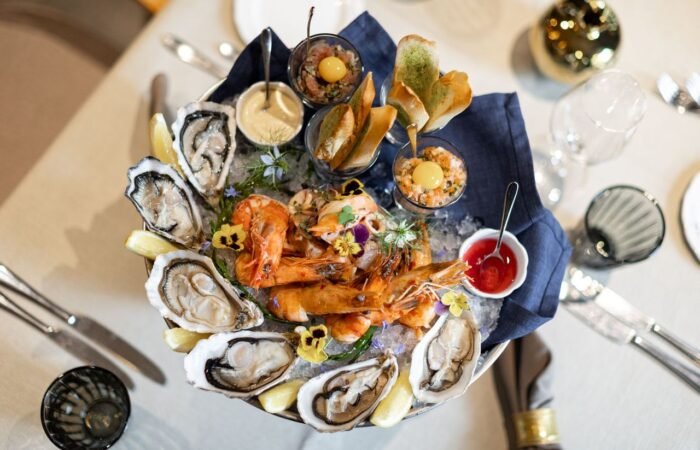
– Oysters have been on our menu since day one. Later, we realised that we wanted to develop this part of the restaurant much more seriously.
When we created a separate dining area with an oyster bar in 2017, our entire team of chefs and waitstaff went to France for a week, mainly to Brittany. We visited oyster farmers, learned how oysters are cultivated and handled, and immersed ourselves in the local oyster culture.
Initially, we offered 11 different varieties of oysters. Over time, we identified the six that our guests liked best and focused on those. We still receive our oysters directly from France twice a week.
– Wine is an equally important part of Riviera’s story. You started with around 300 selections, and at one point the wine list grew to around 1,300. Does a guest really need that much choice?
– The goal has never been to collect as many bottles as possible just so that we could say we have an enormous wine list.
What matters is that every wine on the list has a purpose. A guest should be able to find the right wine for a simple dinner as well as for a very special occasion.
A huge amount of credit here goes to our head sommelier, Ivars Kalniņš, who has been with us since the very first day. Today, we directly import wines from around 27–30 wineries in Italy, France and Germany. We are also the Latvian representative of Champagne house Palmer & Co.
– The restaurant has welcomed John Malkovich, Christoph Waltz, Gérard Depardieu, Luka Dončić, Dirk Nowitzki, Oleksandr Usyk and other global celebrities. Which of them stands out as the most significant guest for you personally?
– You see, I would actually like to start from the other end. Our own people come first.
From the very beginning, Latvian musicians, athletes, entrepreneurs and people from the cultural world have been coming to us. Many of them are regular guests. They have not visited once simply because they happened to be in Riga – they have been coming back for years.
Of course, it is nice when Malkovich, Dončić or Usyk comes to dinner. It is interesting, and in a sense it is also a mark of quality. But our greatest reward is not a list of celebrities on the wall.
The greatest reward is a guest who comes back.
– Are there really guests who have been coming to Riviera throughout all 15 years?
– Yes, and for me personally, that is one of the most beautiful aspects of this work.
We have seen people first come in as a couple, then start a family and begin bringing their children. Years pass, and those children start coming to us themselves for dinner or to celebrate their own special occasions.
That is when you realise that, for someone, a restaurant is no longer simply a place to eat. In some way, it has become part of their life.
– How has the Latvian restaurant guest changed over these 15 years?
– Significantly. Latvia’s restaurant culture as a whole has developed. Restaurants have improved in quality, while guests have become much more knowledgeable.
People know far more about food and wine. They are interested in where ingredients come from, they appreciate high-quality and healthy products, and they understand what good service means.
The way people use restaurants has changed as well. In the past, going to a restaurant was much more often associated with a special evening out. Today, people go to restaurants much more casually – for lunch, to meet friends, or simply because they want to enjoy a good meal.
– And competition in Riga has become much stronger.
– Enormously. When we started, there were perhaps five or six restaurants in Riga’s Quiet Centre. Today, there are several dozen.
Mediterranean cuisine was also not nearly as established in Riga back then as it is today. Now it is one of the city’s most popular culinary styles. I would like to think that we have also played a part in helping people in Riga discover and fall in love with this cuisine.
Competition is a good thing. It does not allow you to become complacent.
– What has been the most difficult period during these 15 years?
– Covid-19. Without question.
You know how to cook, how to welcome guests, how to run a restaurant. You have spent 10 years learning your business, and suddenly someone tells you: that’s it, the restaurant has to close.
And nobody can tell you for how long. Nobody knows what will happen in a month or six months.
But life is not a bed of roses. You have to work with the situation you are given. We used that period to review our menu, improve certain things and renovate parts of the interior. If you cannot change the situation itself, you can at least decide how to use the time productively.
– Riviera is now included in the Michelin Guide, Falstaff has awarded it 92 points out of 100, and its wine list has received international recognition. Did you dream of achievements like these 15 years ago?
– Of course, it is a great honour and a source of genuine satisfaction. When respected professionals at an international level tell you that what you are doing is good, that is very rewarding.
But I would not want a restaurant to start living solely for ratings and awards. We cook for our guests, not for a guide.
What matters most to me is that a person leaves Riviera smiling, well fed, having enjoyed a beautiful evening and wanting to come back. If Michelin, Falstaff and wine-list awards come alongside that – fantastic.
– So what is the main formula behind Riviera’s success over these 15 years?
– Loyal guests and a strong team.
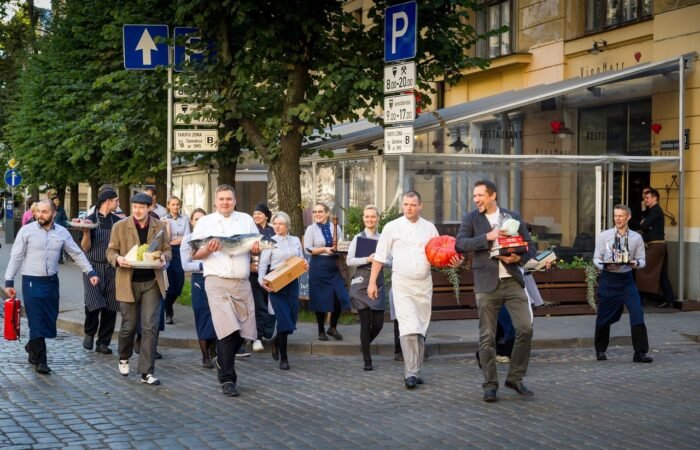
Fifteen years in the restaurant business is not the achievement of one person. Today, depending on the season, we employ around 40–50 people, and several of them have been with us since the very beginning.
That is why I genuinely want to thank the entire team – the people working in the dining room and in the kitchen, those who have been with us since day one and those who joined later.
I would especially like to thank our chef, Yevgeny Liskin, and the entire kitchen team. Today, I am Riviera’s brand chef – I work on ideas, the concept and the overall direction – but the restaurant’s day-to-day kitchen operation is very much a team effort.
Without these people, there would be no Riviera.
– What will happen to Riviera over the next 15 years? Should we expect a new concept?
– No. [Laughs.]
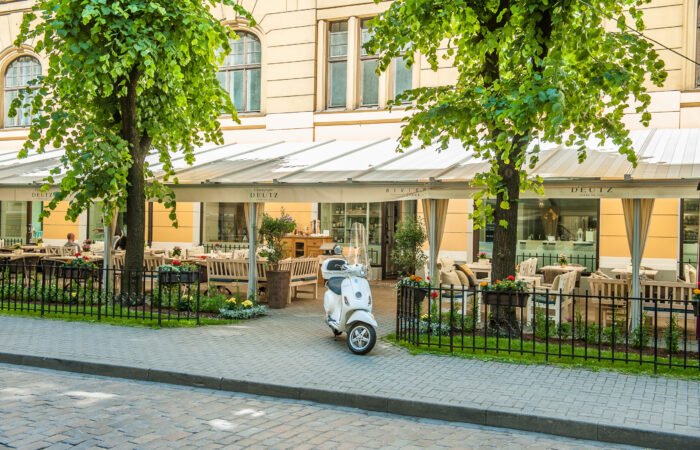
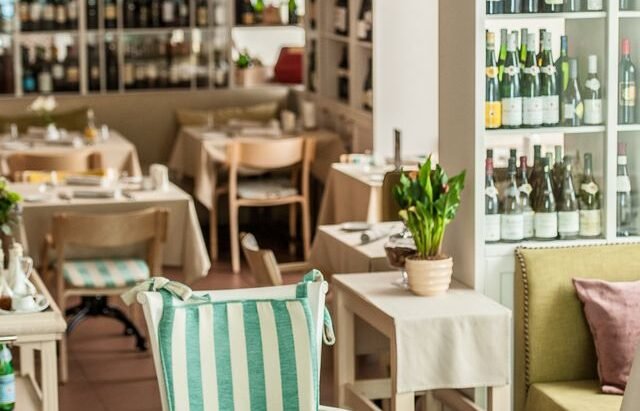
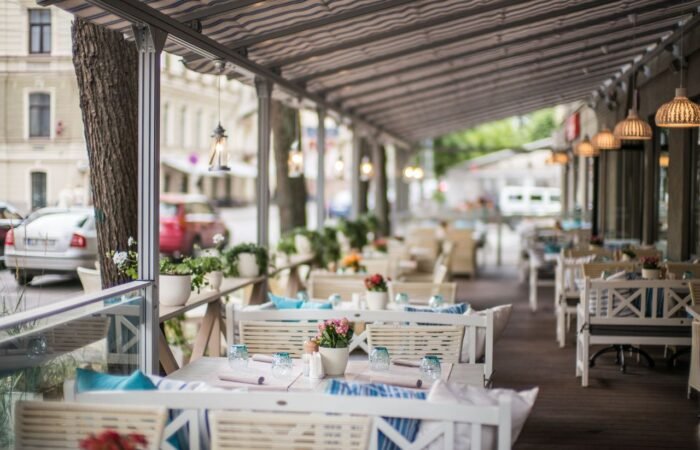
Over the next couple of years, we want to renovate the terrace, make it more welcoming and give it an even stronger Mediterranean atmosphere. Of course, we will continue working on the menu, the wines and the quality.
But there will be no revolution.
I compare Riviera to a little black cocktail dress. It is a classic. You can change the details, you can add something to it, but there is no need to redesign it completely every season.
We know very well what Riviera is. And that is precisely why we have no intention of messing with it.