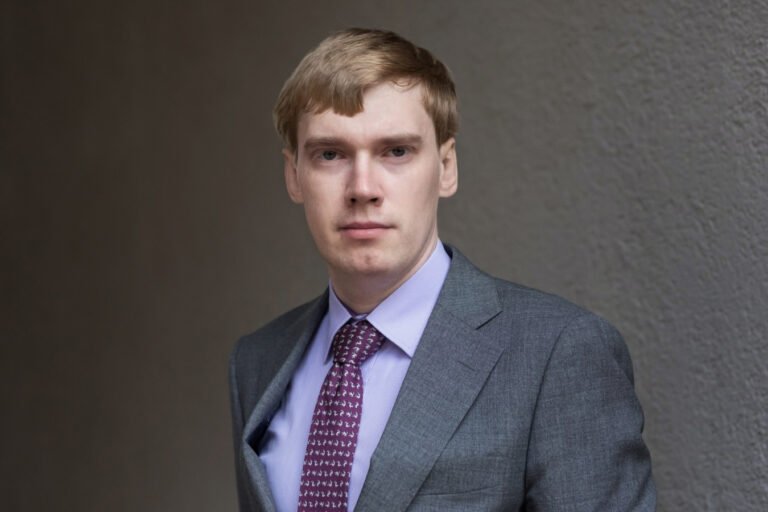
Opinion by Prof. Dr. Paulo Pereira.
In the following opinion article, Professor Pereira highlights the critical role of urban soils in providing ecosystem services such as flood mitigation, water regulation, food production, climate adaptation, and recreational value. He also warns about the growing threats posed by pollution, soil sealing, poor urban management, and uncontrolled urban expansion, particularly in the Baltic region. Drawing on scientific research and practical examples from European cities, he advocates sustainable urban planning and soil restoration measures to protect both the environment and human health.
Urban soils supply many important ecosystem services in cities, so maintaining their health is essential. In urban areas, soils face many challenges, including pollution, poor management, and recreational use. As a result, most urban soils are heavily degraded, often sealed, compacted, or polluted.
The Double-Edged Nature of Urban Agriculture
Growing food in these soils can be risky because plants may absorb pollutants, which then enter the food chain. This risk is well known in urban agriculture. However, if managed well, soils can offer valuable ecosystem services. They can help reduce flooding, improve water quality, and provide food, biomass, and recreation. Some practices meant to improve soil health, like adding compost, can sometimes increase pollution if the compost contains contaminants.
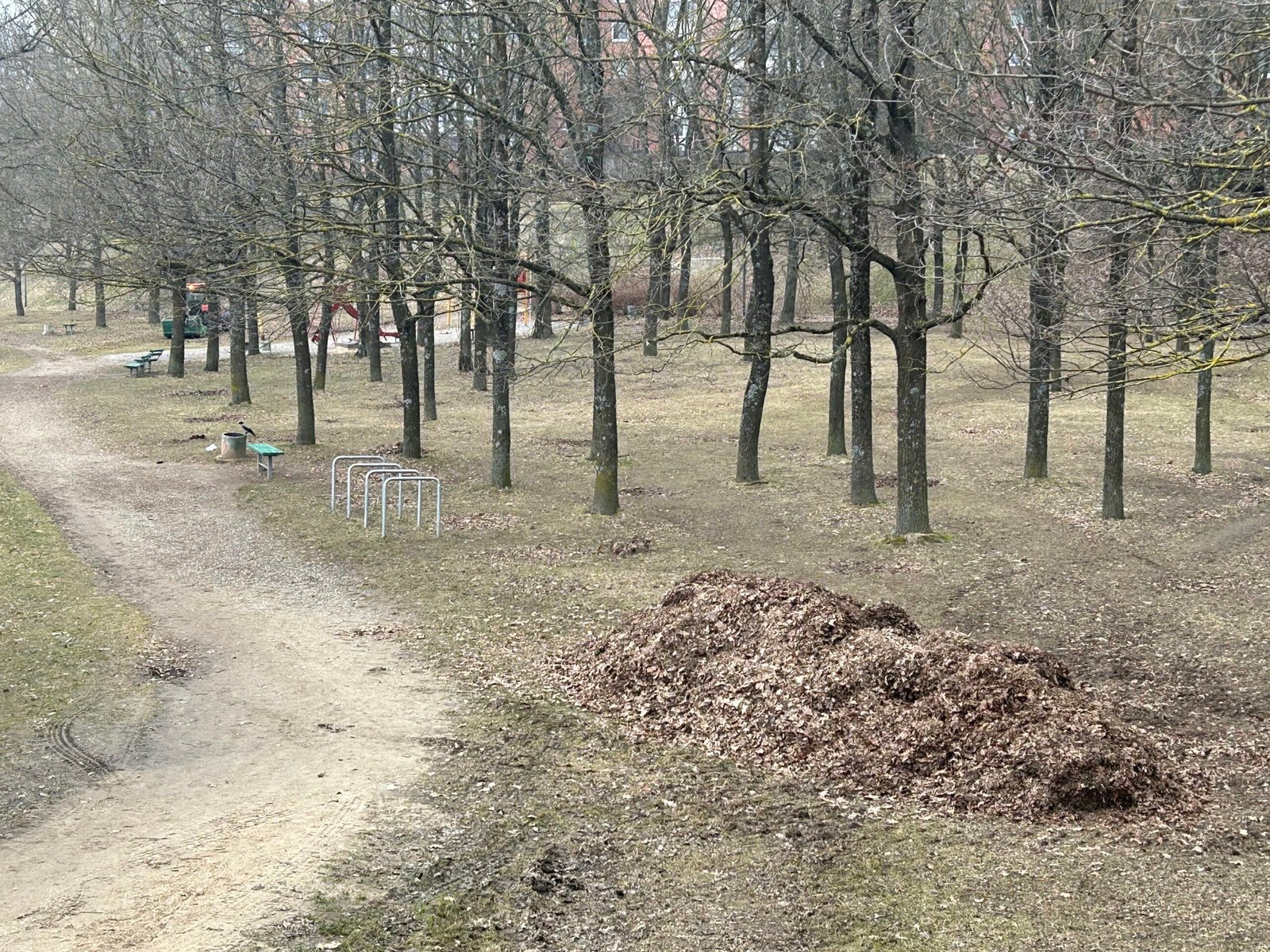
Overall, urban agriculture can benefit soil health, depending on the methods used. In Vilnius, urban agricultural soils are generally healthy, but soils in parks and lawns are often degraded due to poor management, including frequent mowing and heavy machinery use, as well as recreational activities like dog walking. These areas need more sustainable management.
Soil Health and Human Health Are Connected
It is important to remember that soil health is closely linked to human health. For example, polluted soils can cause serious diseases, including cancer. Recently, pollution from chemicals like herbicides, pesticides, and pharmaceuticals has become a growing concern, with effects that are not yet fully understood. Policymakers need to recognize this and prioritize soil health.
The Baltic Region’s Growing Soil Crisis
Urban soils play a vital role in supporting ecosystem functions. In the Baltic region, however, rapid and uncontrolled urban growth is causing soil degradation. We need to stop this trend, prevent further damage, and start restoring soil health. One important method is desealing, which has already been used in some European cities, such as Ghent, Belgium. This approach helps improve urban soil health and the services soils provide. While it can be difficult to implement, it is an important step toward making cities more sustainable and resilient.
Restoring Soils, Strengthening Communities
Stopping soil degradation and restoring soils would greatly benefit local communities and policymakers. It would make cities less vulnerable to climate-related events such as heatwaves and flash floods, and help reduce the economic costs of these disasters.
Urban areas are especially at risk because of their dense populations and built-up environments. Healthy soils are essential for addressing these challenges. They support plant growth, help cool urban areas, and reduce the impact of heatwaves on people’s health. Healthy soils also retain water, which reduces the impacts and costs of flooding.
The positive effects of healthy soils on well-being are well established. Now is the time to remove surface sealing, stop further damage, and restore soils.
————–
Prof. Dr. Paulo Alexandre da Silva Pereira is a distinguished environmental scientist specializing in soil science, ecosystem services, land degradation, and sustainable urban management. He is a Professor at the Environment Management Laboratory at Mykolas Romeris University, where his research focuses on the relationships among soil health, climate resilience, biodiversity, and human well-being.
He is also actively involved in European research and innovation initiatives focused on soil restoration and sustainable land management. Within the InBestSoil Project, Professor Pereira coordinates the Regional Testing Site “Lighthouse 5” in Vilnius. The project aims to develop and test innovative business models and governance approaches that support soil health improvement and carbon sequestration across Europe. Through the Vilnius Lighthouse, his work advances sustainable urban soil management practices, promotes climate resilience, and demonstrates practical solutions for restoring degraded urban ecosystems.
Professor Pereira is internationally recognized for his contributions to environmental research and has been listed among the world’s most highly cited researchers, reflecting the global impact of his scientific work. His studies examine how human activities, including urbanization, agriculture, pollution, and land-use change, affect ecosystems and soil functions, particularly in rapidly developing urban environments. His work strongly emphasizes the importance of restoring degraded soils and promoting sustainable land management practices to build healthier and more resilient cities.