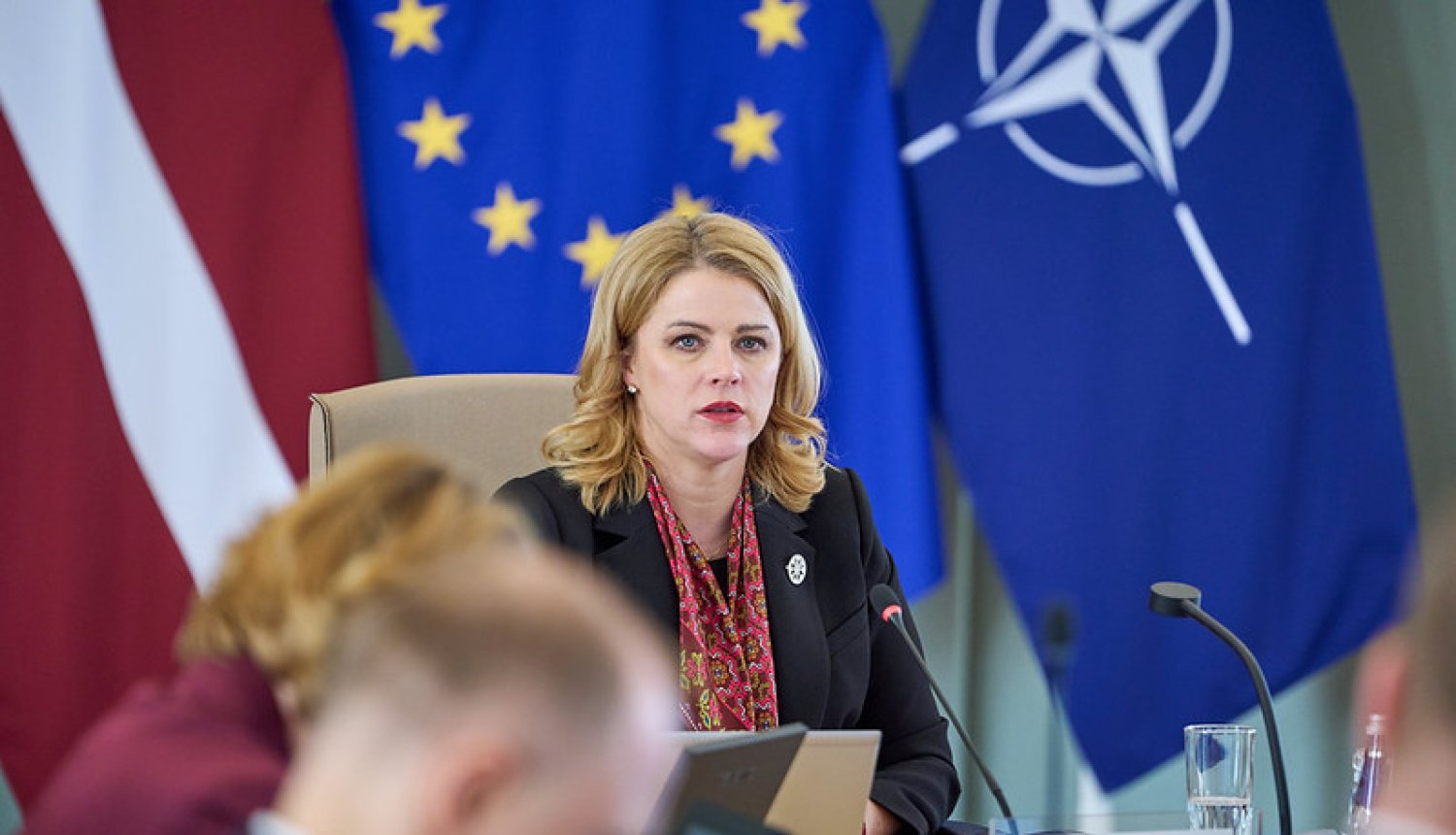
Latvia is facing a rapidly escalating political crisis as speculation grows over the possible resignation of Prime Minister Evika Siliņa following mounting pressure from coalition partners and opposition parties.
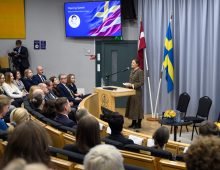
On Thursday morning, Speaker of Parliament Daiga Mieriņa unexpectedly suspended the parliamentary session, announcing that lawmakers would reconvene at 10 a.m. for an address by Prime Minister Evika Siliņa. The announcement immediately fueled political speculation in Riga that the prime minister could use the speech to announce her resignation.
Pressure on the government intensified after coalition partner “The Progressives” signaled support for a potential no-confidence move against the prime minister. Opposition parties have also openly called for her resignation, arguing that the government has lost credibility and political momentum.
At the center of Thursday’s parliamentary debate is an opposition request concerning possible conflicts of interest and compliance with restrictions on accepting gifts by public officials who attended an event financed by the Konrad Adenauer Foundation. If a parliamentary majority supports the request, it would effectively signal that Prime Minister Evika Siliņa no longer commands the confidence of the Saeima.
Shortly after “The Progressives” announced their position, opposition force United List declared that it would formally seek the prime minister’s dismissal. The party also stated that it is prepared to take responsibility for forming a new government and leading the Defence Ministry.
Meanwhile, the National Alliance has likewise expressed readiness to lead a new coalition government if the current administration collapses.
Political analysts note that the developments mark one of the most serious threats yet to the survival of the current coalition. The government led by Evika Siliņa was approved by parliament on September 15, 2023, becoming Latvia’s 42nd Cabinet of Ministers.
The coming hours are expected to be decisive for the future of Latvia’s government and could trigger a broader reshaping of the country’s political landscape ahead of the next parliamentary elections.