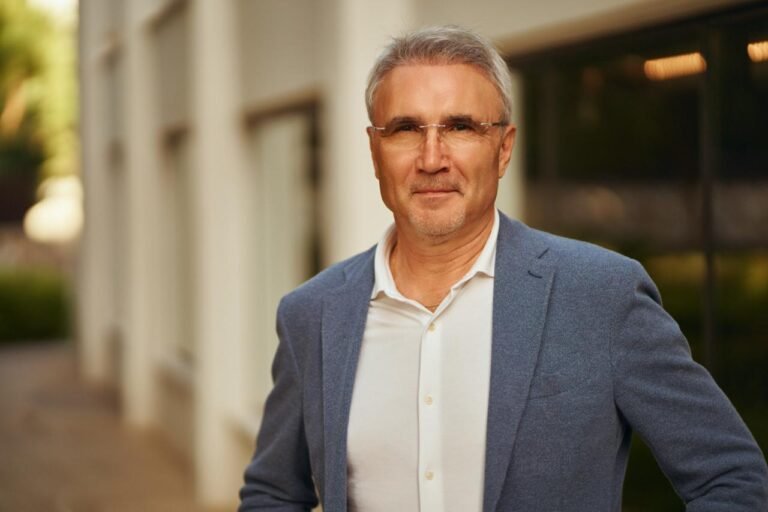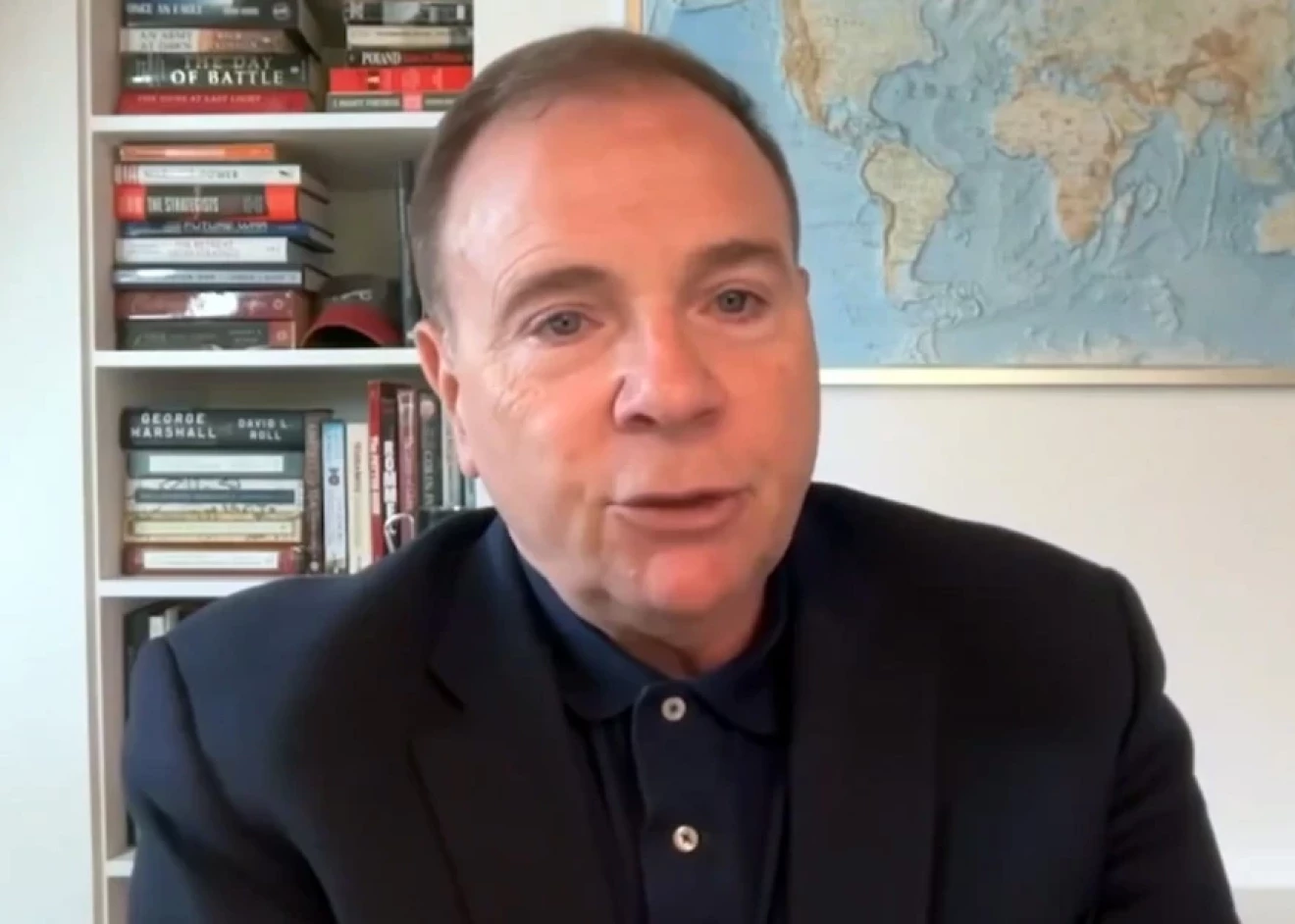
Retired US Lieutenant General Ben Hodges has sharply criticised Steve Witkoff and Jared Kushner over their reported use of Russian-provided transport during a diplomatic mission to Moscow, arguing that the decision could have exposed private conversations to Russian intelligence.
Hodges, a former commanding general of US Army Europe, questioned the professionalism and operational discipline of US President Donald Trump’s envoys during their recent visit to Russia.
According to Latvian news outlet Jauns.lv, Hodges said the Russian side had provided transport for Witkoff and Kushner during their stay in Moscow.
He reportedly described the two envoys as “two undisciplined fools”, arguing that any conversation conducted inside a Russian-provided vehicle should be assumed to be accessible to the Russian authorities.
Hodges’ criticism centres on a basic counterintelligence principle: officials engaged in sensitive negotiations should not discuss confidential matters in vehicles, rooms or communications environments controlled by the host country.
No public evidence has been presented showing that a particular conversation involving Witkoff and Kushner was intercepted. Hodges’ argument is that their reported choice of transport created an avoidable security risk during an exceptionally sensitive diplomatic mission.
Moscow talks produced no announced breakthrough
Witkoff and Kushner travelled to Moscow on 5 September for talks with Russian President Vladimir Putin about the war in Ukraine. The closed-door meeting at the Kremlin lasted more than three hours.
Putin’s foreign policy adviser Yuri Ushakov described the discussions as useful and constructive, but no breakthrough or concrete agreement was announced. According to Reuters, the talks covered possible approaches to ending the war as well as potential economic cooperation between Russia and the United States.
The Associated Press also reported that the negotiations ended without any publicly announced concessions, despite the Kremlin describing the conversation as frank and useful.
Russia continues to demand that Ukraine surrender territory claimed by Moscow and abandon its ambitions to join NATO. Kyiv rejects these conditions and insists that any settlement must protect Ukraine’s sovereignty and include credible long-term security guarantees.
Envoys travelled from Moscow to Kyiv
Following the Moscow meeting, Witkoff and Kushner travelled to Kyiv for talks with Ukrainian President Volodymyr Zelenskyy.
The US envoys called the Kyiv discussions substantive. Kushner said they had learned a great deal from the Moscow visit, while Witkoff expressed encouragement about the diplomatic process. However, they did not publicly disclose the details of Russia’s proposals or identify any significant narrowing of the differences between Moscow and Kyiv, according to NPR.
The diplomatic initiative unfolded while fighting and long-range attacks continued. Russian strikes hit several Ukrainian regions around the time of the envoys’ mission, while Ukraine continued targeting Russian military, energy and logistical infrastructure.
Although temporary limits on attacks against Moscow and Kyiv were reported during the diplomatic visit, they did not amount to a comprehensive ceasefire.
Hodges questions the envoys’ preparedness
Hodges’ intervention broadens the debate beyond the results of the negotiations. His criticism raises questions about whether political appointees and informal presidential envoys receive the same security preparation and counterintelligence support as professional diplomatic teams.
Witkoff, a businessman and long-time associate of Trump, has become one of the president’s most prominent international negotiators. Kushner, Trump’s son-in-law and a former senior White House adviser, has also played a significant role in US diplomatic initiatives.
Neither man is a career diplomat. Their supporters argue that their direct access to Trump and their deal-making approach allow them to explore options that traditional diplomatic channels may struggle to advance.
Critics, including Hodges, contend that high-level access cannot replace regional expertise, careful preparation and strict security discipline—particularly when negotiating in Moscow.
Former US ambassador to NATO Ivo Daalder also expressed scepticism before the meeting, arguing that offering Russia the prospect of improved economic relations in return for ending the war was unlikely to change Putin’s calculations. Daalder wrote that the approach would not work.
Security discipline is part of diplomacy
Hodges’ criticism does not establish that classified information was compromised. It nevertheless underscores a wider concern: Russia has extensive experience in surveillance, intelligence collection and the manipulation of diplomatic environments.
Secure transport, controlled communications and restrictions on sensitive conversations are therefore not ceremonial precautions. They are part of the substance of high-level diplomacy.
For Hodges, the reported use of Russian-controlled transport illustrates a broader problem with the US negotiating team—insufficient discipline and preparation for dealing with an experienced and adversarial Russian state apparatus.
The Moscow talks may ultimately be judged by whether they contribute to a credible peace process. Hodges’ warning suggests they should also be examined from another perspective: whether the people conducting the negotiations were adequately prepared to protect the information entrusted to them.