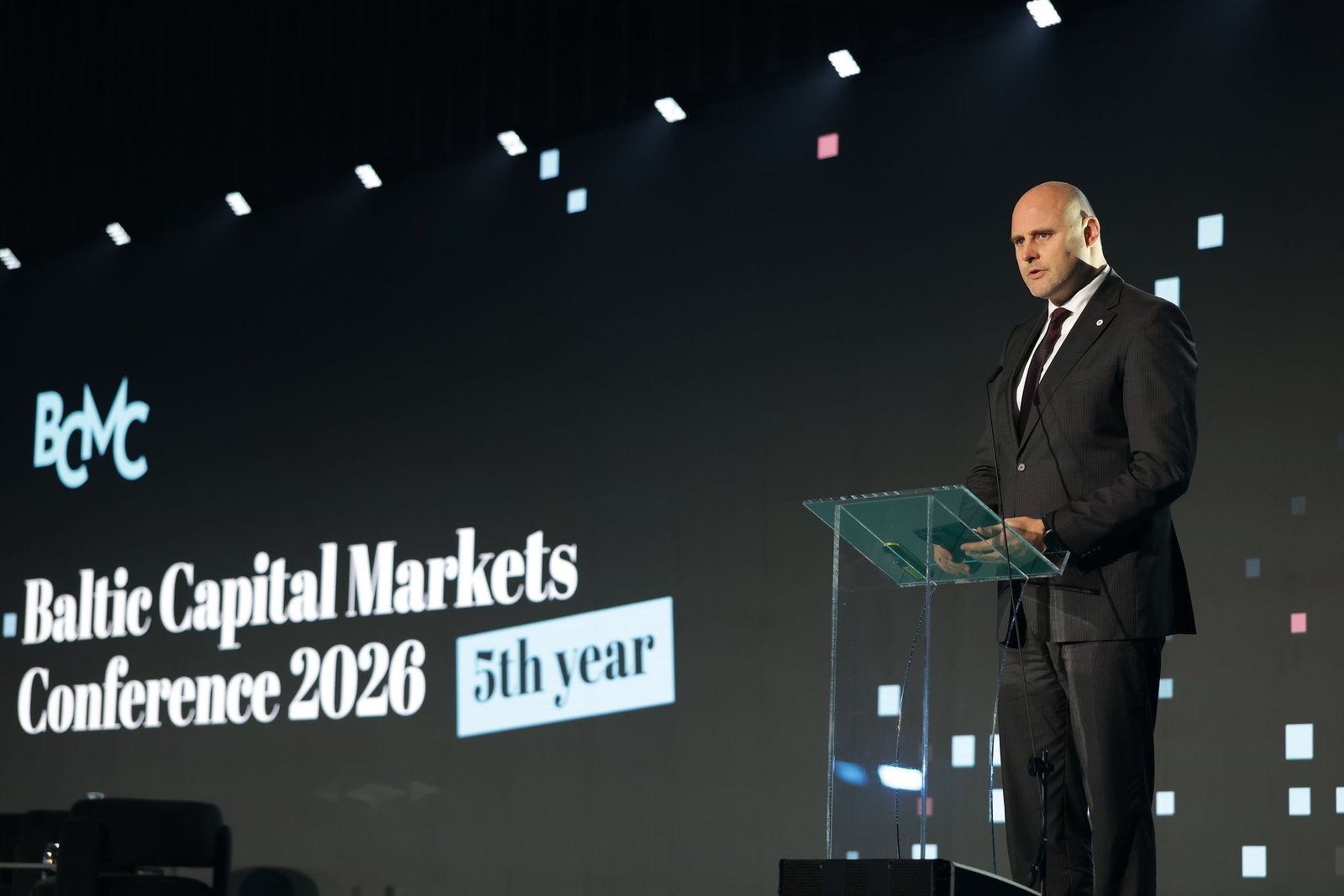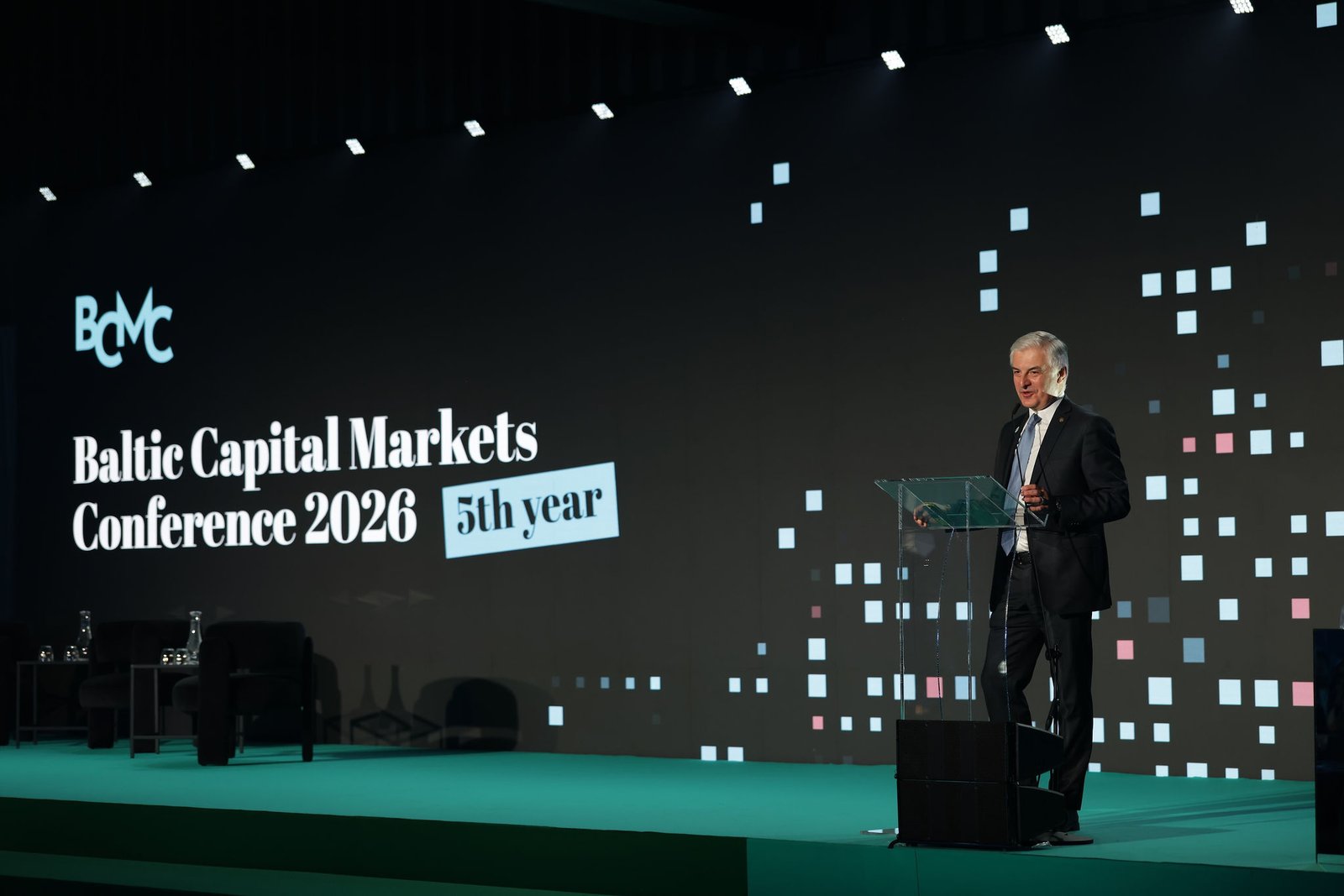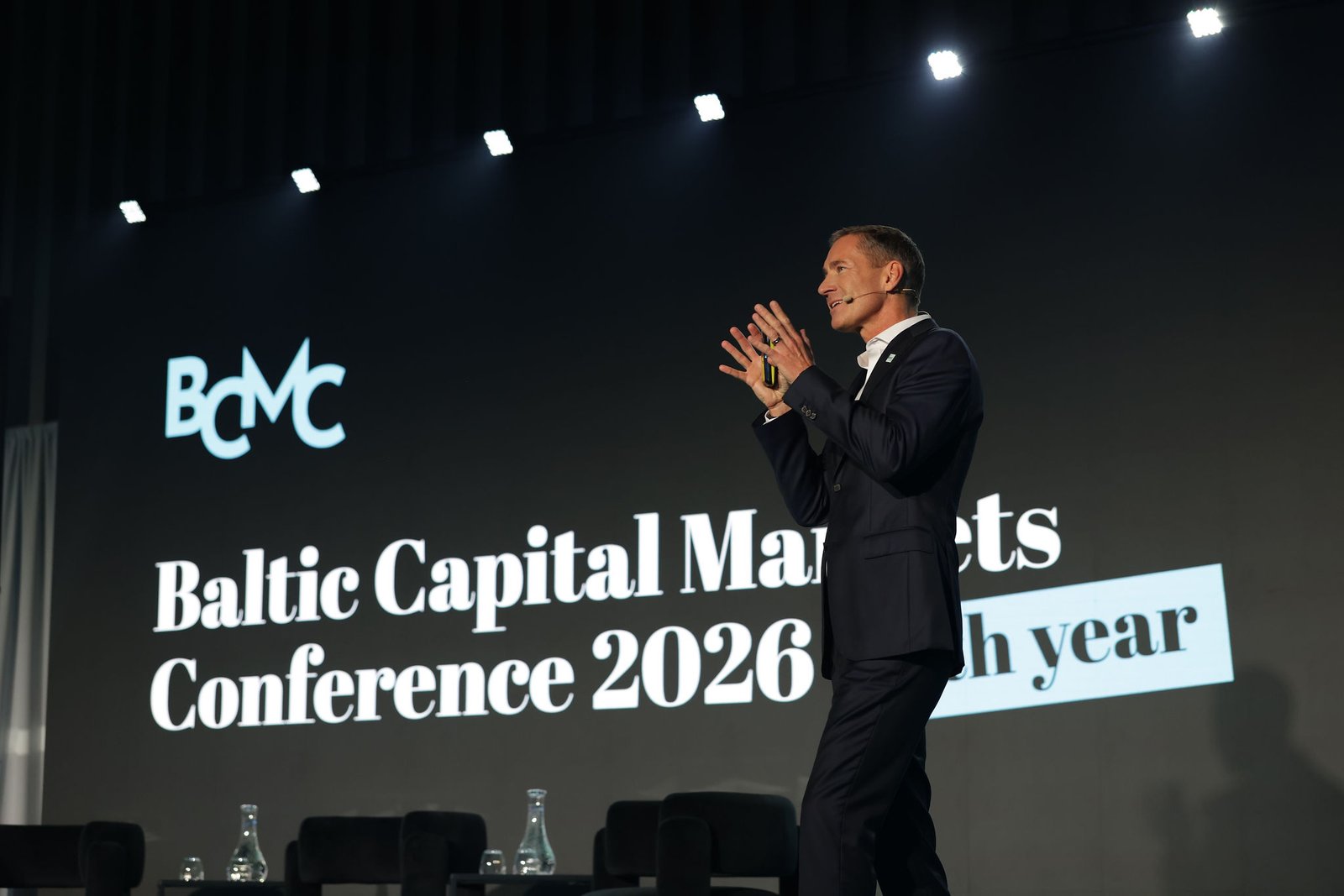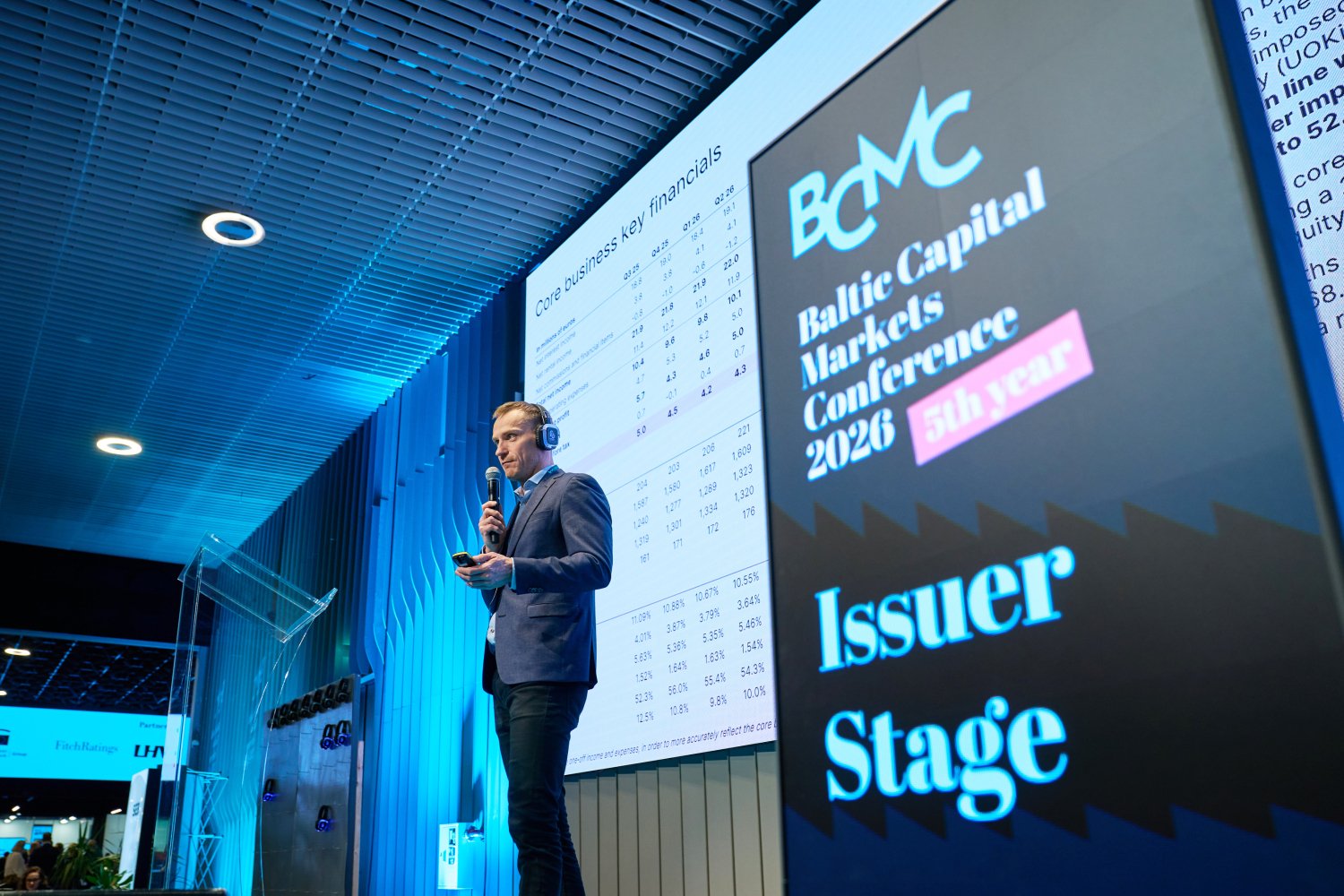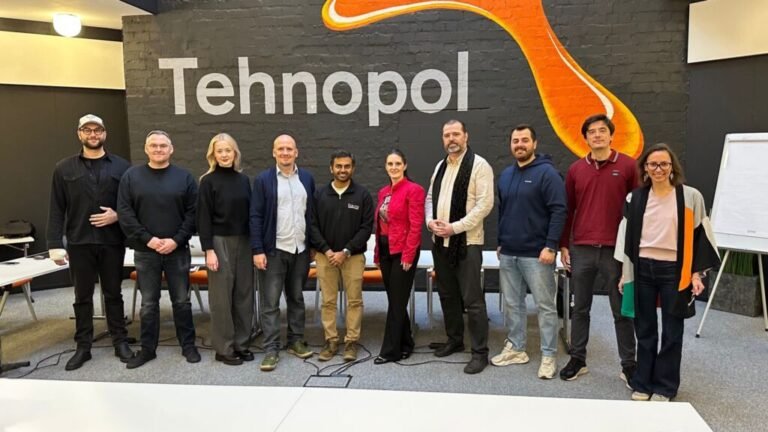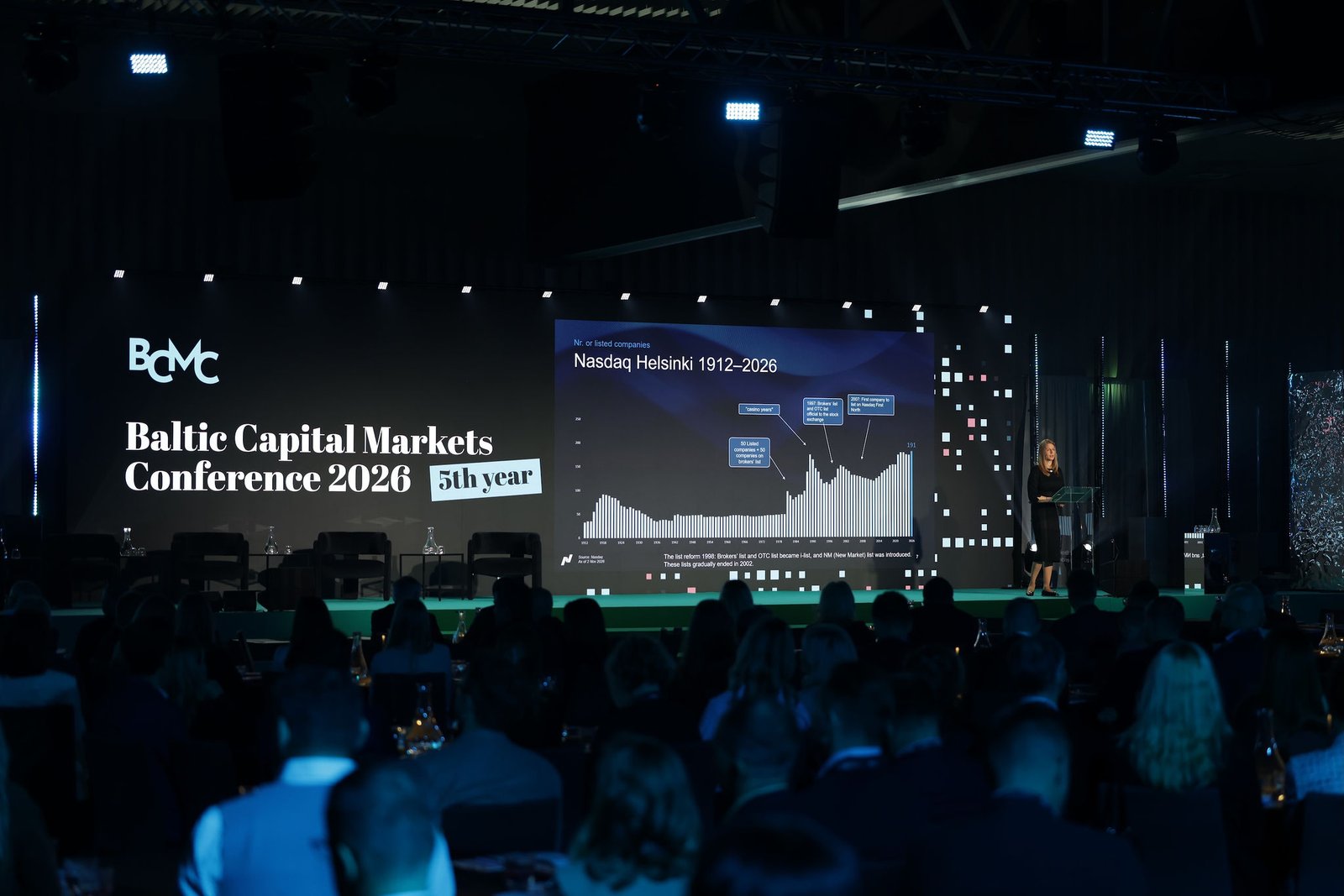
On November 5, Riga hosted the fifth annual Baltic Capital Markets Conference 2026, the largest capital markets event in the Baltics, bringing together 650 participants and 46 speakers, including local and international investors, business leaders, financial industry experts, regulators, and policymakers, among them Prime Minister of Latvia Andris Kulbergs. The conference emphasized the need to channel more available capital into productive investments, expand financing opportunities for businesses, and further develop Baltic capital markets to strengthen the region’s competitiveness.
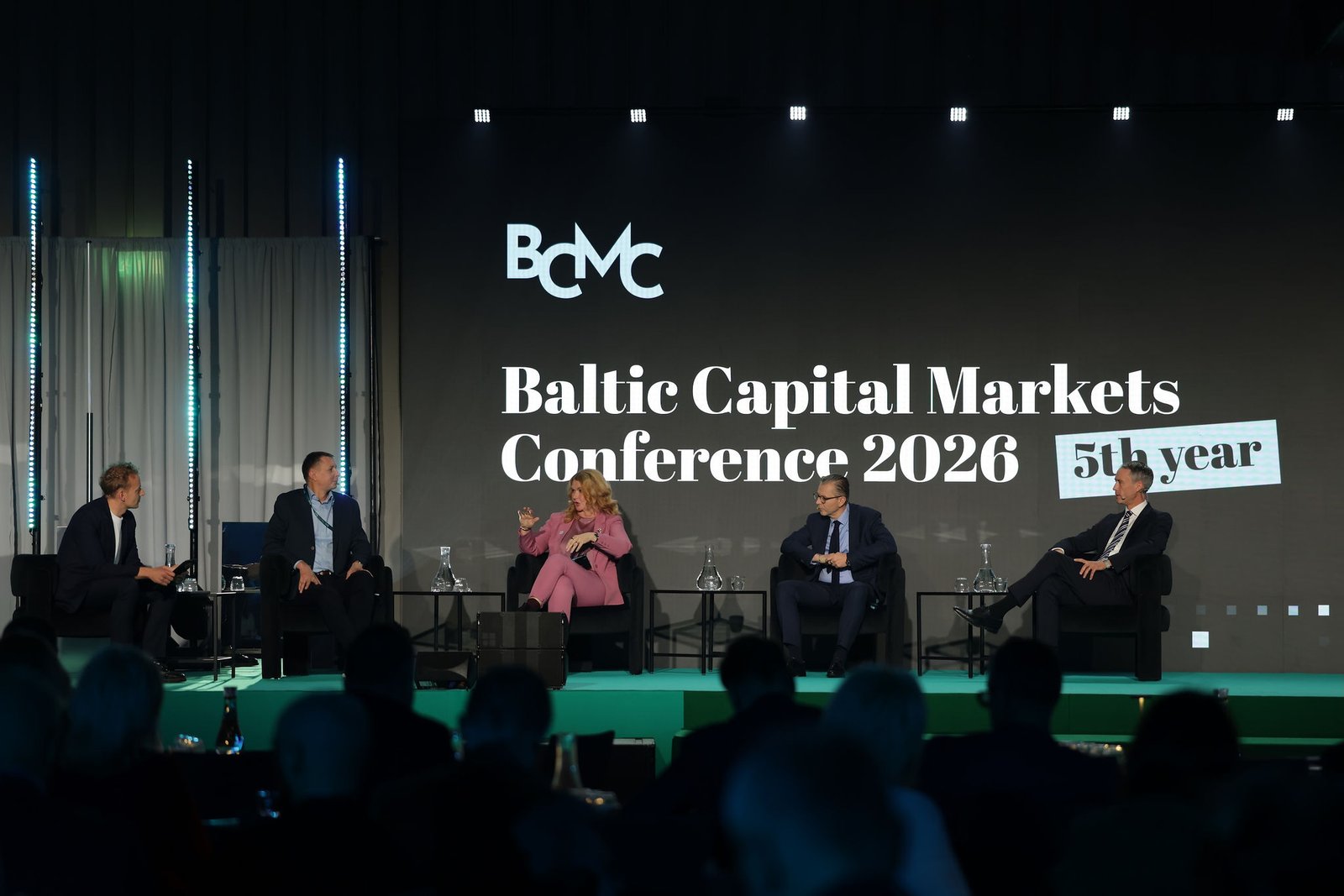
Across five panel discussions, experts explored the development of Baltic equity and bond markets, market liquidity, corporate financing opportunities, securities settlement infrastructure, and the role of domestic capital in driving economic growth. Particular attention was given to solutions that could encourage greater investor participation, bring more companies to public markets, and strengthen capital market integration across the Baltics.
Developing Baltic Capital Markets Requires Greater Public and Private Sector Engagement
In their opening remarks, Prime Minister of Latvia Andris Kulbergs, Governor of Latvijas Banka Mārtiņš Kazāks, and CEO of Signet Bank Roberts Idelsons emphasized that the Baltic states have the capital and potential needed for economic growth, but the key challenge is translating that potential into tangible economic progress.
Opening the conference, Prime Minister Andris Kulbergs stated: “Capital market development is an essential prerequisite for accelerating Latvia’s economic growth. A well-developed capital market expands financing opportunities for businesses, encourages investment, and strengthens economic potential. Achieving this requires decisive action both in Latvia and across the Baltics. The government’s decisive step will be the establishment of the Latvian Development Fund, which will provide an initial boost to capital market development. We have been discussing the entry of state-owned enterprises into capital markets for more than a decade, and now it is time to make it happen.”
Mārtiņš Kazāks, Governor of Latvijas Banka, noted that the development of Baltic capital markets continues to be constrained by their relatively small size and limited liquidity. However, overcoming these challenges requires sustained, systematic efforts rather than a single major breakthrough. He highlighted the strong growth of the Baltic bond market, which provides valuable experience for companies considering an initial public offering (IPO) in the future. Kazāks also identified the transition of Baltic capital markets from Frontier Market to Emerging Market status as a long-term objective that could increase the region’s visibility among international investors and expand capital-raising opportunities.
Roberts Idelsons, CEO of Signet Bank, emphasized that the growth of the Baltic bond market in recent years demonstrates the willingness of companies and investors to make greater use of capital markets. Nevertheless, capital markets remain one of the largest untapped resources of the Baltic economies.
“We have demonstrated that Baltic capital markets can grow. Now we must take the next step – moving beyond individual successful transactions toward systematic market development, focusing not only on increasing market volumes but also on expanding the range of well-structured and high-quality investment opportunities and financial instruments available to investors. This requires ambitious, professional decision-making in both the public and private sectors,” said Roberts Idelsons.
Among the specific priorities for further development, he highlighted listing of state-owned enterprises and improving the taxation framework for investment income to encourage domestic capital formation and broaden investor participation.
Phil Mackintosh, Chief Economist and Senior Vice President at Nasdaq, also emphasized the importance of equity market development for economic growth: “If you can grow your stock market capitalization, you can grow your economy.”
Capital Market Integration, Liquidity, and Financial Infrastructure Development
Throughout the panel discussions, Baltic and international experts emphasized the need to encourage more companies to enter public markets, attract long-term institutional investors, improve market liquidity, and enable larger-scale capital raising through both equity and bond markets. Discussions also addressed the potential of digitalization and tokenization in financial market development, as well as opportunities to mobilize domestic capital more effectively to finance business growth across the region. Experts concluded that the future competitiveness of Baltic capital markets will depend on closer regional cooperation, a broader investor base, and the creation of new investment opportunities.
Jarek Frącki, Senior Adviser at Rothschild & Co, shared insights from Poland’s capital market development, noting that international investors initially entered the market because of major privatization transactions but remained due to its liquidity and well-developed capital market ecosystem. Similarly, the future of Baltic capital markets will depend on their ability to develop sufficient market depth, liquidity, and a diverse range of investment opportunities.
Discussions also explored the role of digitalization and emerging technologies in modernizing capital market infrastructure. Indars Aščuks, Vice President at Nasdaq and CEO of Nasdaq CSD, highlighted that broader adoption of distributed ledger technology (DLT) could eventually enable continuous, 24/7 securities trading while maintaining cost efficiency. The discussion reinforced that the development of Baltic capital markets will depend not only on access to capital but also on the ability to implement modern financial infrastructure solutions.
Trust, Transparency, and Long-Term Value at the Core of Successful Capital Market Transactions
The conference featured five capital-raising case studies, offering practical insights into IPOs and bond issuances across the Baltic and Nordic regions. These included LAU Infra Grupa’s IPO, Latvia’s first public share offering by a state-owned enterprise; Posti Group Oyj’s journey to a stock exchange listing; Apollo Group’s EUR 60 million bond issuance; Elektrum Group’s experience in the green bond market; and financing raised by Merito Partners for the acquisition of Līvlande Agro.
A common theme emerged across the case studies: capital markets are increasingly being used not only to raise financing but also as a strategic tool to support business growth, enable M&A transactions, strengthen corporate governance and visibility in investor’s community, and create long-term value.
Sanna Suvanto-Harsaae, Chair of the Board of Posti Group Oyj, emphasized: “You have to deliver on your promises at every stage of the IPO process.” Her remarks highlighted that successful capital raising depends not only on a company’s financial performance but also on transparency, credibility, and the ability to consistently deliver on commitments made to investors.
The key takeaway from Baltic Capital Markets Conference 2026 was clear: the challenge is no longer simply the availability of capital, but the ability to channel it into productive investments. The next stage of development will depend on decisions that encourage more companies to go public, attract investment, and strengthen competitiveness across the region.
Watch the conference recording HERE.