By Elizabet Beržanskytė, LRT.lt.
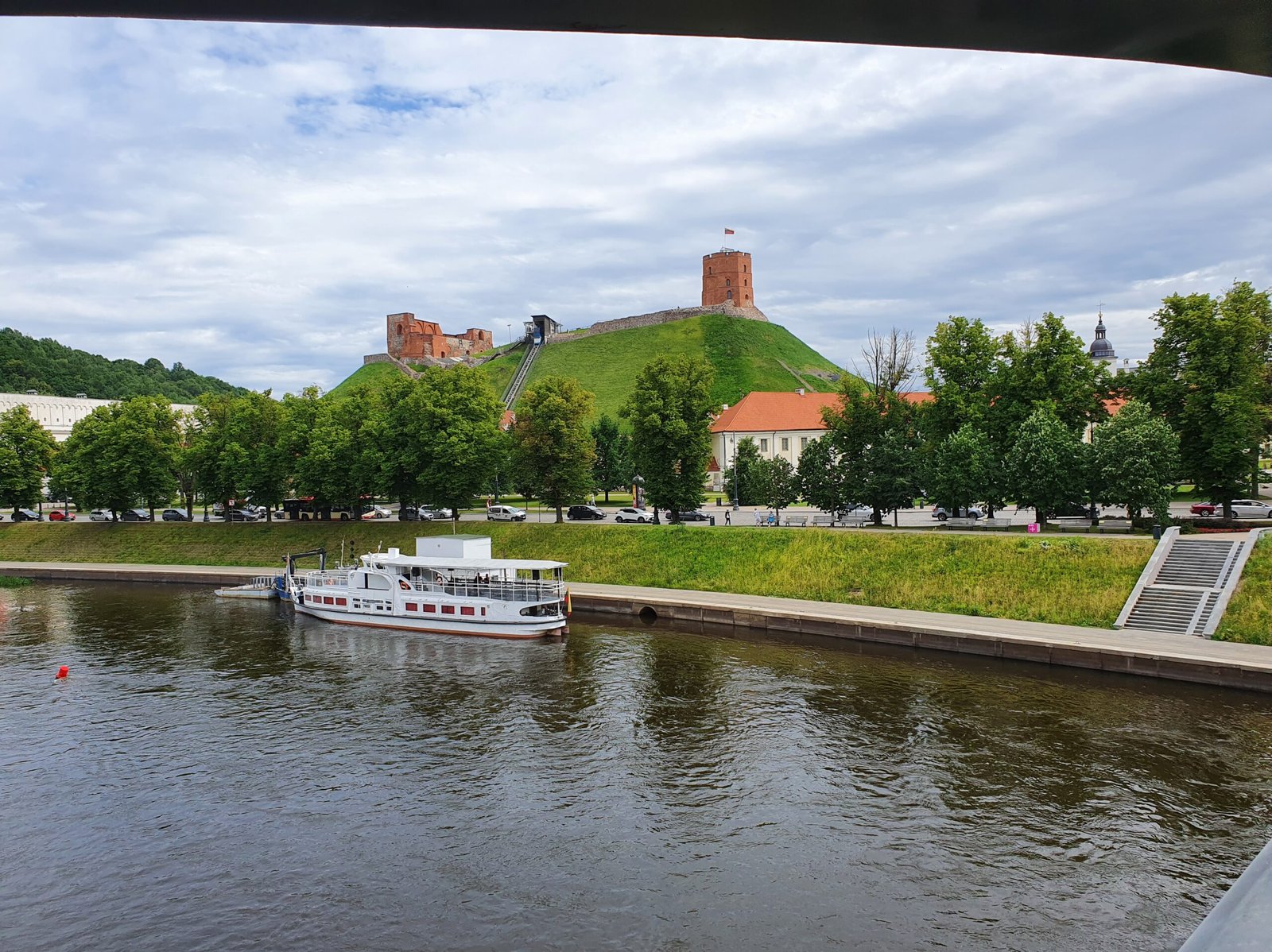
While this summer’s headlines have focused on record-low water levels on the Rhine, Danube and Vistula, Lithuania’s own rivers have been in slow decline for three decades – a trend scientists say will accelerate as the climate warms further, regardless of how much rain falls in any given year.
A record-breaking summer
Europe is warming faster than any other continent on Earth, and this summer has driven the point home. The EU’s Copernicus climate monitoring service reported on August 10 that June and July were the hottest ever recorded in western Europe, with average temperatures across the two months reaching 21.62C, beating the previous record set in 2022.
Climatologist Professor Arūnas Bukantis says the shrinking of major western and central European rivers is no longer an unusual event – it’s becoming a regular one.
“These extreme low-water episodes have been happening for perhaps three decades now, and they crop up in one river after another – French rivers, the Rhine, the Vistula, the Danube. These events are now very frequent, and naturally that disrupts shipping. In general, when river flow drops, water for irrigation and for cooling power stations starts to run short too,” he said.
He attributes the trend to climate change bringing more frequent heatwaves and droughts to Europe, compounded by low rainfall and heightened evaporation during prolonged hot spells.
Read more: LRT.LT