RIVARO Holding has completed the acquisition of a 49.99% stake in AS Rīgas starptautiskā autoosta, becoming the largest shareholder of Riga International Bus Station. The transaction was financed with a loan from Signet Bank AS, while the new owners plan to make additional investments in the development of the bus station. The new shareholder plans to focus on the continued development of the existing infrastructure and improving the quality of passenger services.
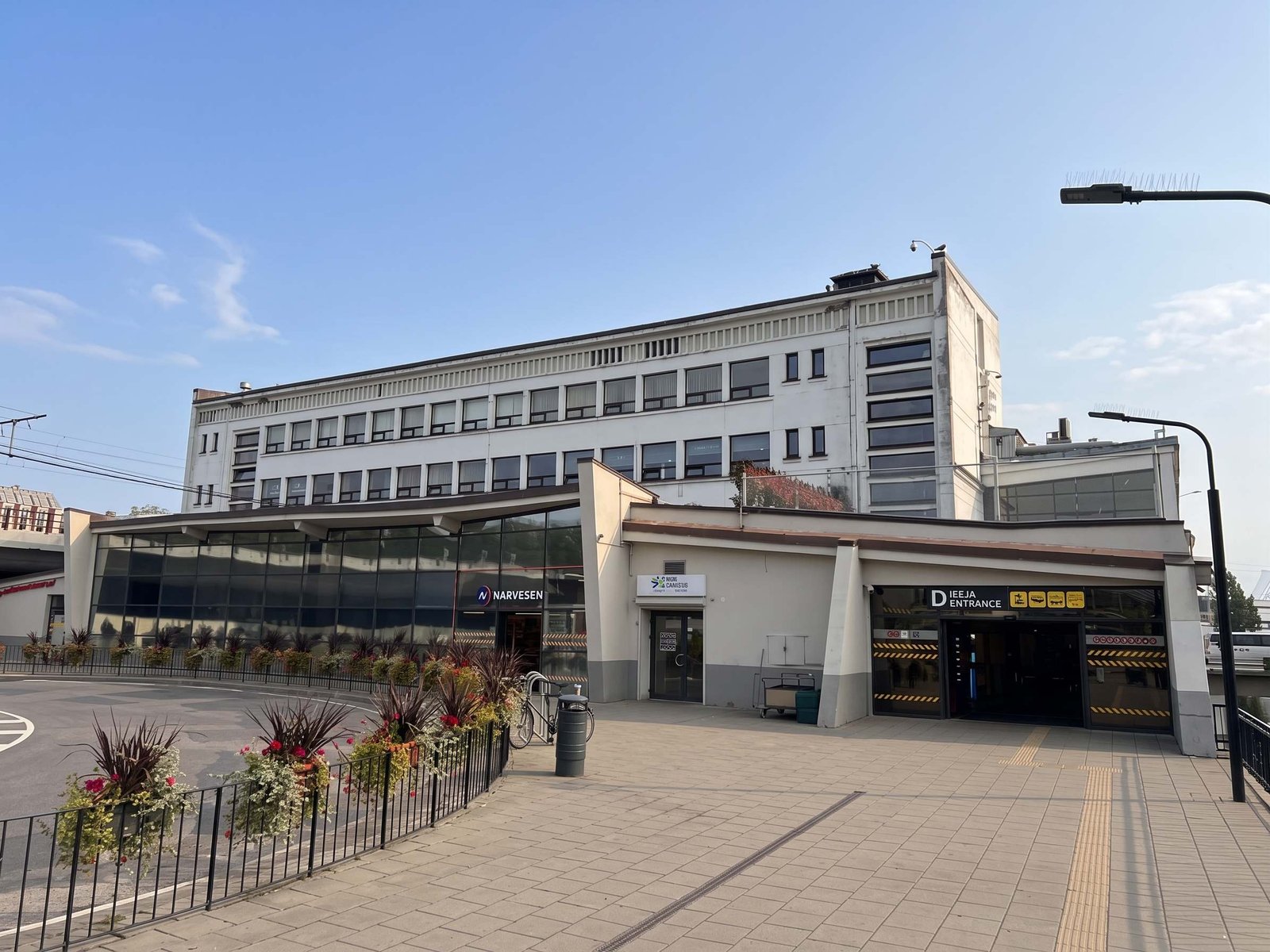
At the first stage, priority areas and improvements will be identified that will have the most immediate impact on passengers’ everyday experience, including ticketing systems, digital services and information screens. Riga Bus Station will continue operating at its current location. RIVARO Holding does not plan to demolish the existing bus station or change its purpose; the focus will remain on developing the facility and improving its operation for passengers.
“For a bus station with more than 60 years of history, modernisation is a strategic necessity. At the same time, decisions of this scale need to be considered in the broader context of the city’s development, and no shareholder can make such decisions alone: the Rail Baltica infrastructure, railway hub, Central Market and Riga’s historic centre are all located nearby. This requires a coordinated approach involving all relevant stakeholders. While discussions on long-term development solutions continue, we will focus on what can be done now and what passengers will be able to appreciate in the near future: making ticket purchases faster and more convenient, making information about platforms and service changes clearer, facilitating transfers and providing a higher-quality environment at the bus station,” says Vasily Serdyukov, Member of the Board of SIA RIVARO Holding.
According to the new shareholder, ticket prices are not directly determined by the owner of the bus station: fares for regional routes are approved by the state, while prices for international services are set by carriers. “The bus station generates revenue when it is convenient, accessible to passengers and in demand. That is precisely where our interest lies,” says Vasily Serdyukov.