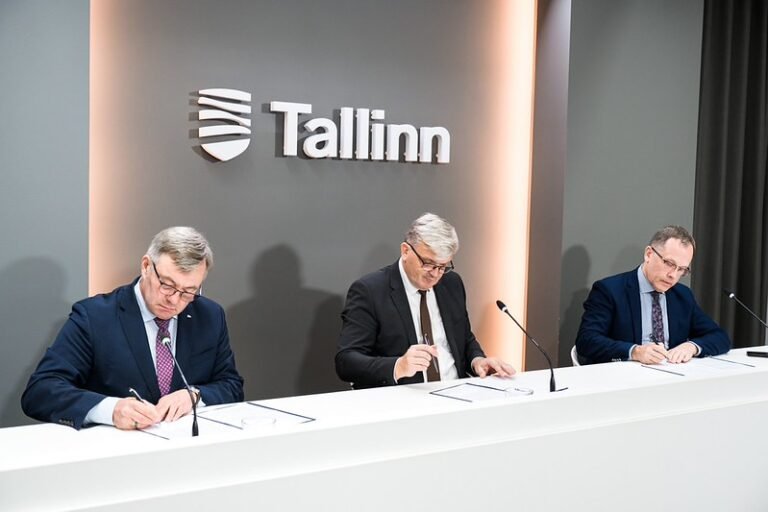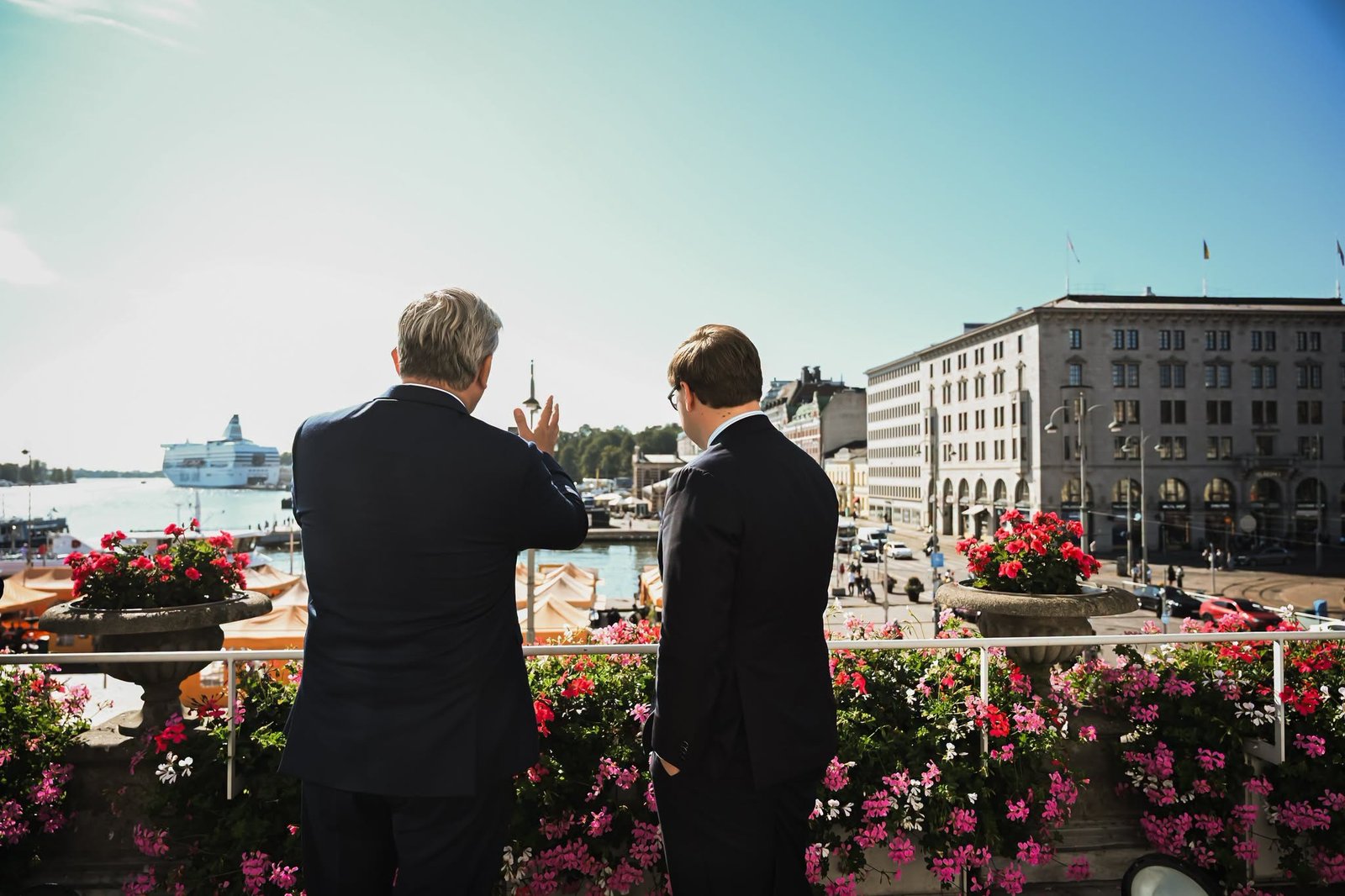
Tallinn Mayor Peeter Raudsepp and Helsinki Mayor Daniel Sazonov agreed yesterday in Helsinki that the two capitals will take the initiative in advancing the Tallinn–Helsinki tunnel project. A joint expert group from the two cities will be established to prepare the development of the project.
“The tunnel project is an undertaking of significance not only for Estonia and Finland, but for the whole of Northern Europe, and among other things it requires close cooperation between the City of Tallinn and the Estonian government. Next week, I will meet Foreign Minister Margus Tsahkna to share information from the meeting in Helsinki and discuss the next steps,” Mayor Raudsepp said.
The Tallinn–Helsinki tunnel would help address an important missing link in the European Union’s transport network by improving connections between Northern Europe and the Baltic region. The project also has significant potential from a security perspective, including improving the resilience of communications and increasing military mobility. It would also provide a logical continuation of the Rail Baltica project.
Raudsepp added that, from Tallinn’s perspective, it is important to integrate the tunnel project into the city’s current planning activities. “The city government’s objective is to ensure that Tallinn’s new comprehensive plan takes into account the possibility of constructing the tunnel. The comprehensive plan will be completed by 2029 at the latest, and together with the next European Union funding period, we need to define the next steps.”
During the visit, the two cities also agreed to continue close cooperation between their ports and discussed current urban planning issues. Tallinn Deputy Mayor Tiit Terik also participated in the discussions on urban planning and said Helsinki’s experience is particularly valuable to Tallinn as the city prepares its new comprehensive plan.
“Tallinn’s previous comprehensive plan was adopted 25 years ago. Since then, both the city itself and people’s needs and expectations regarding their living environment have changed. The comprehensive plan must help guide the development of the city as a whole – not only in terms of mobility and transport, but also the broader urban environment and quality of life,” Terik said.
“In a rapidly changing world, it is important to revisit the comprehensive plan more frequently than once every quarter of a century. Helsinki reviews its plan twice as often, and this approach makes it possible to respond better to the city’s changing needs. This is the direction we also want to follow in Tallinn in the future,” Terik added.
Tallinn and Helsinki have also set a clear objective of working together on European Union funding opportunities, green corridor initiatives and strengthening tourism between the two capitals.
Source: tallinn.ee
(Translated using AI tool)