By dpa correspondents.
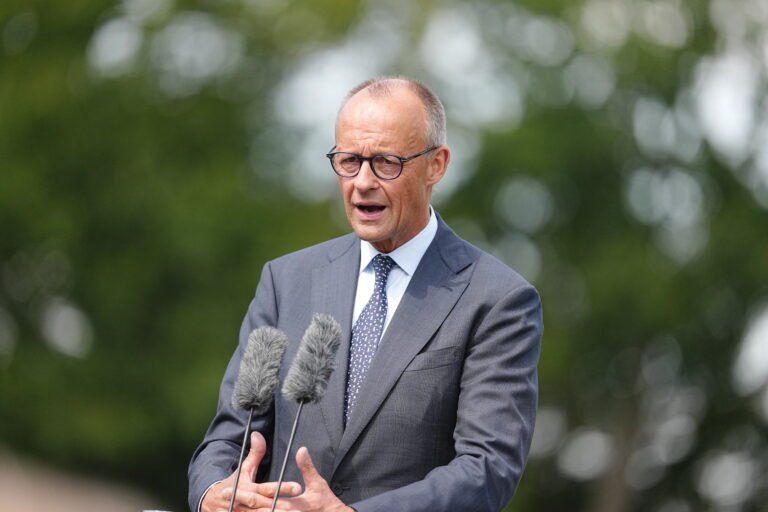
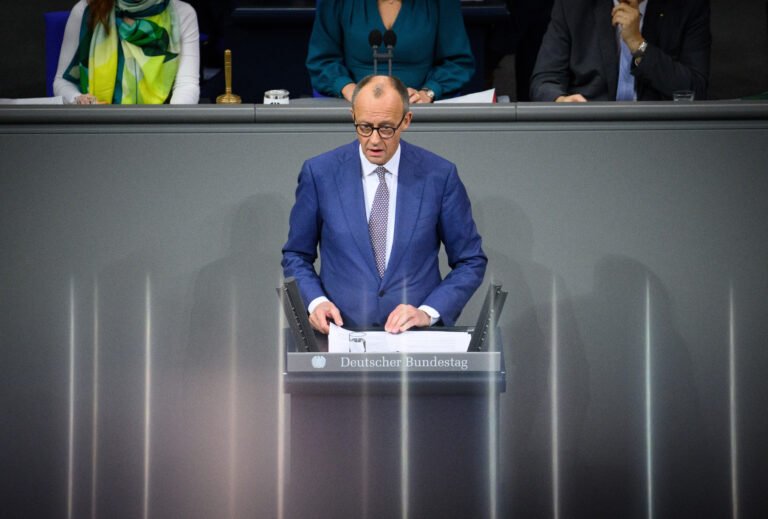
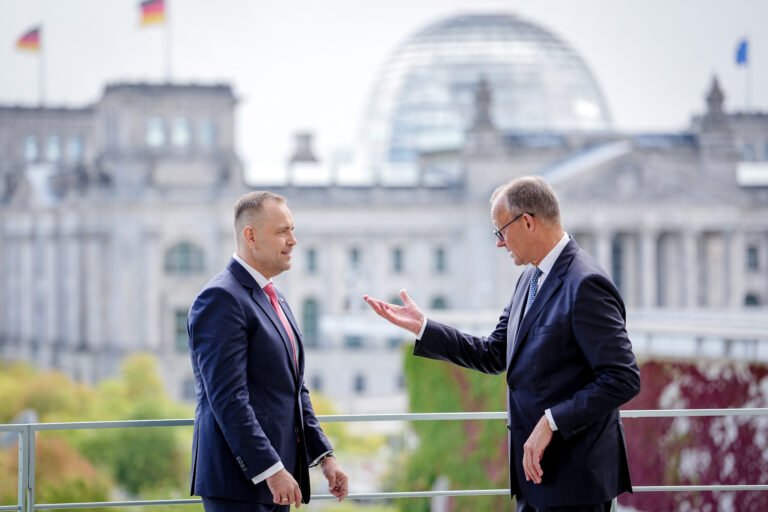
Berlin (dpa) – German Chancellor Friedrich Merz on Thursday pressed for a stronger Europe in a major speech on foreign policy that covered proposals for reform in Brussels, the peace in Gaza and the ongoing conflict in Ukraine.
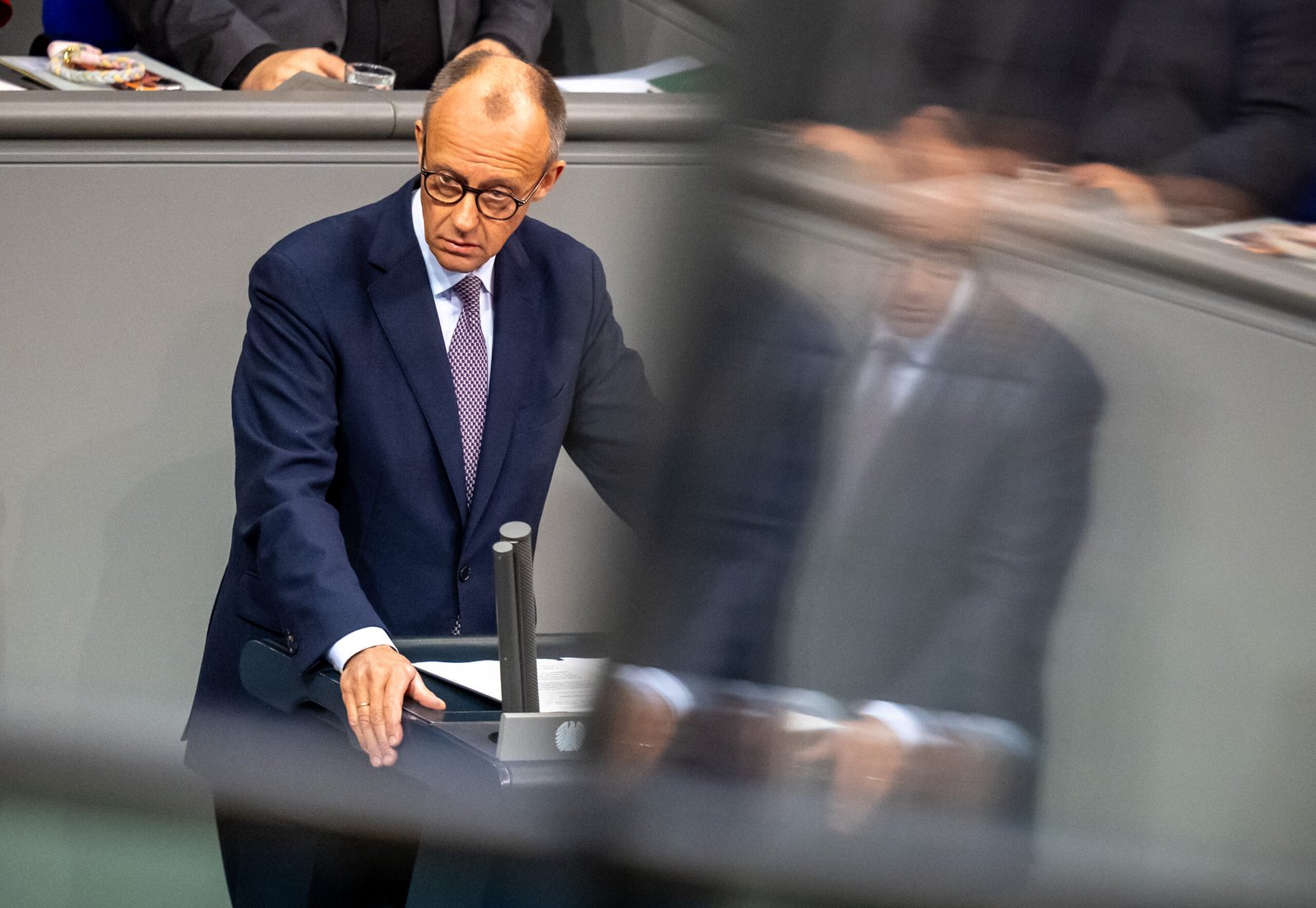
Speaking in the Bundestag, Germany’s lower house of parliament, ahead of the European Council meeting next week in Brussels, Merz said the EU must learn from US President Donald Trump’s Gaza peace plan to act more “resolutely” on the global stage.
“In this world, which is becoming and has become rougher, the following applies: only strength preserves peace,” said Merz. “And weakness causes peace to falter.”
The chancellor spoke about his attendance at the ceremony in Egypt’s Sharm el-Sheikh on Monday, where leaders of mediating countries Qatar, Egypt, Turkey and the United States signed a declaration to consolidate a ceasefire deal between Israel and the Palestinian militant group Hamas.
“Political action makes a difference in this world, for better or for worse,” said Merz. “Europe must utilize its opportunities more resolutely and with greater unity, and must use its power to shape the world for the better.”
To become a global advocate for peace, the EU must become stronger, Merz said.
Push for EU economic reforms
Peace in freedom can only succeed where it is underpinned by economic and political strength and determination as well as military capability, he added, calling for wide-ranging economic reforms to make the EU more competitive.
“Europe will only become more productive if it changes fundamentally,” Merz said. This means an end to regulatory frenzy, faster procedures, open markets and more innovation, he argued.
The chancellor emphasized that the proposed reforms do not contradict Germany’s commitment to achieving its target of climate neutrality by 2045. The EU is aiming for 2050.
But he said the targets should be achieved “not just with regulation and certainly not with bans, but with open technology, with innovation, with competitiveness, especially in technologies that make environmental protection possible in the first place.”
Merz also called for the growth potential of the European single market to be better utilized.
For example, companies need a sufficiently broad and deep European capital market in order to be able to finance themselves better and faster, he argued.
“We need a kind of European Stock Exchange so that successful companies such as BioNTech from Germany don’t have to go to the New York Stock Exchange,” Merz said.
The chancellor did not mention the EU’s planned ban on new petrol and diesel cars by 2035, a policy his conservative bloc wants to overturn.
Action plan on Russian hybrid threats
Merz also announced that the German government is developing a comprehensive action plan to defend against hybrid threats from Russia.
The country’s newly formed National Security Council is to discuss the plan at its constituent meeting in the coming days.
Merz accused Russia of wanting to destabilize Germany and Europe.
Moscow’s tactics include sabotage, espionage and murder, cyberattacks and targeted disinformation, “including from your ranks,” Merz said to the far-right Alternative for Germany (AfD).
The chancellor said Germany will “support Ukraine’s defensive struggle for as long as necessary.”
The upcoming meeting in Brussels is to include discussions on how to further increase the pressure on Russia to enter into peace negotiations with Ukraine, Merz said, in addition to the 19th sanctions package that is being negotiated.
He again proposed using the frozen assets of the Russian central bank to grant Ukraine a total of €140 billion ($163 billion) in interest-free loans.
These additional funds would be used exclusively to finance military equipment, while Ukraine would only repay the loans once Russia has paid reparations.
The proposal has faced opposition from other EU countries, including Belgium, where the Russian funds are held.
“We don’t want to do this to prolong this war, we want to do this to end this war as quickly as possible,” said Merz.
Source: dpa.com