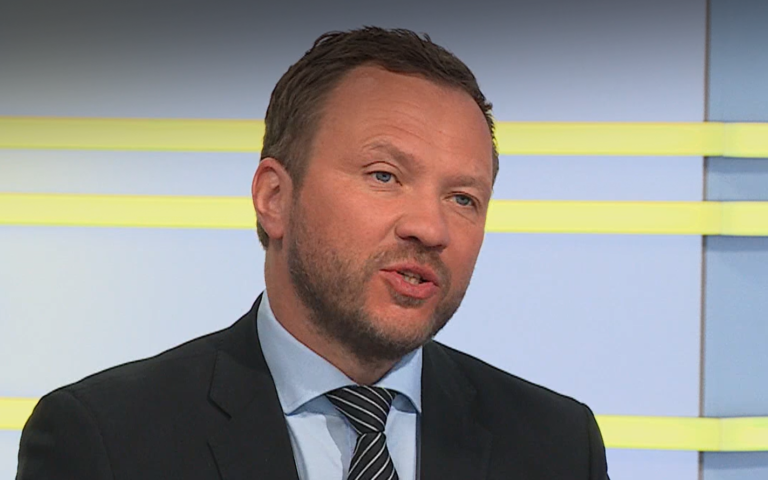
Dainis Gašpuitis, Economist at SEB Banka Latvia, has shared brief reflections on LinkedIn regarding the current situation in the Middle East and its potential implications for the global economy, financial markets, and Latvia.
He notes that the unfolding conflict increases the risk of higher inflation and greater economic uncertainty, though he emphasizes that it is still too early to draw firm conclusions. Much will depend on the trajectory, geography, and duration of the conflict — particularly its impact on energy supplies and shipping routes in the Persian Gulf.
“What is currently unfolding in the Middle East implies a risk of higher inflation and increased economic uncertainty, which would most likely translate into slower growth. However, it is still too early to state this with confidence.
In assessing the potential impact on global financial and commodity markets, the primary focus should be on the likely trajectory, geography, and duration of the conflict.
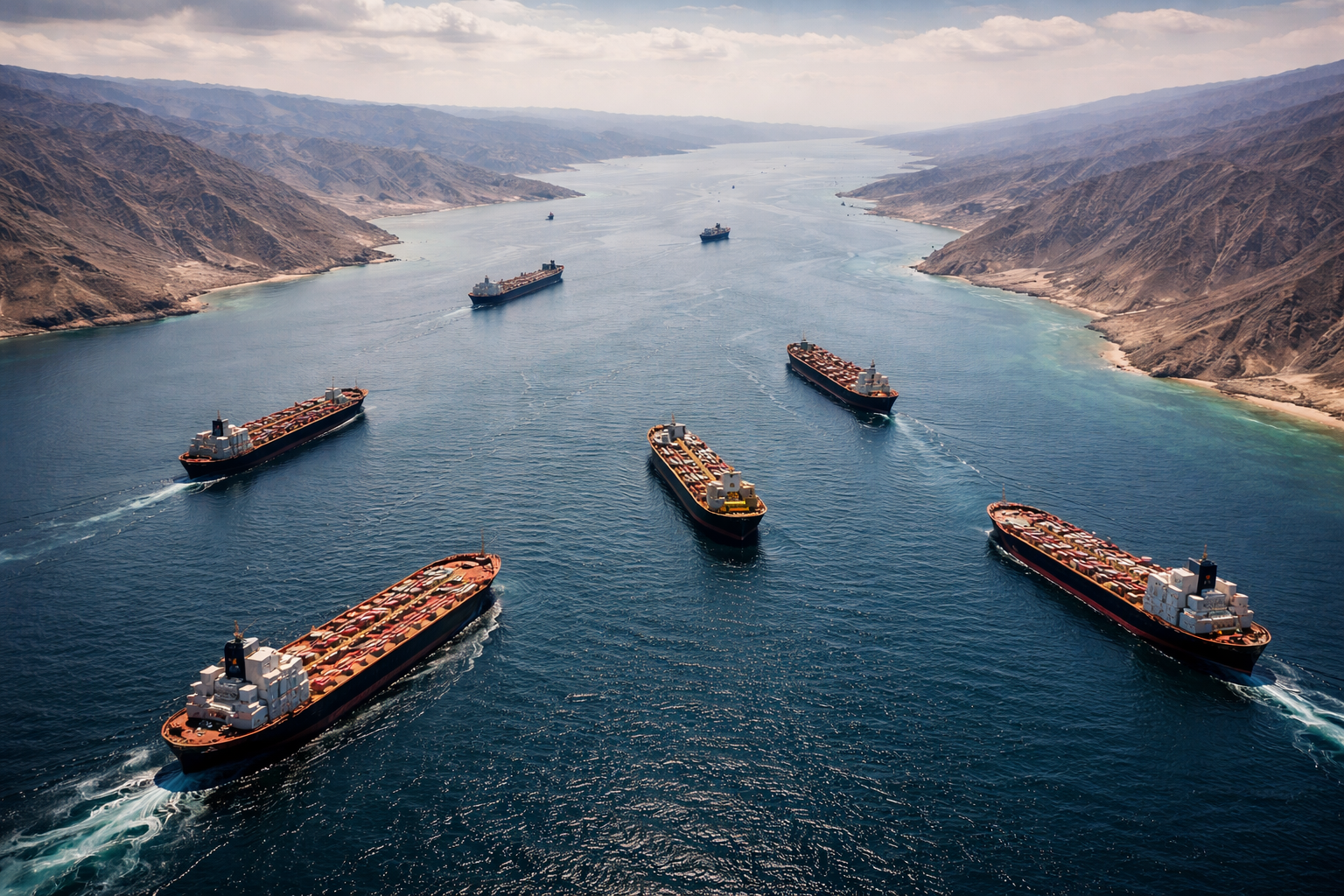
At present, the situation resembles an escalation scenario in which Iran perceives the conflict as an existential threat and may attempt to destabilize global energy markets and shipping routes in the Persian Gulf. Shipping through the Strait of Hormuz has reportedly been suspended, and some tankers and container vessels have halted operations. This could trigger further increases in oil and gas prices and spill over into fertilizer and other raw material markets.
The assassination of senior Iranian leaders does not, in itself, imply regime change. Iran’s political system is structured so that institutions — particularly the Revolutionary Guard and religious authorities — are capable of surviving the loss of individual leaders. As a result, the conflict could evolve into a prolonged war of attrition, with far-reaching consequences for both the global economy and Latvia.
A decisive factor will be whether the United States and Israel are able to sufficiently degrade Iran’s missile stockpiles and launch capabilities before air defense resources are depleted. The extent of Iran’s resilience remains a critical question. At the same time, the strategic objectives of the United States and Israel are not clearly defined. Is the goal to compel Iran into diplomatic concessions, to significantly weaken its military capabilities, or to rely on the possibility of internal regime destabilization?
If achievable political objectives are not clearly defined, there is a risk that the conflict could drag on, producing limited strategic results while maintaining elevated tensions in the markets and weighing on economic performance.
The main impact on global financial and commodity markets will therefore stem from uncertainty and risks to energy supply. Historically, oil markets react first and most sharply in such situations. The longer shipping disruptions persist in the Persian Gulf or the Strait of Hormuz, the greater the likelihood of further increases in oil and gas prices, which would affect fuel costs and broader input prices.
At the same time, mitigating measures are being implemented — including increased oil production — to reduce global stress. In financial markets, this environment implies heightened volatility. Investors are likely to become more cautious, demand for safe-haven assets may rise, and equity markets could experience corrections.
For Latvia, the most immediate impact would likely be felt in fuel and gas prices. If tensions ease in the near term, price increases would likely be temporary and limited. However, if the conflict becomes protracted, fuel prices could rise more persistently. Over time, this may also be reflected in higher food prices and other imported goods, contributing to inflation.
The development of the conflict remains unpredictable. It would be unwise to assume that it will be contained within four to five weeks. While the most intense phase may be relatively short, resolving the underlying disputes will likely require significantly more time. This means that even if tensions temporarily subside, risks are unlikely to disappear in the medium term.“
Source: LinkedIn