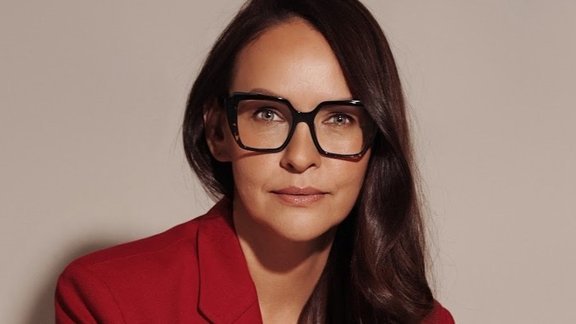
Latvia is no longer only a place where fintechs are born; it is becoming a place where they come to build, says Tīna Lūse, Managing Director of Fintech Latvia Association.
This is the fifth Fintech Pulse. When we started, Latvian fintech was underestimated, partly because nobody had measured it properly. If you cannot show what a sector contributes, you cannot have a serious conversation about policy. So we put the facts on the table first. Five years later, we can finally look back and say honestly where we are strong and where we still have work to do.
Latvian fintech is small at home and big everywhere else. Our home market is too small to build a business on, so a founder based in Latvia plans for Europe from day one. The lending, payments and investment platforms built here were designed to cross borders, and they still are. It is a profitable, export-driven sector, built largely by local founders. The Fintech Observatory now counts 148 companies, and if they were one taxpayer, they would be the ninth largest in the country. Of these 148 companies, 107 are of Latvian origin. In 2025, the sector generated 509.8 million euros in turnover, based on available comparable financial data, and paid 99.2 million euros in taxes. These are also some of the best-paid jobs in Latvia. Last year alone, the sector added 272 jobs, bringing total employment to 3,920. Labour taxes averaged 20.8 thousand euros per employee – 2.3 times the average across Latvian companies. Since 2021, turnover has grown by 82%, taxes paid by 88% and employment by 37% among the companies currently included in the Fintech Observatory.
What has changed this year is that the street now goes both ways.
Of the fintech companies registered in Latvia since 2021, 37% are of foreign origin. Latvijas Banka issued eight fintech licences in 2025 and 25 since the start of 2026, many of them to founders from Austria, Germany, Hungary, Israel, Lithuania, Poland and the US who chose Riga as their European Union base. Payments has overtaken lending as our largest segment – by the number of companies, with 36 in payments compared with 28 in lending – largely thanks to Markets in Crypto-Assets (MiCA) licences that usually come together with a payment licence. And since January, the specialised credit institution licence lets a company start a bank with 1 million euros instead of 5 million. It draws interest from fintechs both locally and from abroad, because it allows a more gradual start. At the same time, some of our fintechs have matured enough to aim for a full European Central Bank banking licence, and Mintos has publicly stated that ambition. Not every fintech should become a bank, but those that should can now do it here.
None of this happened by accident. Founders can meet the supervisor within days, not months. Latvia was the first country assessed in MONEYVAL’s new round, with a high or substantial rating on 10 out of 11 outcomes, so our reputation is no longer a weakness but an argument. And in a small country, decision-makers are within reach. Abroad, we have learned to show up as one ecosystem: in 2025 and 2026 we joined 10 trade missions and industry events in seven countries, from London to Japan, often together with the Investment and Development Agency of Latvia, our embassies and the country’s top leadership. The industry also comes to us now. This year Riga hosted four international fintech events; a few years ago, there were none. That shows how active and mature our ecosystem has become, and that the interest from abroad is real. It is also why we made Fintech Pulse a bigger event this year: we have grown, and we have something to say and to offer.
What we are working on now is keeping what makes Latvia work: accessibility, quality and credibility. Growth only matters if the reputation holds. Next is proportional supervision. A 10 – 20-person fintech and a large bank should not be supervised the same way; supervision has to fit a company’s size and maturity, and its impact on consumers and the financial system. Then there is speed. The regulation fintechs need to grow takes far too long to arrive, and that is not only a Latvian challenge but a European one. For several years I have been talking to different European Union fact-finding missions, and we still have no results to show for it. In the start-up world, a year is a lifetime; in European Union rule-making, it is barely enough for a first draft. If Europe wants to compete globally, it cannot continue like that. And at home, we keep raising awareness of the fintech ecosystem among our own policymakers, so they see it for what it has become: a sector that pays its taxes, creates well-paid jobs and takes Latvia to the world.
Our strategy goal for 2027 is not a bold one: 30% more fintech companies, 15% more investment and 18% more jobs. I can see that we are well on our way to reach it. But for me, it is more important not to chase abstract numbers, but to create the most accessible and supportive, yet credible fintech ecosystem in the world. We already have mature fintechs that are turning into banks and successfully raising capital on public markets, from Nasdaq Riga to Frankfurt, and younger ones that attract venture capital. We want more of both. My wish is that the new cohort getting licensed now will follow the same path, because that shows the whole journey, from a licence to a public company, can start here.
We recently launched a podcast called Small Hub, Endless Opportunities, and I think the name says a lot about Latvian fintech. We may be a small country, but our ambitions reach far beyond our borders. The people and companies in this magazine are proof of that.