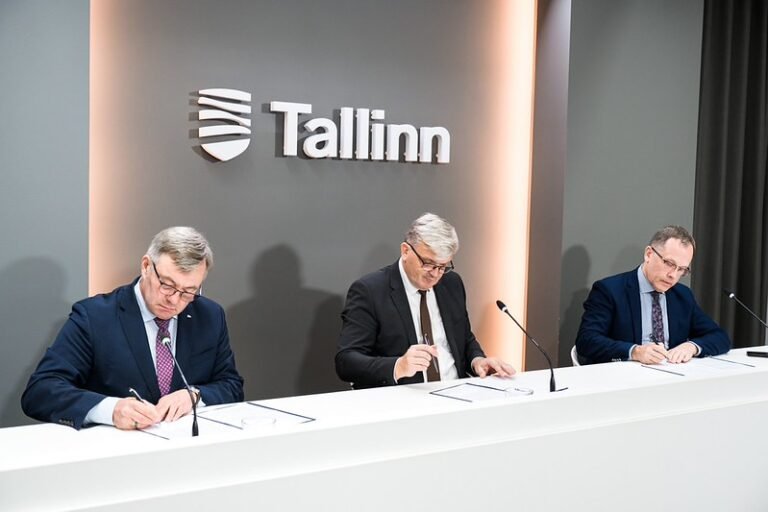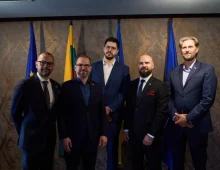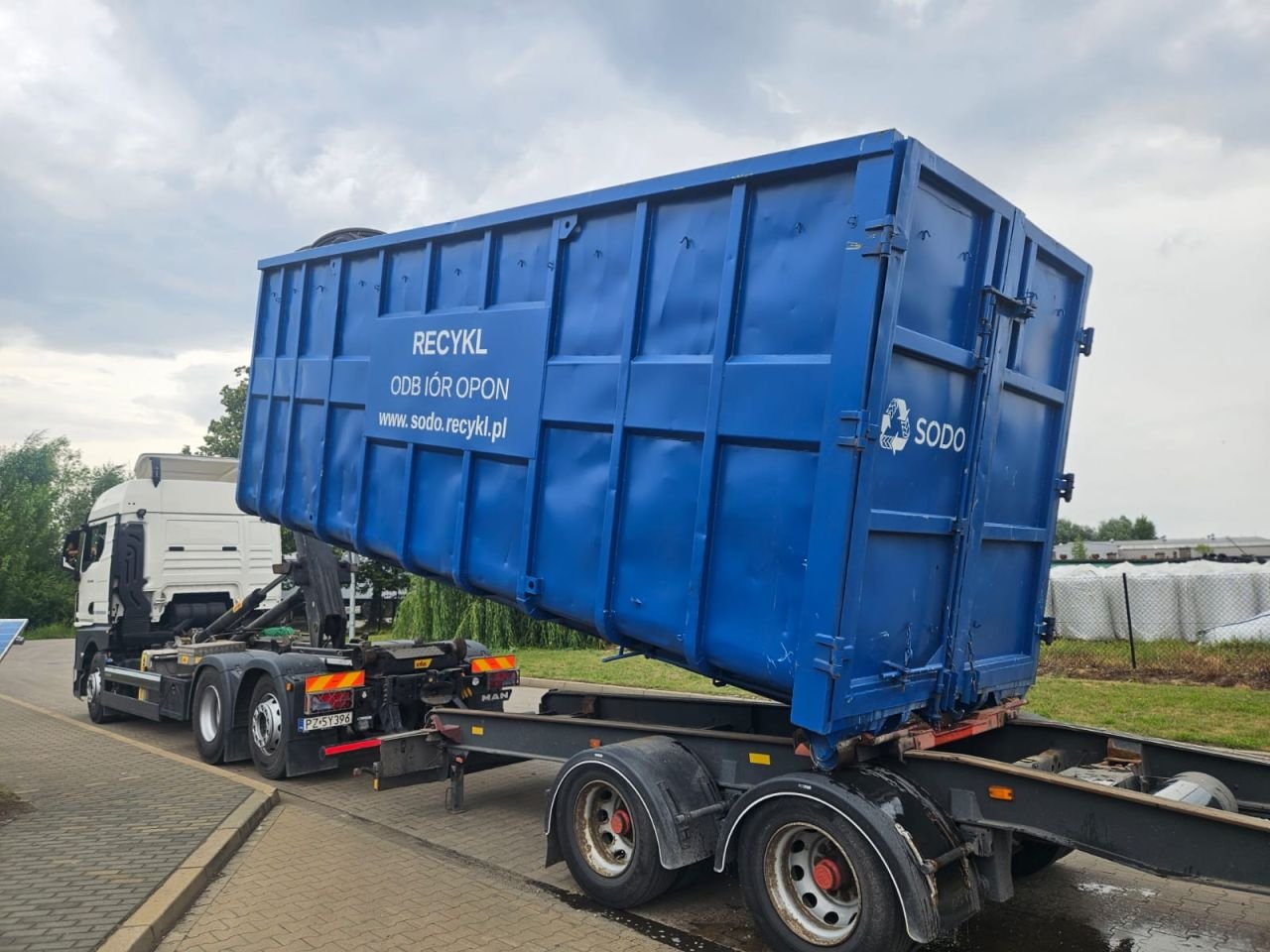
The signing of an agreement to supply a production line for SMAPOL, an additive for road asphalt, to Sweden is undoubtedly one of the company’s most important developments this year. Starting production of the additive on the other side of the Baltic Sea opens a new chapter for Grupa Recykl: licensing its own technology for converting textiles recovered from tyres into products for the road construction industry.
“This is the result of lengthy negotiations over recent months. We are entering a highly demanding and competitive Scandinavian market. It is a breakthrough for Grupa Recykl: SMAPOL is gaining not only new distributors, but also new producers and licensees outside Poland. I am confident that we will enter further markets. As before, however, we are developing our products and sales quietly, and we announce developments once they have happened.”
Another product that may reach foreign markets is Elitex, a filler for rubber compounds and thermoplastic polymers. It adjusts the mechanical properties of finished products while helping to reduce their carbon footprint and production costs. Discussions and assessments with international partners are ongoing, the company’s experts say.
Geopolitical uncertainty
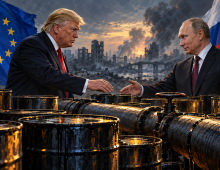
The company is feeling the effects of geopolitical factors on its operations more strongly than at any time other than the pandemic. This is especially true in logistics and transport, where the conflict in the Middle East has driven up fuel and energy prices. Drought conditions in Poland have also put pressure on energy prices. Globally, these developments could add to inflationary pressure, creating risks for the recycling industry and the wider economy. At the same time, relatively strong economic growth is supporting demand for Grupa Recykl’s products and services.
“We expect the market trends observed since the beginning of this year to continue in the coming months, both in Poland and at our Lithuanian company, Recykl Litwa,” says Maciej Jasiewicz.
After Lithuania, Germany
Grupa Recykl is continuing the investments it began last year in the Lithuanian company APG, which now operates under the Recykl Litwa brand. The investments focus on expanding its vehicle and container fleet and developing its tyre collection network.
“We plan larger investments in that market in the coming years, eventually including the launch of SMAPOL additive production. Steady expansion from Lithuania into other Scandinavian markets will be important,” says Jasiewicz.
Alongside its investments in Poland and Lithuania, the group continues to work towards completing its acquisition of the German company HRV. “I want to stress that the aim is not simply to close the transaction, but also to integrate the acquired company successfully. We must be prepared for various costs, unforeseen developments and investments. That is a normal part of any M&A transaction,” says the Grupa Recykl president.
Recycling gains importance
Changes to national and European regulations are a key factor affecting Grupa Recykl’s current and planned operations. In early August, Poland’s Ministry of Climate and Environment published a draft amendment to the legislation governing businesses’ obligations in managing certain types of waste, product fees and waste management. The proposed changes are significant for the waste management industry and are intended to bring Polish rules into line with EU circular economy standards.
For pneumatic tyres, the draft proposes higher recovery and recycling targets. It would also bring solid tyres into the extended producer responsibility system.
“I am convinced that, if the legislative process is successful and the changes enter into force, they will make the industry more professional, reduce the scope for unregulated activity and strengthen professional operators, to the benefit of end customers. The changes would also support circular economy and environmental goals. In addition, they would bring our industry closer to Western markets, including in the level of mandatory recovery and recycling targets,” concludes Maciej Jasiewicz.