During a trade mission organised by the Investment and Development Agency of Latvia (LIAA), Latvian life sciences companies, universities and healthcare institutions met with German medical technology, biotechnology and life sciences companies and research organisations in Berlin. The delegation presented Latvia’s capabilities in pharmaceuticals, medical technologies, digital health and the use of health data. The discussions focused primarily on joint product development, clinical research and opportunities for Latvian companies in the German market.
The life sciences programme began on 16 September with a visit by the Latvian delegation to the Campus Berlin-Buch science and biotechnology campus and BiotechPark Berlin-Buch. The site brings together biomedical research institutions, clinics and biotechnology companies. The Latvian delegation learned about the infrastructure available for business development and discussed opportunities for cooperation with German researchers and entrepreneurs.
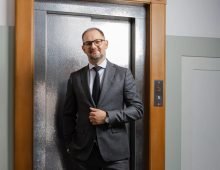
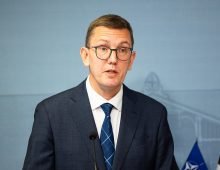
As Minister of Economics and head of the delegation Viktors Valainis emphasised during the visit: “Germany is not a new market for Latvia’s life sciences sector — in 2025, Latvia’s pharmaceutical exports to Germany reached EUR 44.3 million. This provides a strong foundation for the next step. Our objective is not merely to sell more finished products, but to establish cooperation throughout the entire development cycle — from research and clinical trials to manufacturing, certification and distribution. Germany’s scientific and clinical capacity, industrial scale and market access, combined with the ability of Latvian companies to develop and implement new solutions rapidly, can create competitive products for the entire European market.”
On 17 September, the delegation also visited BIOTRONIK, a Berlin-founded medical technology company that develops cardiovascular care and neuromodulation solutions and operates in more than 100 countries.
From a biotechnology park to a hospital
The delegation also visited the German Heart Center at Charité, one of Europe’s leading cardiovascular medicine centres. It comprises seven clinics and two institutes and provides inpatient treatment to approximately 20,000 patients annually.
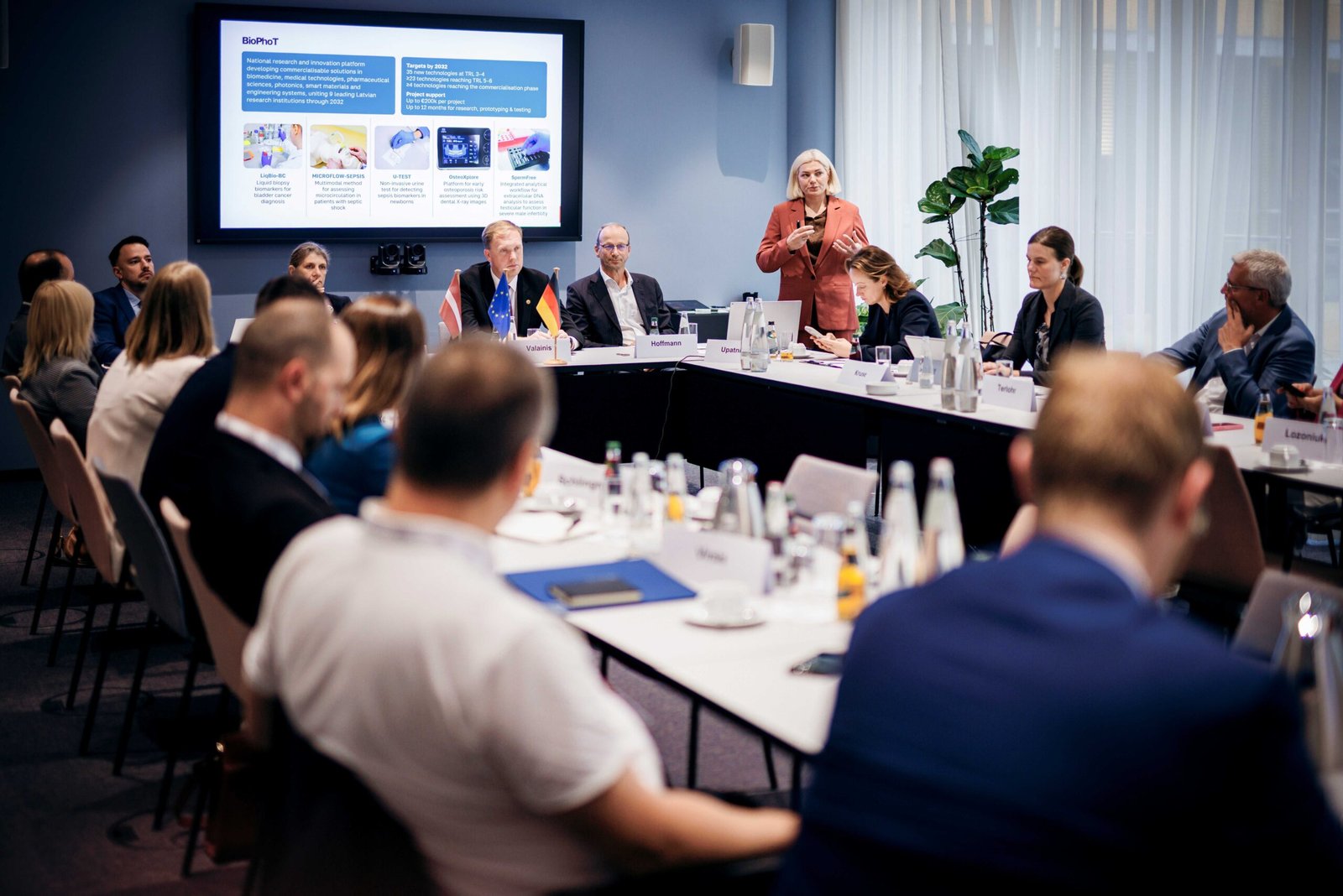
The programme continued with a round-table discussion involving representatives of the Latvian and German life sciences sectors. Companies, researchers, healthcare institutions and industry organisations discussed cooperation in digital health, medical technologies, artificial intelligence, health data and innovative healthcare services. The event was organised in cooperation with the German Eastern Business Association, the German Health Alliance and Berlin Partner, the city’s business and technology development agency.
“The strength of this delegation lies in its composition — Latvian companies travelled to Berlin together with hospitals, universities and research organisations. This enabled us to demonstrate to German partners not only individual products, but Latvia’s capabilities throughout the entire life sciences value chain — from research and the use of health data to clinical environments and manufacturing. The sectoral programme included visits to research centres, hospitals and medical technology companies, while individual business meetings allowed companies to approach the partners most relevant to them. LIAA will continue working with the contacts established in Berlin to help the most promising discussions develop into concrete agreements,” said Vita Balode-Andrūsa, Director of LIAA’s Export and Innovation Services Department.
The Berlin-Brandenburg region is one of Germany’s most important centres for life sciences and healthcare. Approximately 22,000 companies operate in the region’s healthcare sector, employing around 410,000 people. Berlin alone is home to more than 300 biotechnology companies and over 380 medical technology and digital health companies.
Latvia represented by companies, hospitals and research organisations
The life sciences business delegation included ARMGATE, Continental Structures, Double Helix Technologies, GASTRO CENTRS, MentatCore, Olpha, PrintyMed and The Force Latvia.
The delegation also included representatives of the Latvia University of Life Sciences and Technologies, the Latvian Academy of Sciences, the National Research and Innovation Institute, Pauls Stradiņš Clinical University Hospital, Riga East Clinical University Hospital, Rīga Stradiņš University, the Association of Latvian Chemical and Pharmaceutical Industry and Turība University.
Latvia’s offering covered pharmaceuticals, medical devices, biotechnology, health data infrastructure, artificial intelligence solutions for healthcare institutions and laboratory data integration. In Germany, the companies sought research and clinical partners, medical device manufacturers and distributors, technology integrators, investors and opportunities for cooperation in product certification.
For example, ARMGATE presented INCORI HeatGuard, a neonatal thermal care system developed in Latvia. It is designed to maintain a stable temperature for newborns both in a cot and during skin-to-skin contact with their parents. In Germany, the company sought partners for the product’s further development, certification, clinical testing, manufacturing and distribution.
“Latvia has particularly strong expertise in pharmaceuticals, biomaterials, precision medicine, biomarker research and diagnostic solutions, as well as medical technologies and digital health. These are precisely the areas in which we see the greatest export potential. We already have a solid foundation for cooperation with Germany — the Rīga Stradiņš University branch in Stade. Rīga Stradiņš University can help German partners develop solutions for earlier and more accurate diagnoses, as well as provide testing and validation of new health technologies in simulated environments and in cooperation with clinical partners. We are open to cooperation with German companies, universities and hospitals on joint product development, research, technology commercialisation and the implementation of international research and innovation projects,” said Agnese Oļševska, Director of the Innovation Centre at Rīga Stradiņš University.
Trade mission covers several technology sectors
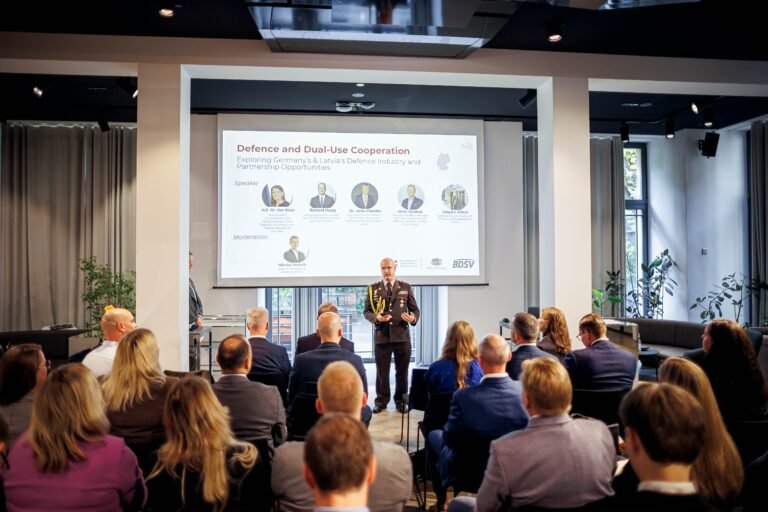
The Latvian business trade mission to Germany, organised by LIAA, took place from 14 to 17 September. It brought together 53 Latvian companies and organisations representing information and communication technologies, financial technologies, life sciences, and defence and dual-use technologies. The programme was organised by sector, combining company visits and joint events with individual business meetings.
Germany is Latvia’s largest export market outside the Baltic states. Since 2020, Latvian exports of goods and services to Germany have increased by more than 40%, rising from EUR 1.47 billion to approximately EUR 2.1 billion in 2025. Last year, Latvia exported more to Germany alone than to the United States, France and China combined.
Growth has continued this year: during the first half of 2026, exports to Germany increased by 11%, while Latvia’s total exports grew by 6%. Germany is also Latvia’s largest export market for services, with service exports reaching EUR 779 million in 2025. More than 1,000 companies with German capital operate in Latvia, with their combined investment in share capital exceeding EUR 800 million.
LIAA organises participation in foreign trade missions under the European Union co-financed Innovative Business Development Programme for Small and Medium-sized Enterprises. The programme is supported by funding from the European Regional Development Fund and the Latvian state budget. Companies may participate in trade missions either for a fee or by receiving support to cover eligible costs.