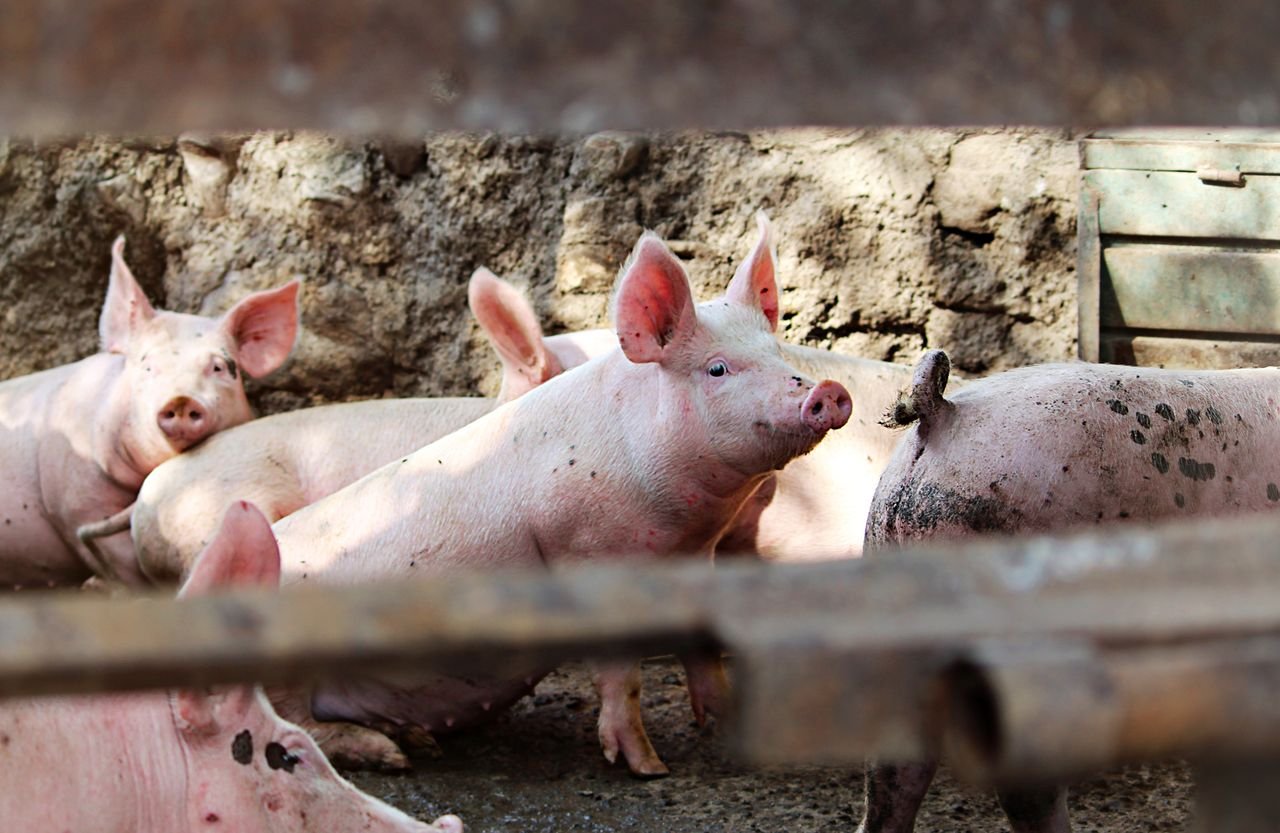
Following the African Swine Fever (ASF) outbreak earlier this year, Vaiņodes Bekons Ltd. has gradually resumed operations. The mandatory monitoring period imposed by the Food and Veterinary Service has been successfully completed, and more than 1,000 breeding gilts have already been introduced to the farm, marking the full-scale rebuilding of the breeding sow herd.
The first shipment of breeding gilts arrived at the farm at the end of May, immediately after receiving approval from the Food and Veterinary Service. Following the successful completion of the monitoring period in June, the company accelerated the herd rebuilding process. The remaining breeding stock is expected to be introduced in the coming months, with the goal of restoring the herd to approximately 1,500 sows and gilts by the end of the year – the same level as before the disease outbreak.
The breeding gilts are sourced from DanBred, Denmark’s leading pig genetics company, and meet the highest health standards. As before, the company will continue to raise its own replacement gilts at the Vaiņode farm, ensuring the long-term sustainability and genetic quality of its breeding herd.
“The beginning of this year was an extremely challenging period for the company, but today we can confidently say that we have returned to a path of growth. Herd rebuilding is progressing according to plan, and each new group of animals brings us one step closer to fully resuming operations. Our objective is not only to restore previous production levels but also to build an even safer and more modern farm,” the company’s management said.
Alongside the restocking of animals, the company is implementing a comprehensive farm modernization program. Farm buildings are being renovated, production equipment is being upgraded, and significant investments are being made to further strengthen biosecurity. To minimize disease risks, additional perimeter fencing is being installed, new logistics infrastructure is being developed, and several other key construction projects are underway.
Total investments in breeding livestock, farm modernization, and biosecurity improvements are expected to exceed EUR 1.5 million. In addition, the company will require significant working capital until sales of market pigs resume, which is not expected before April 2027.
The company’s recovery is being supported through several sources of financing. State compensation provided by the Government of Latvia for ASF-related losses played a critical role, enabling the company to begin rebuilding the herd and make additional investments in biosecurity. The recovery is also supported by the company’s retained earnings, while the working capital required over the coming year is being financed through a EUR 2 million credit facility provided by Signet Bank.
“Agriculture and food production are strategically important sectors of Latvia’s economy. As a financial partner, we believe it is essential to provide financing to businesses that are prepared to recover from challenging circumstances and return to sustainable growth. We particularly appreciate Vaiņodes Bekons Ltd.’s ability to swiftly complete all the necessary preparations for resuming operations. This clearly demonstrates the team’s professionalism and responsible approach to business development,” said Ineta Done, Member of the Management Board of Signet Bank.
Overall, the Latvian government allocated EUR 2.1 million in compensation to cover the company’s losses, including the costs associated with the mandatory culling of animals and partial compensation for losses resulting from the ASF outbreak.
Vaiņodes Bekons Ltd., part of Amberstone Group, is one of Latvia’s largest pig farming operations. The company’s production capacity enables it to raise more than 40,000 market pigs annually.
Vaiņodes Bakons is also a major employer in the South Kurzeme region. The resumption of its operations is important not only for the company itself but also for the regional economy, local employment, and Latvia’s food production sector as a whole.