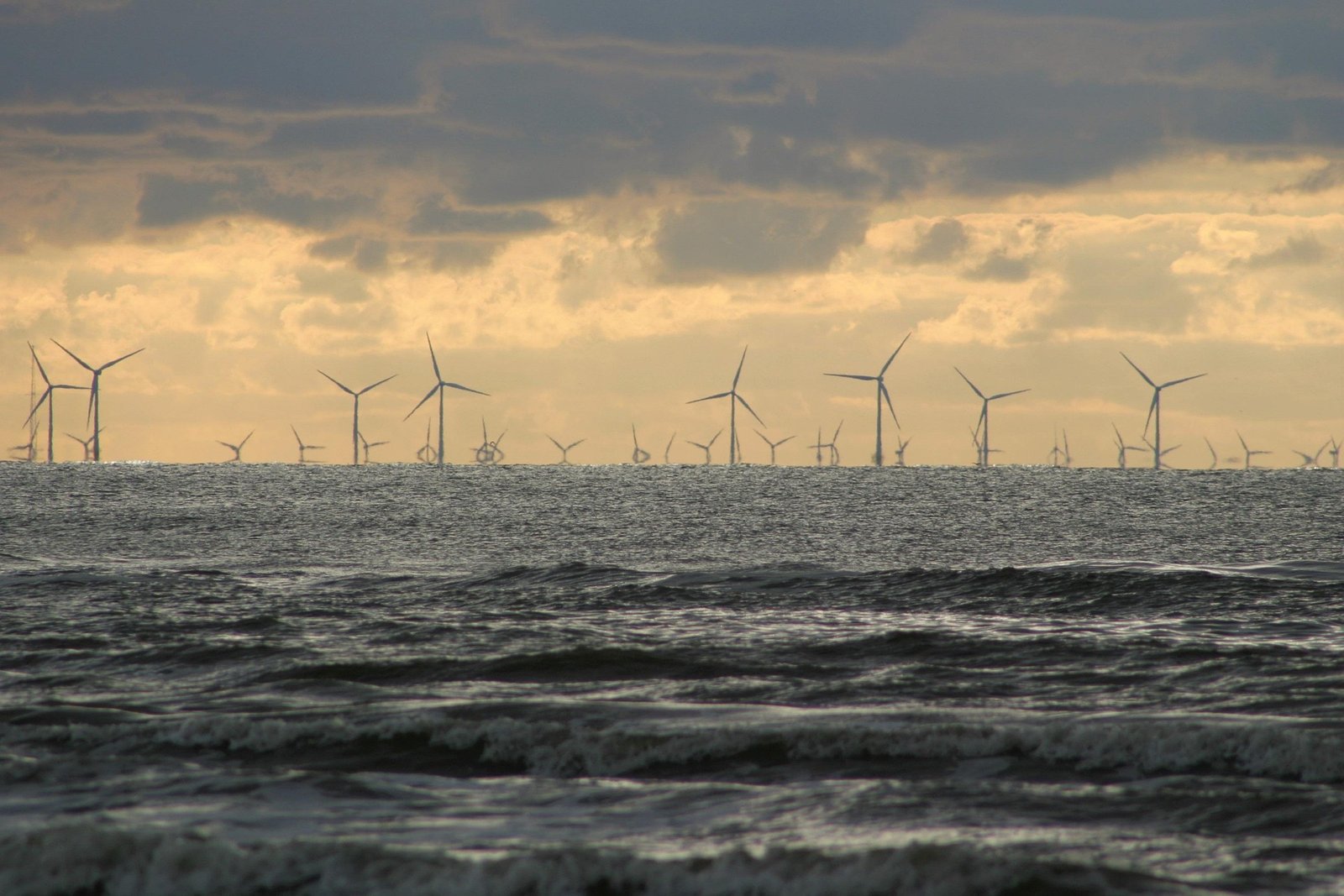
The latest survey data show that public awareness in Latvia about wind park development plans and energy security issues is gradually increasing. For example, 65% of respondents in a survey conducted by Norstat Latvia report that they are at least somewhat informed about the plans to develop offshore wind park in Latvia. At the same time, society increasingly supports a “moderate” development approach – more and more residents believe that Latvia should become an energy-neutral country and produce only as much electricity as it consumes domestically.
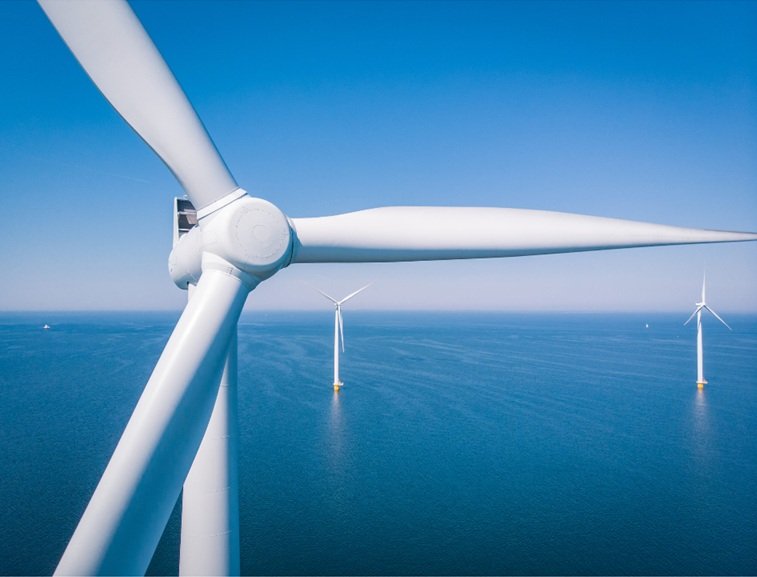
A survey commissioned as part of the ELWIND project shows that public awareness of the joint Latvian–Estonian initiative to develop an offshore wind park in the Baltic Sea has increased. This year, 65% of respondents say they are aware of the project (61% last year). Most people have heard about the project but are not familiar with all the details, while only a small share report having a very good understanding of it.
When discussing the future of electricity generation, the prevailing view in society is that Latvia should first ensure it can meet its own energy needs – 46% of respondents share this opinion (43% last year). At the same time, 40% of residents see Latvia as a potential electricity-exporting country. This demonstrates that society expects long-term and strategic solutions for achieving energy independence. The ELWIND project is one of the key steps in this direction, strengthening both energy security and Latvia’s competitiveness in the region.
“Growing public awareness is a positive signal, even though discussions about wind parks are often controversial. Energy independence, economic growth and climate neutrality are not just slogans – they are concrete objectives that will shape Latvia’s competitiveness in the future. In Europe, offshore wind energy is one of the fastest-growing industries, and the Baltic Sea is considered a particularly promising region for its development. Therefore, offshore wind projects are a strategic solution that simultaneously strengthens the economy and reduces dependence on imported energy resources,” emphasizes Deputy Director of the Investment and Development Agency of Latvia (LIAA) Laura Štrovalde.
A majority of the public – 53% – supports the construction of an offshore wind park off the Kurzeme coast. Meanwhile, 28% oppose the idea, and nearly one-fifth of respondents have not yet formed a clear opinion. If the planned ELWIND wind park were to be developed, half of respondents – 50% – believe it would have a positive impact on Latvia’s economy. Among them, 7% expect a very positive impact, while 43% believe the impact would be rather positive. Meanwhile, 16% consider the impact to be neutral.
The survey was commissioned by LIAA and conducted in February 2026, surveying 2,018 Latvian residents aged 18 to 75. The survey questions and more detailed results are available at: https://www.liaa.gov.lv/lv/elwind-aktualitates.