By Jurga Bakaitė, LRT.lt.
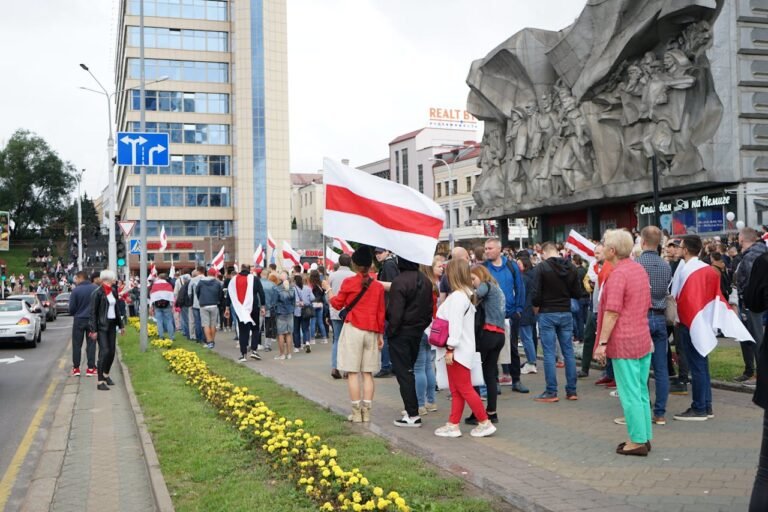
As debates over Russian-speaking migrants intensify, Lithuanian politicians warn of potential threats to society, while others point to structural barriers that make integration difficult, particularly the lack of accessible Lithuanian language courses.
Speaking at the Būtent! festival, Seimas member Laurynas Kasčiūnas of the conservative Homeland Union party (TS-LKD) said Lithuania previously “underestimated the challenges of legal migration”, including the influx of Ukrainian war refugees. He estimates that around 204,000 foreigners currently live in Lithuania, including 70,000 Ukrainians, 40,000 political refugees, and others arriving for work. About 50,000 employed foreigners are from Belarus, who now face stricter residency requirements.
“The main driver is business interests, especially in sectors eager to open our doors,” Kasčiūnas insisted. He argued migrants should only be admitted if local workers are unavailable, and warned that quotas pressure businesses to request more foreign labour.
Kasčiūnas, who plans a stricter migration stance as head of the TS-LKD party, has proposed requiring migrants to learn Lithuanian.
Evelina Gudzinskaitė, director of Lithuania’s Migration Department, emphasised that most Russian-speaking migrants are Ukrainian war refugees. “We should not expect them to speak Lithuanian immediately,” she said, noting that 85% of all foreigners in Lithuania come from former Soviet states, with Belarusian migration declining. About 200–300 new Ukrainian refugees still arrive weekly.
Read more: LRT.LT