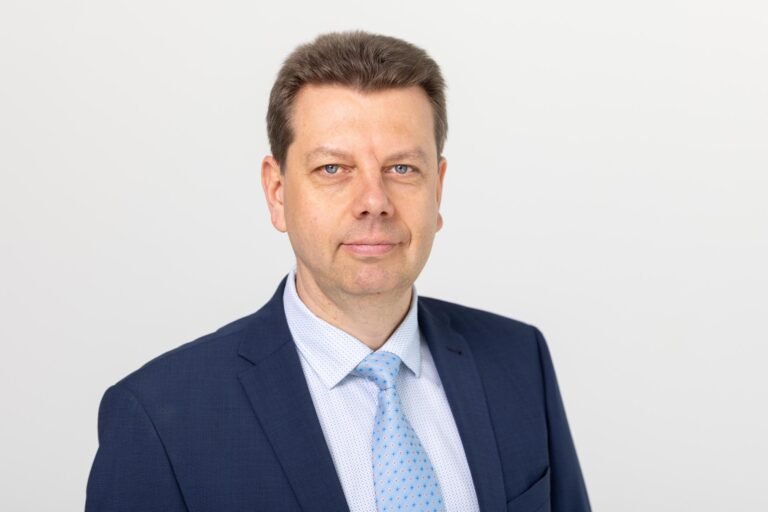
Latvia’s United List, led by Prime Minister Andris Kulbergs, has won the October 3 parliamentary election, securing approximately 35% of the vote and a projected 42 seats in the 100-member Saeima. The preliminary results put Kulbergs in a strong position to lead negotiations on the next government.
With virtually all votes counted, six political forces have crossed the 5% threshold required to enter parliament. United List holds a substantial lead over its nearest competitors, although it will still need coalition partners to secure a parliamentary majority.
The Union of Greens and Farmers fell below the electoral threshold and is set to lose its parliamentary representation.
A coalition bringing together United List, the National Alliance and New Unity would control 59 seats, providing a working majority. United List and the National Alliance could also reach a narrower majority of 52 seats. These remain possible arrangements rather than an agreed government.
Latvia First and Sovereign Power/New Latvians together are projected to hold 32 seats, giving them a substantial parliamentary presence. Their ability to shape government policy will depend on the outcome of coalition negotiations.
Voter turnout reached approximately 51.8%, compared with around 59.4% in the previous parliamentary election in 2022. Despite the decisive result for the leading party, nearly half of eligible voters did not participate.
Security and economic concerns featured prominently in the campaign. Kulbergs has pledged to continue supporting Ukraine, strengthen Latvia’s defence capabilities and improve governance while reducing bureaucracy.
Attention now turns to the formation of the next government. President Edgars Rinkēvičs will nominate a candidate for prime minister, who must assemble a cabinet capable of winning parliamentary approval.
The election results remain preliminary pending formal confirmation. The new Saeima will serve a four-year term.