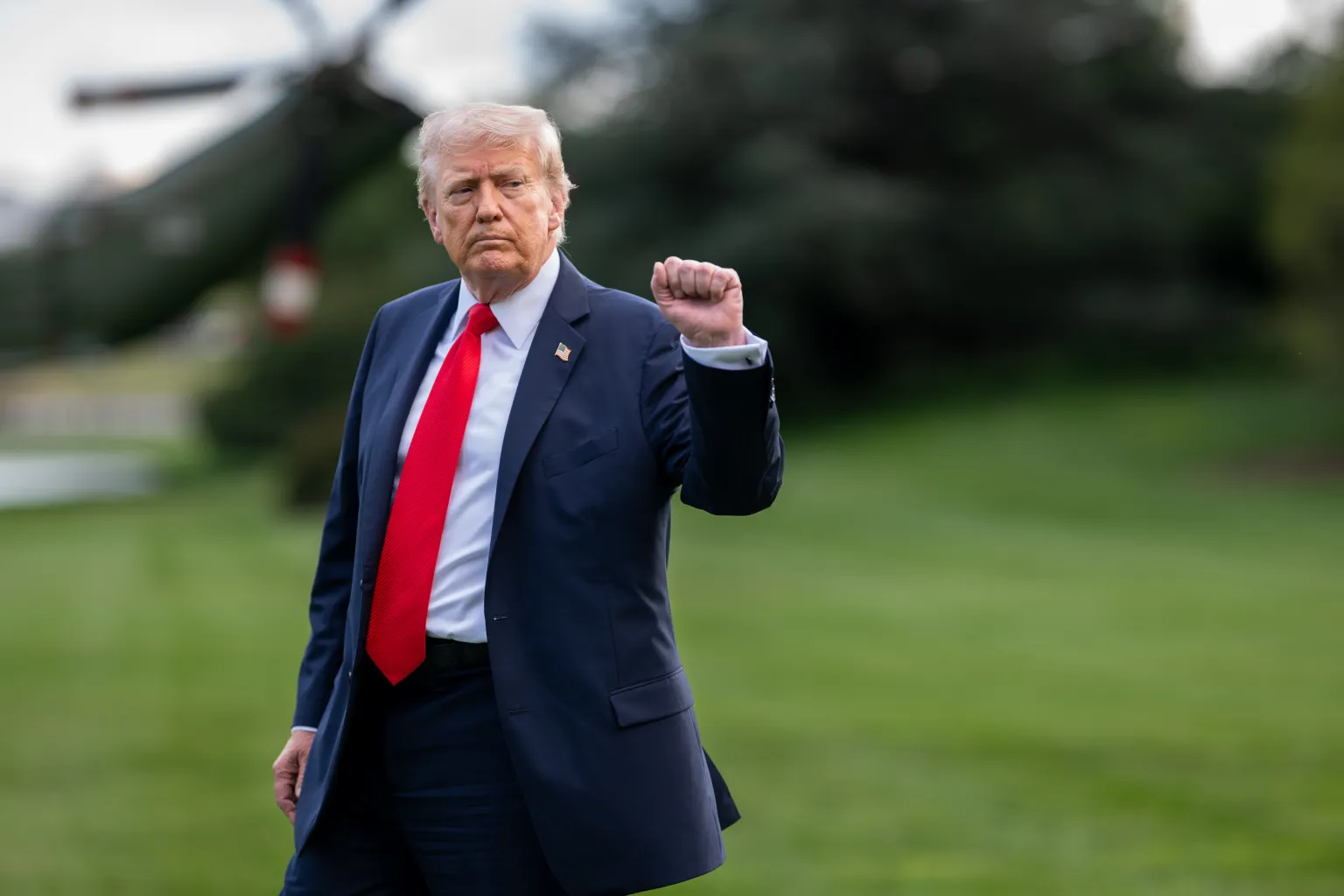
President Donald Trump has unveiled one of his administration’s most dramatic immigration overhauls yet, signing an executive order that imposes a $100,000 fee on applications for H-1B visas, CNN and MCN report. The measure, described by Trump as a way to ensure America attracts only the “greatest workers,” is designed to discourage what the White House calls overuse of the program while steering companies toward hiring U.S. talent. Officials explained that employers could either pay the sum annually or upfront, depending on ongoing discussions with the Department of Homeland Security.
At the same time, Trump introduced a new “gold card” immigration pathway that would allow wealthy foreigners to fast-track visas if they pay $1 million personally, or $2 million if the fee is covered by a sponsoring company. Commerce Secretary Howard Lutnick, who shaped the plan, said the initiative would prioritize “extraordinary people at the very top” while discarding what he called the “bottom quartile” of applicants brought in through existing green card routes.
The dual measures could profoundly reshape the balance of U.S. immigration. H-1B visas, which allow highly skilled foreigners to work in specialized fields for up to six years, are capped at 65,000 annually with an additional 20,000 reserved for holders of advanced U.S. degrees. Demand routinely exceeds supply, forcing a lottery system. Tech firms, in particular, have long relied on H-1B workers to fill talent shortages. Economists argue the program helps keep U.S. companies globally competitive and even creates domestic jobs. But Trump and his allies contend that H-1Bs are often misused to replace American workers with cheaper labor.
The announcement highlights Trump’s shifting stance. As a candidate in 2016, he blasted H-1Bs as a tool to undercut American labor. During his presidency, he repeatedly restricted visa access, especially amid the pandemic. Yet on the 2024 campaign trail, he softened his tone, praising the program and hinting at legal pathways for foreign graduates of U.S. universities. His latest order suggests a return to hardline instincts, albeit packaged with a premium option for those able to pay.
Critics warn the $100,000 fee could severely disrupt industries that depend on international expertise, while the “gold card” risks creating a two-tier immigration system privileging the ultra-wealthy. Supporters argue the measures will protect American jobs and attract world-class innovators. Either way, Trump has once again put immigration at the heart of his political agenda — this time by attaching a hefty price tag to opportunity.