The Agriculture Ministry has officially proposed that the government declare a state of emergency in the agriculture sector throughout the entire territory of Latvia from August 4 to November 4, 2025, in order to address the damage caused by frost, heavy rainfall, and flooding this year.
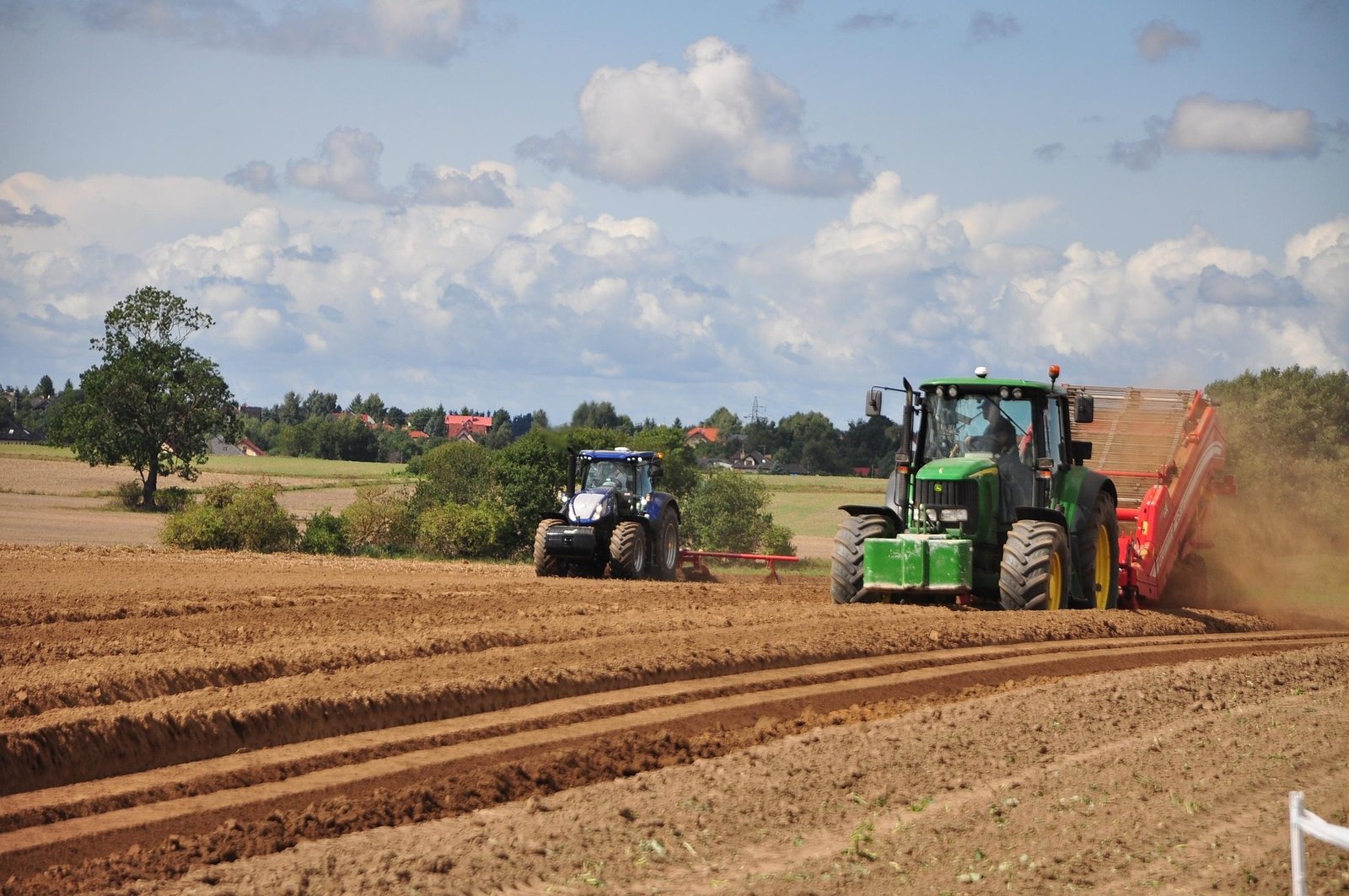
According to a draft decree submitted by the ministry, adverse weather conditions since May 2025 have flooded farmland across many regions of Latvia, significantly reducing crop yields and completely destroying crops on some farms. Excess soil moisture has also hindered access to fields by farming machinery, delaying or even preventing the cultivation and harvesting of crops. These delays have led to the germination of unharvested crops, severely affecting their quality.
The ministry notes that excessive moisture has caused grain, legumes, potatoes, and other crops to rot in many fields. In several areas, farmers were unable to plant crops in time – some fields remain entirely unsown and uncultivated.
Significant losses have also been reported by fruit growers due to spring frosts, which damaged blooming fruit and berry trees, and by prolonged rains and flooding during the summer. Cattle farms, too, have suffered as a result of these adverse weather conditions.
This is the third consecutive year that Latvia’s agricultural sector has been impacted by extreme weather, the ministry explains, with the cumulative effects posing a serious threat to the viability of many farms.
Data from the Environment, Geology and Meteorology Center indicate that rainfall in May and June 2025 significantly exceeded monthly averages, particularly affecting central and eastern Latvia. In May, rainfall reached 84.7 millimeters – 68 percent above the norm. In June, it totaled 91.1 millimeters – 30 percent above the norm. During the first ten days of July, rainfall was 25.6 millimeters – 12 percent above the norm – followed by 35.1 millimeters in the second ten days – 40 percent above the norm.
By July 10, farmers had reported 51,498 hectares of agricultural land damaged or left unsown due to frost and excessive rain, with estimated losses totaling EUR 63.886 million, the ministry states in its report to the government.
As farmers continue to submit damage reports to the Rural Support Service, the total affected area and financial losses are expected to increase further. The ministry warns that the true extent of the damage may be significantly higher, as not all farmers have reported their losses yet.
The ministry emphasizes that farmers are bound by financial and contractual obligations with partners and buyers, including the delivery of agricultural products. The ongoing unfavorable conditions have raised serious concerns about farmers’ ability to fulfill these obligations.
This issue is especially critical for agricultural cooperatives that handle the marketing and export of their members’ produce. Grain is a key segment of Latvia’s agricultural exports, and failure to meet delivery contracts could damage both the sector’s international reputation and Latvia’s overall export performance.
The ministry stresses that declaring a state of emergency would allow the government and relevant authorities to activate legal mechanisms for handling force majeure or exceptional circumstances. These may include the option of waiving penalties or applying other relief measures for farmers impacted by the 2025 weather events.
Additionally, banks and other stakeholders in Latvia and abroad would be able to consider suspending penalties on affected farmers who are unable to meet their contractual obligations, helping them stay solvent and continue production in future seasons.
The Agriculture Ministry has also submitted its damage estimates to the European Commission and is seeking ways for Latvian farmers to receive compensation from the EU budget for losses resulting from this year’s extreme weather.
Furthermore, farmers may apply to the State Revenue Service to request that overdue tax payments be rescheduled over a period of up to one year.
Earlier today, following a meeting with Agriculture Minister Armands Krauze (Greens/Farmers), President Edgars Rinkēvičs also urged the government to declare a state of emergency in agriculture to ensure that farmers can receive the necessary support in a timely and efficient manner, the President’s Chancery informed LETA.
Source: BNS
(Reproduction of BNS information in mass media and other websites without written consent of BNS is prohibited)