By Edgaras Savickas, LRT.lt.
A row has broken out in Lithuania over who should set the price of a ride or a food delivery – a human being or a piece of software. The dispute cuts to the heart of a broader European debate about the rights of gig workers, and Lithuania must resolve it by December.
Because gig workers are classed as self-employed rather than employees, platforms are under no obligation to meet the statutory minimum wage – and lawyers who advise drivers and couriers say some currently do not.
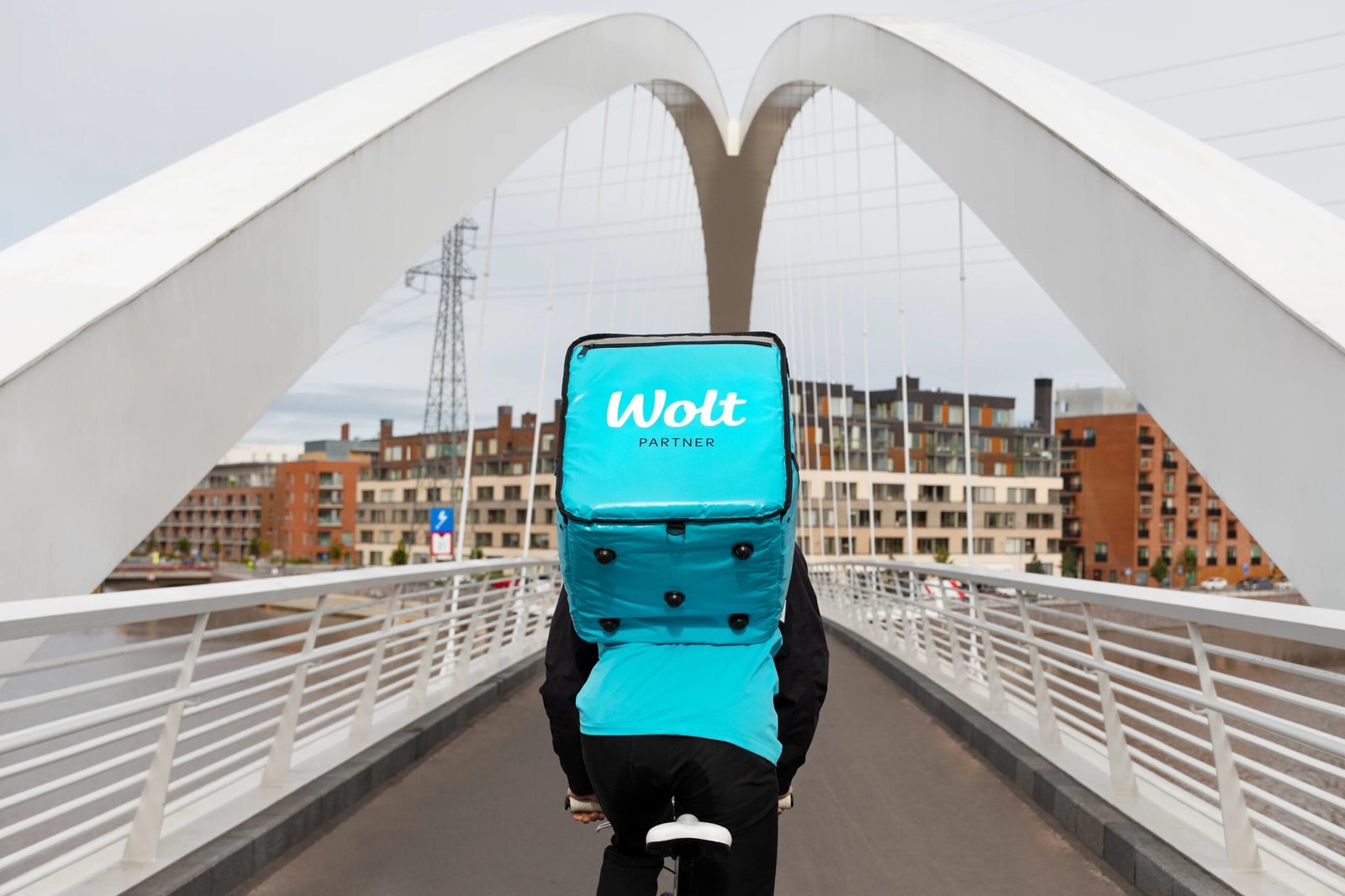
Lithuania is now being forced to confront that reality as it works to transpose the EU’s Platform Work Directive, legislation designed to improve conditions for those who work through app-based companies such as Bolt and Wolt, into national law by December 2 this year.
The Ministry of Social Security and Labour has drafted amendments to Lithuania’s Labour Code that would establish when a platform worker should be treated as an employee rather than an independent contractor.
Workers’ representatives broadly welcome the proposals – but one of the criteria that would trigger that classification strikes at a practice the platforms currently rely on, and they, alongside the Ministry of Economy and Innovation, are pushing back.
Read more: LRT.LT