Last year, the most significant threat to Latvia’s national security was invariably posed by Russian special services, and this year the level of Russian aggression will remain high and is expected to increase as Russian special services attempt to expand their activities and operations in Latvia, the State Security Service (VDD) said in its report.
The VDD noted that last year Russian special services organized a wide range of activities against Latvia: damaging actions against the country’s infrastructure, aggressive intelligence activities, and psychological operations to influence public opinion. Russia also continued its efforts to influence the mood of the Latvian public, in line with its interests, through propaganda and disinformation activities on the internet.
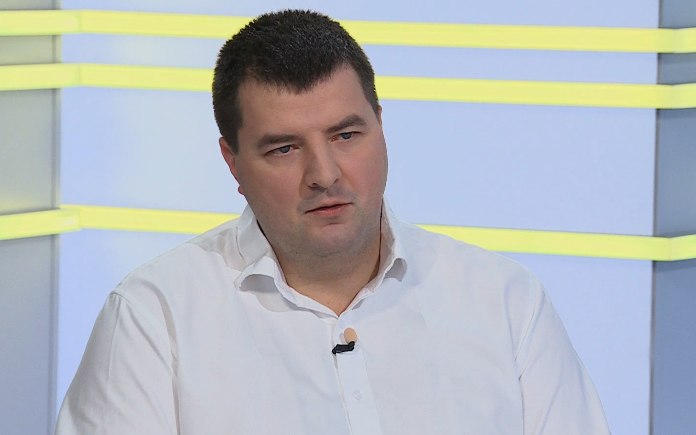
Russia has unsuccessfully sought “weak points” – topics that it can use to provoke disagreements, divisions and destabilize the internal situation, according to the VDD. Organizations and individuals linked to Russia or favorable to Russia also tried to fill the Latvian public space with messages that provoked the public, increased ethnic hatred and socio-economic tensions, and undermed faith in statehood, said Normunds Mezviets, head of the VDD.
The VDD admitted that Russian special services will implement both intelligence activities, malicious actions and psychological operations in Latvia. Russian special services will also use other opportunities to increase Russian influence in Latvia and to change public opinion in line with the interests of the aggressor state.
The VDD forecasts that in 2026 Russian special services will continue to expand their subversive activities against Latvia. The objectives of these activities will remain unchanged: undermining Latvia’s support for Ukraine, creating a sense of insecurity and mistrust in the public administration, and destroying various infrastructure facilities.
Russia is expected to continue its “intensive, systematic and aggressive intelligence activities against Latvia” in 2026, according to the VDD. Russian special services will operate against Latvia mainly from Russian territory, but recruiting Latvian citizens for long-term, covert intelligence gathering will remain the primary modus operandi of Russian special services.
A number of previously identified recruitment targets of the Russian special services will remain relevant: those employed in the state and local government sectors, as well as in critical infrastructure facilities, particularly those connected with the military or civil protection sector and the internal affairs system. Online tools will be increasingly used to recruit Latvian citizens, the VDD predicts.
Belarusian special services will continue their previous activities against Latvia this year, both in terms of intelligence gathering and active measures. The main threat to Latvian citizens will remain on Belarusian territory, while online recruitment risks will also persist. Belarusian special services will continue to cooperate closely with Russian special services, with some activities also in the interests of Belarus’ ally Russia, the report concludes.
Similar to Russian special services, Belarusian special services in 2025 were interested in obtaining intelligence on Latvia’s critical and military infrastructure, including the construction of the country’s eastern border infrastructure and NATO presence in Latvia, as well as other information of strategic importance, the VDD report noted.
Belarusian special services continued to collect important information on the Belarusian diaspora in Latvia, particularly on opponents of the regime of Alexander Lukashenko and persons close to them who have taken refuge in Latvia.
The regular travel of Latvian citizens to Belarus, facilitated by the unilateral introduction of a visa-free regime by Belarus, continued to create increased intelligence risks, the VDD assessed.
The VDD is one of Latvia’s three special services. The Constitutional Protection Bureau (SAB) was the first to publish its annual activity report last week.
Source: BNS
(Reproduction of BNS information in mass media and other websites without written consent of BNS is prohibited)