By Christof Rührmair, dpa.
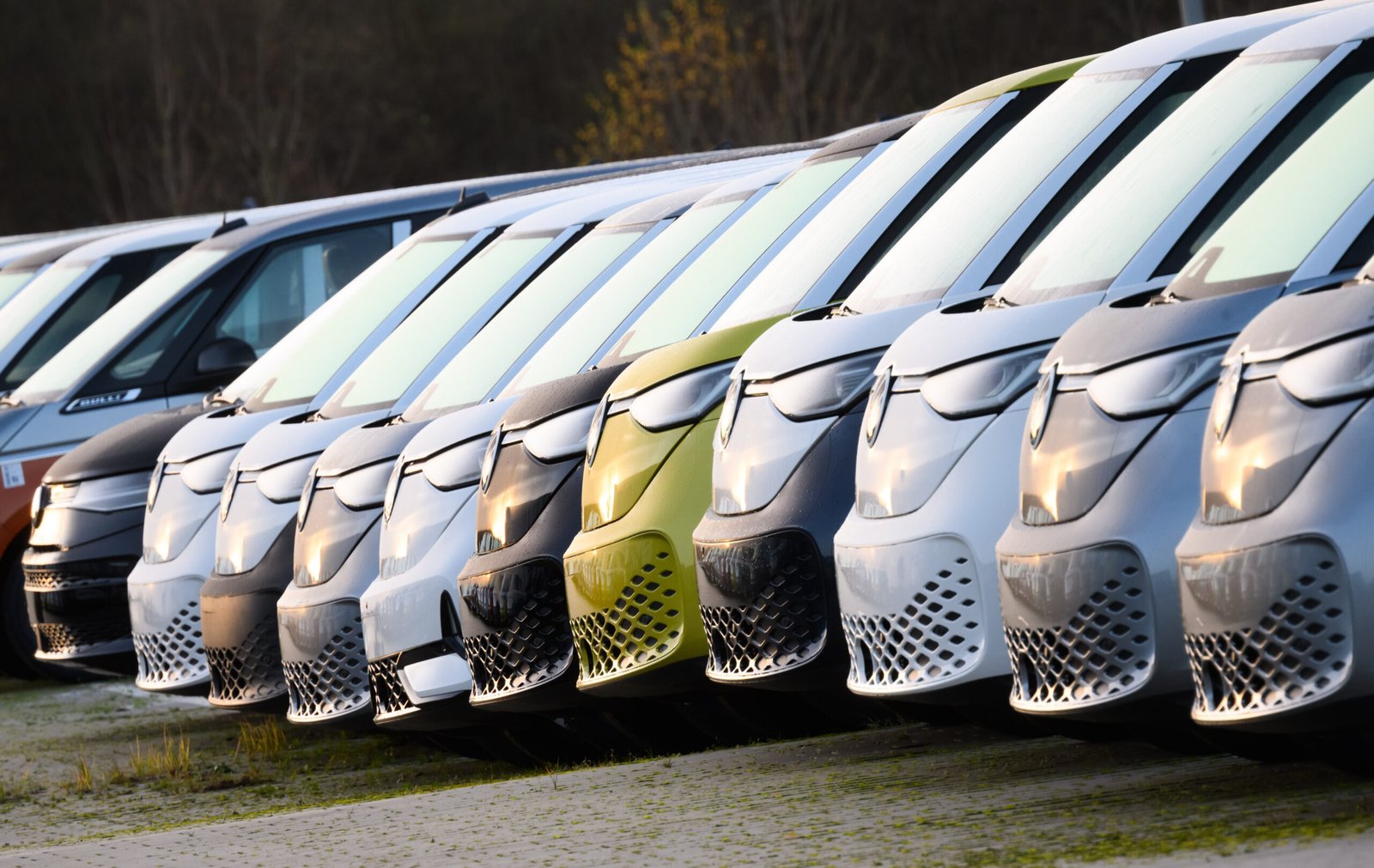
The price gap between electric cars and combustion vehicles is narrowing in Germany, according to calculations by industry expert Ferdinand Dudenhöffer.
When comparing the most popular models, the gap is now under €3,000 ($3,494), taking into account discounts and other pricing instruments, Dudenhöffer said. Just a year ago, it was more than double that amount.
The comparison is based on the average price of the 20 most popular models, including discounts. Therefore, the vehicles are not directly comparable one-to-one. However, the significant change in the gap clearly shows how the pricing situation is evolving.
“The electric car is making its way in Europe and Germany,” said Dudenhöffer. “The price development is a very decisive factor.”
The drivers of this change are, on the one hand, rising list prices and lower discounts for combustion vehicles, and on the other hand, falling list prices and higher discounts for electric cars, Dudenhöffer explained.
Specifically, the average discount levels for combustion vehicles and electric cars are currently practically equal at some 17%. As recently as January, the discount level for electric cars was still some three percentage points below that of combustion vehicles.
Falling prices, rising new registrations
The narrowing price gap is likely to have significantly contributed to the increased sales of electric cars in recent months — and could continue to do so in the coming months.
The surge in electric cars is benefiting primarily German manufacturers and their foreign subsidiaries, the latest new registration figures from the Federal Motor Transport Authority (KBA) for January to July show.
Volkswagen remains unchallenged at the top, with 61,600 new electric car registrations and a market share of almost 21%. Together with its subsidiaries Skoda, Audi and Seat, it occupies the first, third, fourth and fifth places in electric car registrations since the beginning of the year.
Including Porsche in 15th place, the Wolfsburg-based company achieves a market share of almost 46% in Germany for electric cars — amounting to nearly 136,000 cars in total.
The number two in the market at both brand and group level is BMW, whose core brand, with some 28,000 electric cars, is the only one to break into VW’s dominance at the top.
Including Mini, the Munich-based company reaches 12% or 35,500 cars. Following them are Mercedes, Hyundai and Opel with 17,400, 15,700 and some 10,000 vehicles, respectively.
Tesla has now slipped to ninth place and, according to the KBA statistics, had exactly 10,000 new registrations for the period in Germany. Looking at July alone, the company, which has fallen out of favour with many customers, only ranks 14th.
It is also interesting to see who performs better or worse in electric cars compared to the overall market: VW and its subsidiaries, as well as BMW, succeed in this, but not Mercedes or Opel.
Pressure from EU regulations
The current developments in discounts and new electric car registrations may also have been influenced by the fact that stricter carbon dioxide (CO2) fleet limit regulations have been in effect in the European Union since the beginning of the year. Many manufacturers need to sell more electric cars to meet the targets.