In August 2025, Latvian consumer prices decreased by 0.2 percent compared to the previous month, while the annual inflation rate (August 2025 against August 2024) reached 4.1 percent, up from 3.8 percent in July, according to data released by the Central Statistical Bureau (CSB).
The average consumer price level in the last 12 months, compared with the previous 12 months, rose by 3.2 percent in August.
The monthly decline was mainly driven by lower prices for transport-related goods and services (–0.2 percentage points), alcoholic beverages and tobacco (–0.1 percentage points), and food and non-alcoholic beverages (–0.1 percentage points). At the same time, higher prices for housing-related goods and services (+0.1 percentage points) and miscellaneous goods and services (+0.1 percentage points) contributed upward pressure.
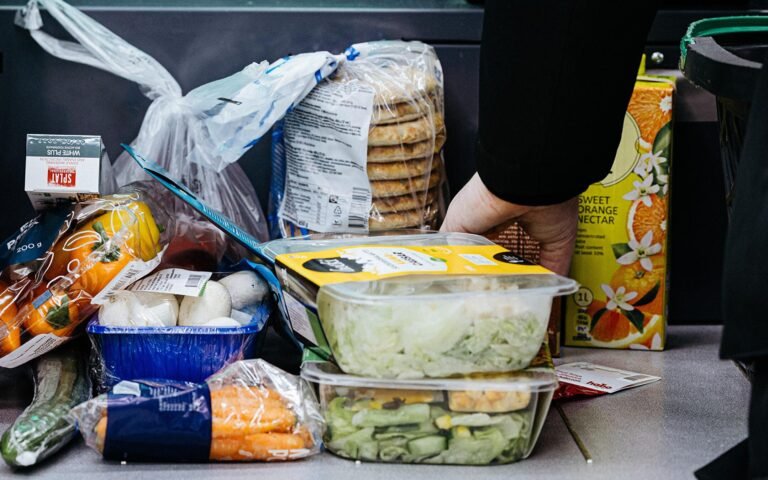
Food and beverages. Prices of food and non-alcoholic beverages fell by 0.3 percent in August. The largest downward impact came from fresh vegetables (–5.6 percent), potatoes (–10 percent), and fresh fruit (–2.3 percent). Discounts also reduced prices of dried, salted or smoked meat (–1.3 percent), milk (–2.3 percent), and coffee (–0.7 percent). Prices of fresh or chilled fish declined by 5.8 percent. In contrast, as promotions ended, prices of cheese and curd (+1.6 percent), bread (+0.9 percent), chocolate (+2.8 percent), and other milk products (+1.6 percent) increased. Prices of bakery products rose by 0.9 percent.
Alcohol and tobacco. Average prices of alcoholic beverages and tobacco products decreased by 1.9 percent. Alcoholic beverage prices dropped by 3.1 percent due to discounts on beer, spirits, and wine, while tobacco prices rose by 0.4 percent.
Housing. Prices of housing-related goods and services increased by 0.6 percent, driven mainly by higher electricity prices (+2.5 percent) and housing rentals (+3.1 percent). Heat energy prices fell by 0.5 percent.
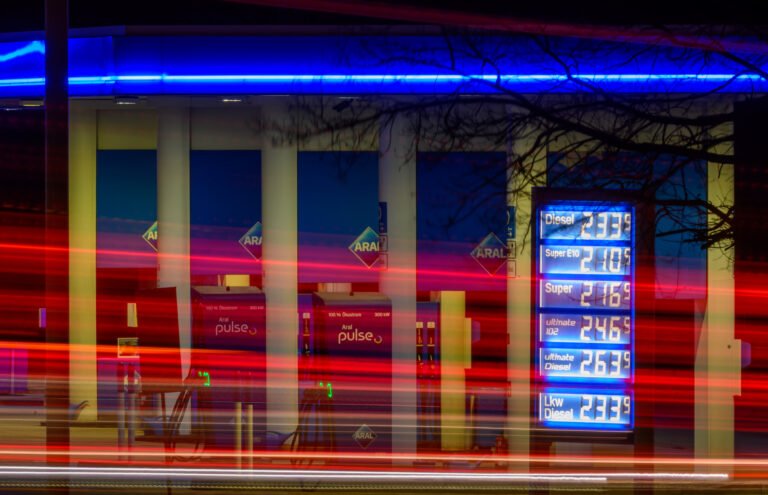
Transport. Transport-related prices declined by 1.4 percent, mainly due to cheaper fuel (–2.1 percent), including petrol (–3.2 percent), diesel (–1.5 percent), and auto gas (–1.1 percent). Airfares also decreased, while prices for road passenger transport and vehicle maintenance and repair went up.
Other categories. Prices for recreation and culture fell by 0.6 percent, largely due to discounts on pet food (–3.1 percent) and lower flower prices. Restaurant and hotel services rose by 1.3 percent, led by hotel services (+6 percent) and restaurant and café services (+0.6 percent). Miscellaneous goods and services increased by 2.2 percent, as the end of sales campaigns pushed up the cost of personal hygiene and beauty products.
Among other commodity groups, footwear and pharmaceutical products became cheaper, while bundled telecommunication services and garments rose in price.
Year-on-year developments
Compared to August 2024, consumer prices in August 2025 rose by 4.1 percent. The increase was mainly influenced by higher prices for:
-
food and non-alcoholic beverages (+2.0 percentage points),
-
housing-related goods and services (+0.6 percentage points),
-
alcoholic beverages and tobacco (+0.3 percentage points).
Within food and beverages, prices increased by 7.5 percent. Coffee (+34.2 percent) had the strongest upward impact, followed by poultry (+20.3 percent), chocolate (+29.9 percent), fresh fruit (+12.3 percent), eggs (+23.5 percent), butter (+20 percent), cheese and curd (+5.5 percent), milk products (+5.7 percent), fresh vegetables (+4.3 percent), bakery products (+3.7 percent), milk (+5.4 percent), beef (+28.8 percent), smoked and salted meat (+2.3 percent), and vegetable oil (+12.9 percent). Prices of fresh or chilled fish (–14.9 percent), potatoes (–5.5 percent), flour and other cereals (–5.2 percent), and sugar (–8.4 percent) declined.
Alcoholic beverages and tobacco products rose by 3.8 percent year-on-year, with tobacco up 9.7 percent. Alcoholic beverages increased slightly (+0.7 percent) due to higher spirits prices, while beer prices fell.
Housing-related prices rose by 3.6 percent, mainly due to electricity (+9.2 percent), natural gas (+10.9 percent), dwelling maintenance and repair services (+12 percent), refuse collection (+11 percent), housing rentals (+5.5 percent), sewage collection (+4.2 percent), water supply (+2.8 percent), and maintenance charges in multi-occupied buildings (+7.9 percent). Heat energy (–4.3 percent) and solid fuels (–3.9 percent) became cheaper.
Health care prices increased by 2.7 percent, reflecting higher costs for medical specialists, dental services, laboratory analyses, and X-rays. Pharmaceutical product prices declined.
Recreation and culture rose by 3.6 percent, driven by higher subscription fees, recreational services, and prices of newspapers and magazines.
Restaurant and hotel services increased by 5.2 percent. Catering services rose by 4.1 percent in restaurants and cafés, 6.3 percent in canteens, and 6.5 percent in fast-food outlets. Hotel services rose by 7.5 percent.
Miscellaneous goods and services increased by 3.8 percent, reflecting higher costs of personal hygiene and beauty products, retirement homes, hairdressing, and personal grooming services. Motor vehicle insurance became cheaper.
Other groups recorded notable increases in telecommunication services, education, footwear, vehicle-related services, and household cleaning and maintenance products. Fuels for transport (–0.7 percent) and second-hand motor cars became cheaper.
Compared to 2015, consumer prices in August 2025 were 51.4 percent higher, with goods up 49.1 percent and services up 55.8 percent.
Source: BNS
(Reproduction of BNS information in mass media and other websites without written consent of BNS is prohibited)