Latvia and Estonia have completed a project on developing technological solutions and production possibilities for sustainable aviation fuel (SAF) with the support of the European Commission (EC), LETA was told at the Latvian Transport Ministry.
The project ran for 16 months, during which the potential of Estonia and Latvia for SAF production was assessed, and recommendations for increasing SAF availability were prepared.
The aim of the project was to strengthen the competitiveness of both countries in the SAF sector in line with their agreed strategies and to provide recommendations to policymakers after the project’s conclusion.
According to the Transport Ministry, the main results of the project include an improved policy framework to enhance the competitiveness of Latvia and Estonia in the SAF sector, as well as increased knowledge and capacity among responsible authorities and stakeholders to expand the availability and use of SAF.
Transport Ministry State Secretary Andulis Zidkovs said that the EC’s support has been essential in strengthening transnational cooperation and developing the transport sector. “The aviation sector plays a key role in Latvia’s connectivity, economy and long-term competitiveness. The study confirmed that Latvia has the potential to establish SAF production facilities, which would provide an opportunity to improve energy security, boost economic growth and support long-term climate goals,” he noted.
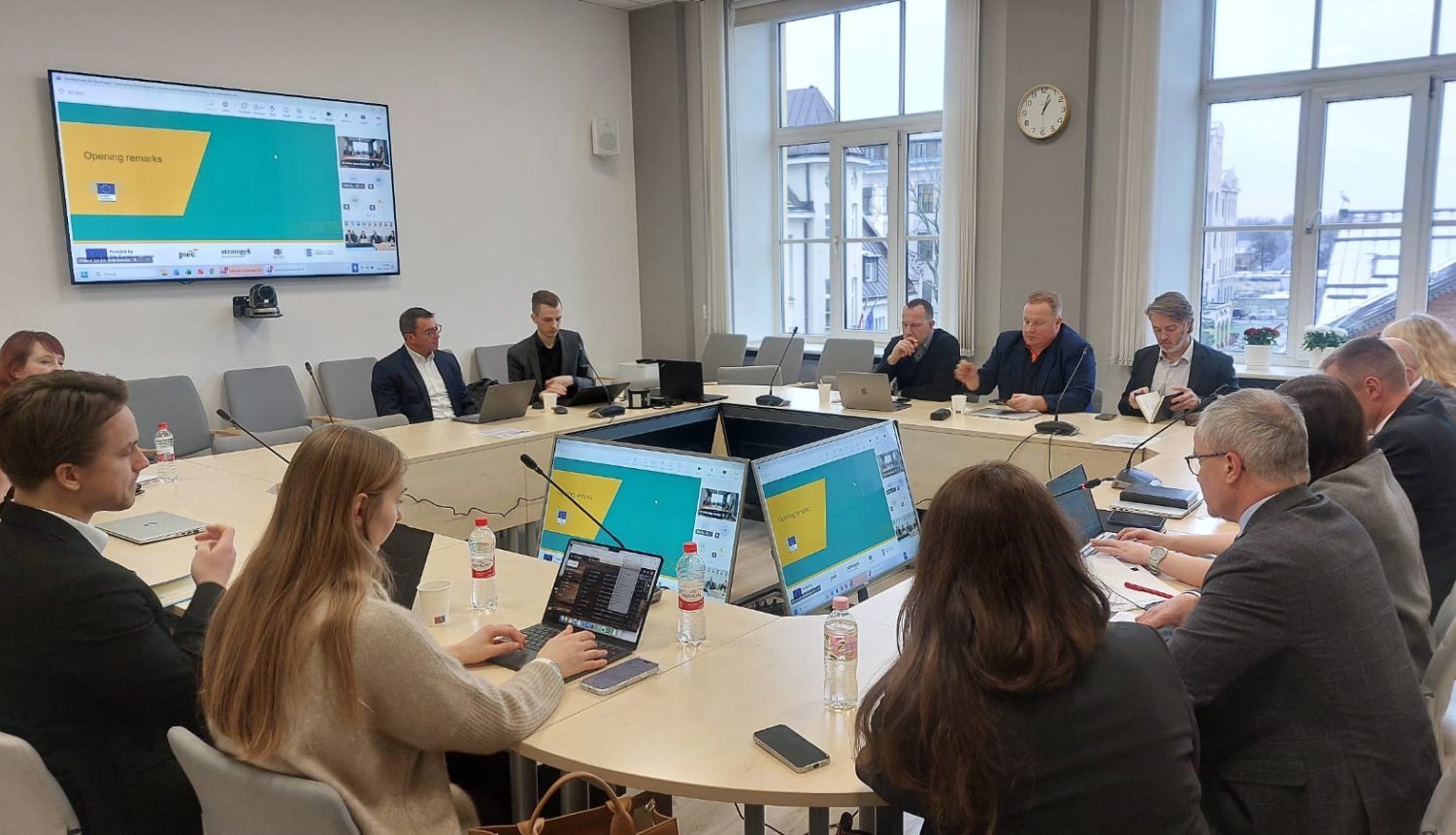
Meanwhile, representatives of PwC Strategy& said that both countries are well positioned to ensure the availability of SAF to meet the European Union’s increasing requirements, either through imports or domestic production. At the same time, the real work begins now, as the regulatory framework needs to be adapted and the basis for the successful use of SAF established.
The Transport Ministry noted that assessing the Baltic context was essential to ensure that the proposed solutions meet local needs while supporting European climate objectives. This collaboration between governments, industry and international partners demonstrates that a shared vision and coordinated action can accelerate the transition to sustainable aviation and unlock long-term opportunities for the region.
The project was carried out in cooperation with the EC Reform and Investment Task Force (SG REFORM), the Latvian Ministry of Transport and the Estonian Ministry of Climate. It was implemented by PwC EU Services, together with PwC network firms in Latvia and Estonia, as well as PwC’s global strategy consulting team, Strategy&.
Source: BNS
(Reproduction of BNS information in mass media and other websites without written consent of BNS is prohibited)