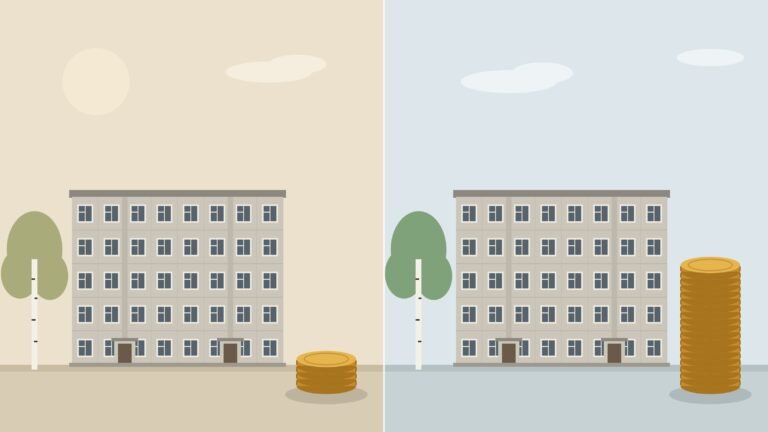
Over the past year, average apartment rents in Riga have increased by only 5–6%, while residential property sale prices have risen at roughly twice that pace. Today, only around one in five people in Latvia lives in rented accommodation, compared with more than half of the population in several European countries, according to real estate agency Latio. The company notes that rental prices in Latvia are largely constrained by tenants’ purchasing power. While the question of whether to rent or buy once involved comparing monthly rent with mortgage payments, more and more people now prefer purchasing a home—with the intention of potentially renting it out in the future rather than renting themselves. Latio’s latest Homebuyer Confidence Index* examines why rental prices are growing more slowly and whether tenants’ affordability is, in fact, setting the pace of the market.
Homebuyer Confidence Index – June Highlights
- 49 days – the average time required to sell a home at market value (48 in May; 48 in April; 50 in March; 47 in February; 48 in January; 47 in December and November);
- 18% of homes were sold within one month of being listed (19% in May; 20% in April; 18% in March; 20% in February and January; 19% in December and November);
- 22% of sellers asked prices significantly above market value (21% in May and April; 20% in March; 17% in February and January; 15% in December and November);
- 1% of buyers offered more than the advertised asking price (unchanged from May, April and March; 2% in February and January);
- 6% of residential transactions in Riga involved newly built homes sold on the primary market (7% in April; 14% in March; 10% in February; 8% in January; 7% in December; 8% in November)**.
In total, 3,530 apartments were available for purchase in Riga during June, with more than 64% located in newly built residential developments. Average transaction prices in Riga’s primary new-build market remained unchanged compared with May. The average price per square metre reached EUR 3,800 in new developments in the city centre, EUR 2,650 in suburban districts, and EUR 3,100 in renovated pre-war buildings located in central Riga. On an annual basis, residential property prices have increased by 10–14%.
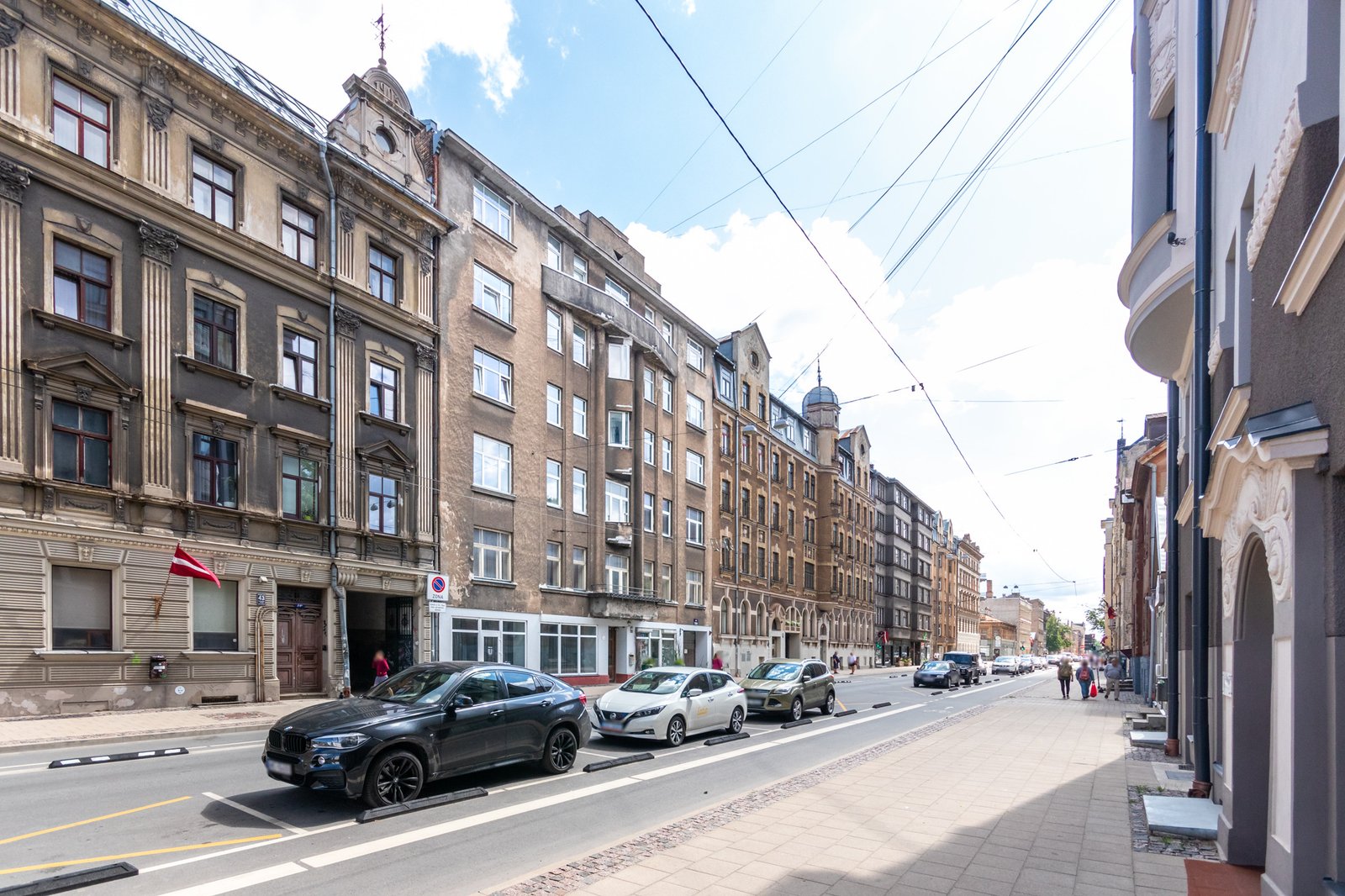
In the secondary market for new developments, average transaction prices exceeded EUR 3,300/m² in central Riga (+10% year-on-year) and EUR 2,330/m² in suburban districts (+14%). The market for Soviet-era apartment blocks also remained stable during June, with average prices of around EUR 1,180/m² in Riga’s neighbourhoods and EUR 1,560/m² in the city centre. Prices in this segment have likewise increased by more than 10% over the past year.
Rental Market Remains Stable Despite Rising Property Prices
During the first month of summer, 2,640 apartments were available for rent in Riga. Only 35% were located in Soviet-era apartment blocks, while the majority—1,718 apartments—were situated in new residential developments and renovated buildings across various parts of the capital.
According to Latio, rental growth remains moderate, although significant differences exist between neighbourhoods. During the first half of 2026, the monthly rent for a one-bedroom apartment in a new development averaged around EUR 540 in central Riga, EUR 500 in Imanta and EUR 460 in Āgenskalns. Two-bedroom apartments rented for approximately EUR 760 per month in the city centre, EUR 720 in Āgenskalns and EUR 610 in Teika.
Overall, however, rental prices continue to lag behind the growth in residential property values. According to Eurostat, between 2010 and 2024 house prices across the European Union increased by 53%, while rents rose by only 24%.
“The rental market is extremely sensitive—it is essentially a direct reflection of tenants’ purchasing power,” explains Ksenija Ijevleva, Market Analyst at Latio. “A landlord may wish to charge EUR 700 or EUR 800 per month, but if tenants in that segment are unwilling or unable to pay that amount, no transaction will take place. Listings show that renters in Riga have plenty of options to compare prices, quality, location and utility costs. As a result, rental prices reach their affordability ceiling much sooner than sale prices.”
She adds that very few landlords can afford to leave an apartment vacant while waiting for a tenant willing to pay the original asking rent, meaning most owners are forced to adapt to market conditions. Exceptions remain highly sought-after districts on both sides of the Daugava River, particularly Teika and Āgenskalns, where rental prices increasingly rival those in central Riga. More tenants are also considering Grīziņkalns and the Avotu neighbourhood, gradually pushing rents upward in those areas.
Homeownership Still Preferred in Latvia
While renting is common across much of Western Europe, Latvia continues to favour homeownership. Only around 20% of Latvia’s population lives in rented accommodation, compared with countries such as Germany, where renters account for more than half of the population. According to the latest Eurostat data, Germany was the only EU member state in 2025 where renting was more common than owner-occupation.
Latio experts believe that purchasing a home in Latvia remains driven not only by financial considerations but also by a strong desire for long-term security. Property ownership is widely viewed as a stable asset that can provide financial security in retirement and be passed on to future generations.
“If a person has sufficient income, the required down payment and access to mortgage financing, they will generally choose to buy rather than rent,” says Ijevleva. “Renting is more often seen as a temporary solution—for students, people at the beginning of their careers, those relocating to another city or anyone who values mobility.”
“There is no universal formula that says buying is always the smarter decision or that renting is simply throwing money away—or vice versa. Every situation should be evaluated individually, taking into account a person’s stage of life, how long they intend to stay in one place, their financial reserves, risk tolerance and financial discipline. At the same time, the behaviour of market participants clearly shows that homeownership remains both an emotional and financial safety net in Latvia. People are far more concerned about reaching retirement without owning a home than about making a purchase that later proves more difficult to rent out,” Ijevleva concludes.
*To provide greater transparency about developments in the residential property market, Latio publishes its Homebuyer Confidence Index every month, summarising the five key indicators that best reflect market conditions during the previous month.
**Based on transactions registered in the Latvian Land Register in May.