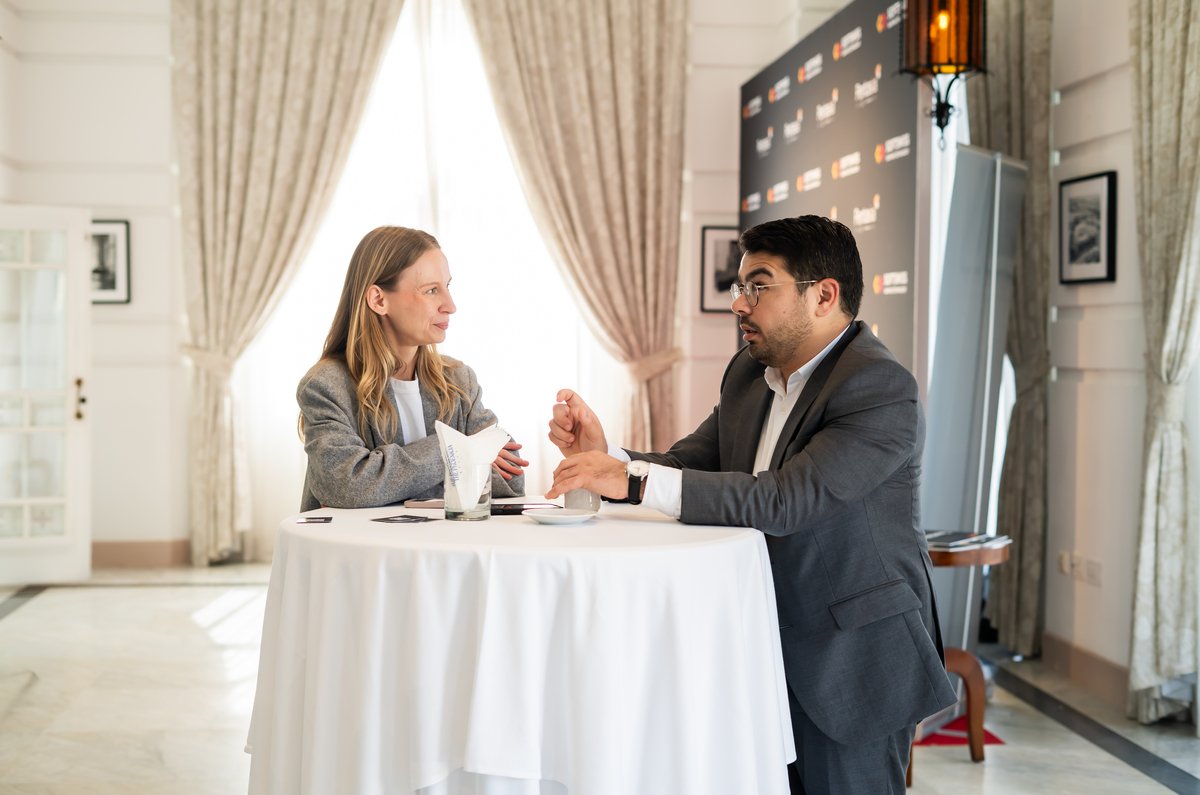
Companies are losing strong candidates not only due to talent shortages, but increasingly because their hiring processes fail to meet market expectations. This was the key conclusion from an expert discussion hosted by SOFTSWISS, an international tech brand with its partner development centres in Warsaw and Poznań. The session, held in collaboration with Pentasia and building on recent SOFTSWISS and Pentasia research, offers a cross-functional view of hiring challenges in the iGaming and broader tech industries.
The idea of a broken hiring journey reflects a broader pattern: companies are no longer losing talent to a single bad interview. The process breaks down across multiple stages. Weak role framing, ineffective screening, slow decisions, unclear stages, and poor onboarding can all drive strong candidates away. In this context, hiring quality reflects broader organisational maturity rather than only recruitment effectiveness.
Consequently, for employers, one of the clearest shifts in today’s landscape is that strong candidates now evaluate the quality of the overall hiring experience, as well as the offer. In many cases, talent loss begins with how roles are communicated to the market. Natalia Perkowska, Deputy Chief HR Officer at SOFTSWISS, explained, “Businesses need to rethink how they structure job descriptions, role adverts, and candidate conversations, focusing less on checklists and more on the problems candidates are expected to solve and the business impact they can make.”
The above-mentioned hiring process flaws actively drive talent away and shape how candidates perceive the company itself. The recruitment journey has become an early signal of how the business communicates, makes decisions, and supports people more broadly.
The business cost of a broken hiring journey becomes especially visible in technical roles, where companies often need people to contribute almost immediately. In these cases, errors in role definition and candidate selection can quickly turn into onboarding friction, delayed execution, and lost momentum for teams.
Sergey Kastukevich, Chief Technology Officer at SOFTSWISS, said, “When new people join the company, we often need their hands yesterday. That makes it very important to hire candidates who fully fit the role and can immediately start doing the work they were brought in to do. Presenting those business needs clearly upfront also helps filter for people who can onboard faster and begin contributing sooner.”
While specialist shortages remain a defining feature of the market, both globally and in the Polish tech landscape, they no longer fully explain why companies struggle to hire and retain strong talent. Increasingly, the real differentiator is the quality of the end-to-end talent journey as a competitive advantage.
The discussion is part of the SOFTSWISS Live Panel Series, a new initiative designed to foster open conversations about the key trends shaping the iGaming industry. The first session featured a representatives from Pentasia, one of the most recognised recruitment partners in the iGaming industry, and Conexus Leadership, a portfolio of world-class businesses specialising in recruitment, training, and advisory services for the iGaming sector.