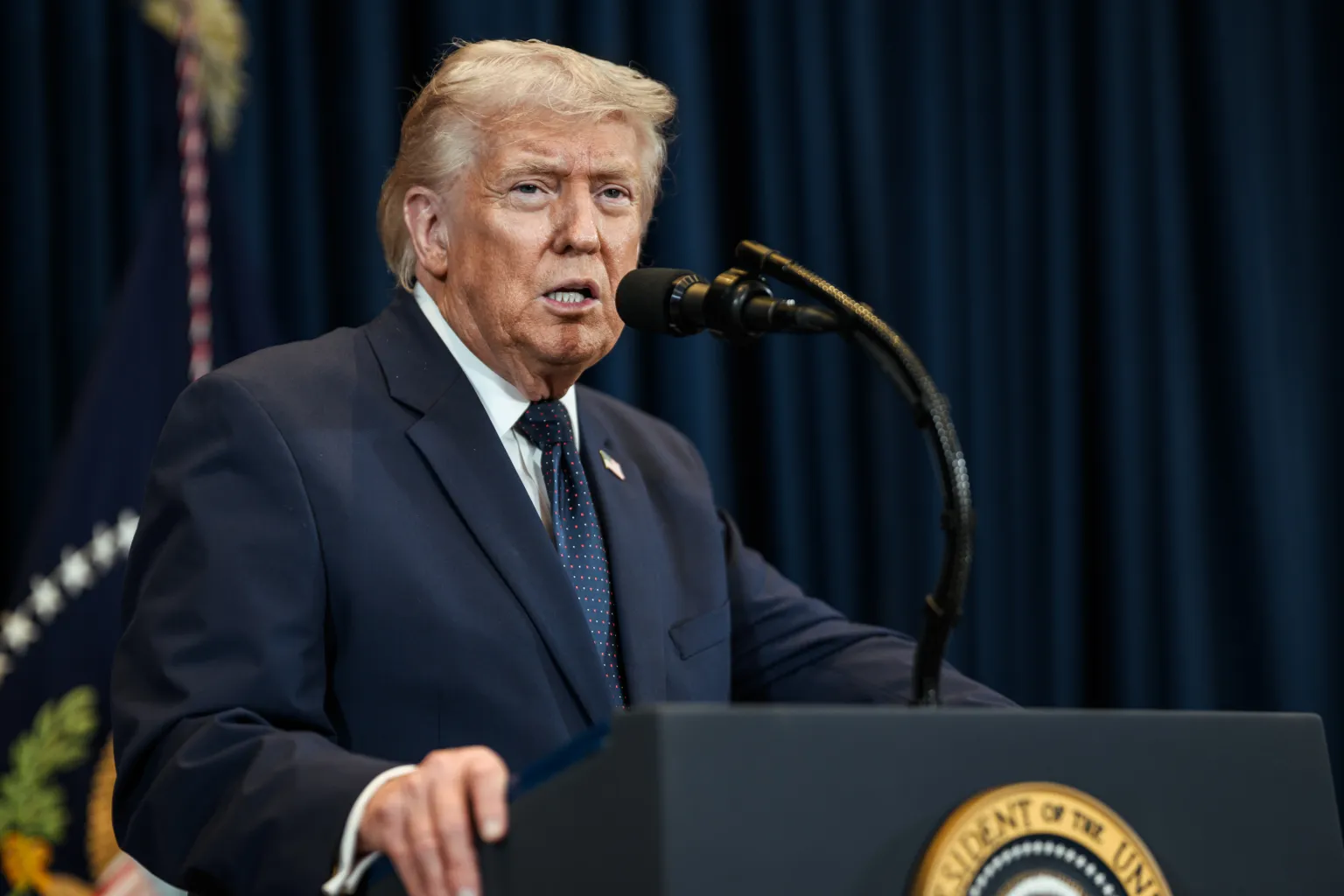
The escalating crisis around the Strait of Hormuz has triggered a wave of statements from world leaders over the past 24 hours, with U.S. President Donald Trump calling for an international coalition to secure the strategic waterway while other governments respond more cautiously.
The Strait of Hormuz, a narrow passage between the Persian Gulf and the Gulf of Oman, is one of the world’s most critical energy chokepoints. Roughly 20% of global oil shipments pass through the strait, making any disruption a major concern for global markets and security.
Trump calls for international military support
Posting on social media and speaking publicly, President Donald Trump urged multiple countries to assist the United States in reopening and securing the strait. He said Washington is working to assemble a coalition that would escort vessels and restore global oil flows.
Trump has warned that failure by allies to assist could have consequences for international security alliances, arguing that countries benefiting from Gulf energy should contribute militarily to keep shipping routes open.
He also suggested that several nations — including China, France, Japan, South Korea and the United Kingdom — should send naval forces to the region to ensure freedom of navigation.
The U.S. president has repeatedly emphasized that Washington intends to keep the strait open for global trade and hinted that further military action against Iranian targets remains possible if attacks on vessels continue.
Europe calls for de-escalation
European leaders have largely focused on restoring maritime security and avoiding a broader regional war.
French President Emmanuel Macron urged Iran to halt attacks in the region and called for the restoration of freedom of navigation through the Strait of Hormuz, describing it as a vital global shipping route.
The European Union is also discussing potential naval missions to help safeguard commercial shipping in the region, though details remain under consideration.
Allies respond cautiously
Despite Trump’s calls for a multinational naval coalition, several countries have reacted cautiously.
Japan’s Prime Minister Sanae Takaichi said Tokyo currently has no plans to dispatch naval escort missions to the strait, citing constitutional and legal constraints on overseas military deployments.
Other governments, including some NATO members, have expressed reluctance to commit forces immediately, preferring diplomatic or defensive approaches to stabilizing the situation.
Global energy markets on edge
The crisis has already affected global energy markets. Oil prices have surged as uncertainty grows about whether shipping through the strait can continue safely. The situation remains fluid, with some vessels still managing to transit the waterway while others remain stranded.
Analysts warn that a prolonged disruption could have serious economic consequences worldwide, potentially affecting energy prices, inflation and global trade.
A strategic chokepoint under pressure
The current tensions underscore the strategic importance of the Strait of Hormuz. The narrow maritime corridor connects major oil-producing states in the Persian Gulf to global markets, making it a focal point for geopolitical competition and military confrontation.
As diplomatic efforts continue and military forces reposition in the region, the coming days may determine whether the crisis escalates further or moves toward de-escalation.