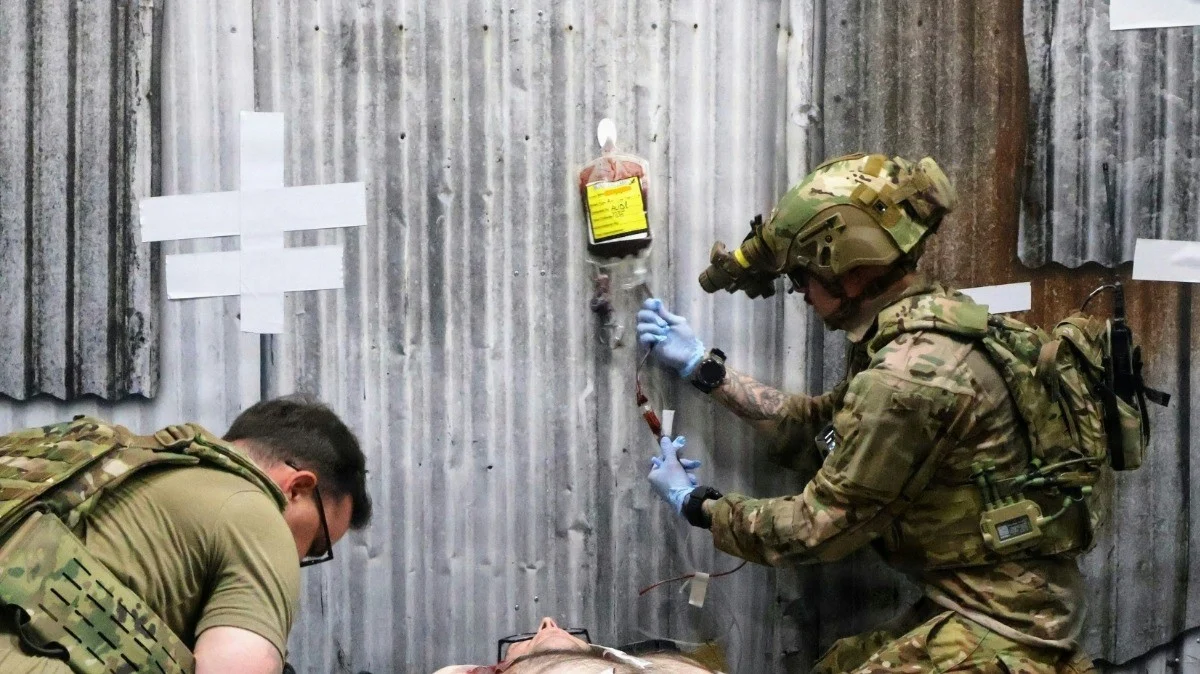
Combat wound care and management have come a long way over the last few decades. And while advances in trauma care have helped save countless lives on the battlefield, preventing infection and supporting recovery after the initial injury can be just as important.
In operational environments where evacuation may not be possible and antimicrobial resistance (AMR) is an increasing concern, there is a growing need for technologies that improve the way we treat wounds in the battlefield.
Innovators in NATO DIANA’s 2026 cohort are helping to meet that need by developing new approaches to wound care. From light-activated antimicrobial therapies to phage-based precision therapeutics and treatments, innovative solutions could revolutionise wound care for both civilian trauma patients and military personnel.
GutSee – Decoding the microbiome to treat infections
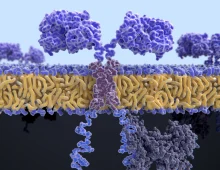
GutSee Health is a UK biotechnology company pioneering precision therapies for bacterial diseases. Its proprietary AI platform uses microbiome data to create precision treatments based on bacteriophage therapy. Phages are naturally occurring viruses that seek out and destroy specific bacteria without harming beneficial ones. This makes them useful for treating a variety of problems, from infected battlefield injuries to ongoing gut conditions like irritable bowel syndrome (IBS) and inflammatory bowel disease (IBD).
Although the science behind phage therapy is well established, developing these treatments remains fragmented, manual and focused on individual patients.
GutSee’s platform brings four key stages into one integrated process. First, it matches bacterial strains with the phages most likely to destroy them. Second, it predicts how bacteria may evolve and mutate, helping treatments stay ahead of emerging resistance. Third, it designs mixtures of several phages combined with beneficial bacteria to improve the overall bacterial balance rather than simply remove a harmful pathogen. Finally, it connects treatment design with manufacturing and clinical use. Together, these stages form a continuous learning cycle that improves treatment recommendations, accelerating therapy development by up to 98% compared with traditional laboratory-heavy processes.
GutSee is initially focusing on combat and civilian wound infections, working with NATO, governments and foundations, with support from the Ukrainian government. Longer term, GutSee plans to license its platform for further areas, including gut disorders and oncology.
LightOx – Using light to help control wound infections
LightOx is developing light-activated treatments that help kill harmful bacteria that colonise wounds. They produce a simple gel that can be applied directly to a wound. The gel is activated by a light, and the treatment helps kill harmful bacteria in a targeted way, right where the infection is developing.
In battlefield injuries, bacteria can quickly enter damaged tissue and cause infections that slow healing and increase the risk of complications, including sepsis, amputation, or even death. This is especially challenging when common antibiotics stop working against drug-resistant bacteria. LightOx’s approach offers a tool to help control infection in wounds while injured personnel await further treatment, while also fighting AMR.
Earlier this year, LightOx was recognised for its light-activated treatment for infected wounds, with an Outstanding Achievement Award at the Medilink Healthcare Business Awards 2026.

Deep Breathe – Helping medics detect hidden chest injuries faster
In battlefield trauma, injuries to the lungs or chest can be difficult to spot without hospital equipment, but failing to detect them can delay critical care. Deep Breathe, based in Canada, have developed a solution involving a portable ultrasound that frontline medical teams can use to detect serious chest and torso injuries faster, as well internal abdominal bleeding.
Deep Breathe combine ultrasound with AI that recognise signs of injuries such as a collapsed lung, bleeding in the chest, or bruising of lung tissue. Designed to work on phones or tablets and in places with limited or no connectivity, the technology could help medics make faster, more informed decisions closer to the point of injury, improving triage in remote areas and difficult environments.
By bringing this kind of support closer to the battlefield – at the point-of-injury – Deep Breathe’s solution could help improve diagnosis and treatment, avoiding unnecessary invasive procedures, and speeding up life-saving decisions when every second matters.
Biocellis – Instant detection of biological and chemical agents
After a Chemical, Biological, Radiological, and Nuclear (CBRN) attack, effective treatment requires a quick response and knowledge of the intoxicating agent. Biocellis is a company from France that has developed an ultra-sensitive diagnostic testing system that can rapidly detect and identify biological and chemical agents.
Traditionally, rapid testing methods sacrifice sensitivity and most sensitive tests do not provide results fast enough. Biocellis has patented a bioluminescence immunoassays platform that delivers laboratory grade sensitivity in less than 60 seconds. The technology uses a compact, portable format that is ideal for point-of-care and high-throughput screening.
Rapid and reliable detection helps clinicians treat patients with the most effective remedies available. Biocellis helps medical professionals understand what they are up against so that they can quickly provide the treatment and care that patients need.
These technologies are already filling some of the most urgent gaps in battlefield medicine. By giving frontline medical teams better tools to save lives and improve care when conditions are at their most challenging.
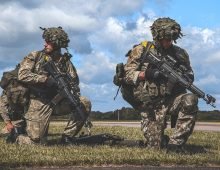
Through NATO DIANA, these innovators gain access to the tools and resources they need to take their promising, cutting-edge technologies from concept to real-world use. Through expertise from technical and defence mentors, opportunities to test their technologies, and access to operational exercises like Vigorous Warrior, innovators are supported by DIANA to ensure their solutions are not only technically strong, but deployable and relevant in the demanding environments where they are needed most.
Source: diana.nato.int